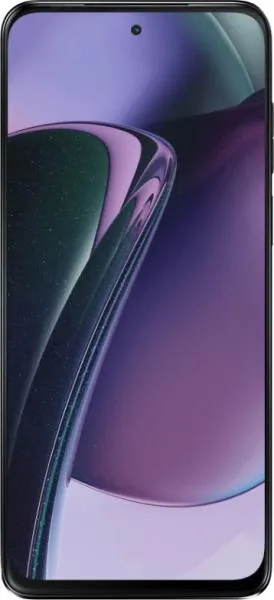
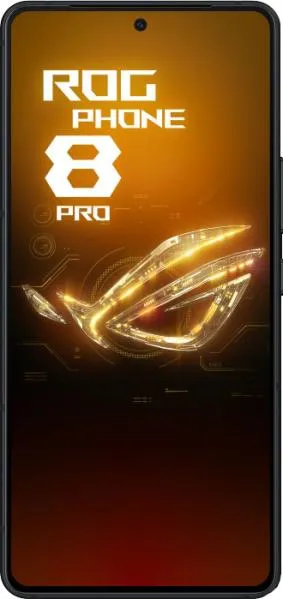
1. Specifications Comparison
| Feature | Motorola Moto G Stylus 5G (2023) | Asus ROG Phone 8 Pro | Practical Impact |
|---|---|---|---|
| Design | |||
| Dimensions (mm) | 162.8 x 73.8 x 9.2 | 163.8 x 76.8 x 8.9 | ROG Phone 8 Pro slightly larger and heavier. |
| Weight (g) | 202 | 225 | Noticeable weight difference; Moto G Stylus more pocketable. |
| Build | Missing | Missing | Build quality and materials unknown, impacting durability and premium feel. |
| Display | |||
| Display Type | IPS LCD, 120Hz | LTPO AMOLED, 1B colors, 165Hz | ROG Phone 8 Pro offers superior contrast, deeper blacks, smoother scrolling, and potentially better power efficiency due to LTPO. Moto G Stylus has a fast refresh rate but lacks the vibrant colors and HDR capabilities of the ROG Phone. |
| Display Size (inches) | 6.6 | 6.78 | ROG Phone has a slightly larger screen. |
| Resolution | 1080 x 2400 | 1080 x 2400 | Similar sharpness despite size difference due to similar pixel density. |
| Peak Brightness (nits) | Missing | 2500 | ROG Phone's significantly higher peak brightness ensures better outdoor visibility. Missing data for Moto G Stylus limits comparison. |
| Performance | |||
| Chipset | Snapdragon 6 Gen 1 | Snapdragon 8 Gen 3 | ROG Phone 8 Pro boasts significantly higher CPU and GPU performance, enabling smoother multitasking, demanding gaming, and faster app loading. |
| CPU | Octa-core (4x2.2 GHz Cortex-A78 & 4x1.8 GHz Cortex-A55) | Octa-core (1x3.3 GHz Cortex-X4 & 3x3.2 GHz Cortex-A720 & 2x3.0 GHz Cortex-A720 & 2x2.3 GHz Cortex-A520) | ROG Phone 8 Pro has a more powerful and efficient CPU architecture. |
| RAM | 8GB | 16GB/24GB | ROG Phone 8 Pro offers much more RAM, greatly benefiting heavy multitasking and gaming. |
| Camera | |||
| Main Camera | 50MP | 50MP Sony IMX890 | Sensor models differ. Sony IMX890 on ROG Phone generally indicates higher quality, potentially with better low-light performance. Practical image quality comparison requires real-world testing. |
| Ultrawide | 8MP | 13MP | ROG Phone has a higher resolution ultrawide camera. |
| Telephoto | None | 32MP | ROG Phone offers optical zoom capability, absent in the Moto G Stylus. |
| Video Recording | 4K@30fps | 8K@24fps | ROG Phone supports higher resolution video recording. |
| Battery | |||
| Capacity (mAh) | 5000 | 5500 | ROG Phone has a slightly larger battery capacity. Real-world battery life depends on usage and optimization. |
2. Key Differences Analysis
Motorola Moto G Stylus 5G (2023) Advantages:
- Stylus Support (Inferred): Likely includes a stylus for note-taking and drawing, a feature absent in the ROG Phone 8 Pro. This is inferred from the name, but stylus specs are missing.
- Potentially Lower Price: Belongs to a "medium price" range, likely making it significantly cheaper than the ROG Phone 8 Pro.
Asus ROG Phone 8 Pro Advantages:
- Flagship Performance: Superior processing power for demanding tasks and gaming.
- High-Quality Display: AMOLED with vibrant colors, HDR, higher refresh rate, and superior brightness.
- Versatile Camera System: Higher resolution ultrawide, telephoto lens with optical zoom, and 8K video recording.
- Larger Battery: Slightly larger capacity for potentially longer battery life.
3. User Profiles & Recommendations
Moto G Stylus 5G (2023): Budget-conscious users who prioritize note-taking, casual gaming, and general smartphone use.
Asus ROG Phone 8 Pro: Power users, gamers, and content creators who demand top-tier performance, a premium display, and advanced camera features.
4. Decision Framework
Key Questions:
- What is your budget? The ROG Phone 8 Pro is significantly more expensive.
- What are your primary use cases? Stylus use vs. demanding gaming/content creation.
- Do you prioritize display quality and performance? The ROG Phone 8 Pro excels in these areas.
My Choice: Asus ROG Phone 8 Pro
While lacking the potential stylus support of the Moto G Stylus, the ROG Phone 8 Pro is a clear winner for me. Its superior performance, stunning display, and versatile camera system make it a compelling device. I value a smooth and responsive user experience, especially for gaming and multitasking, and the ROG Phone 8 Pro's Snapdragon 8 Gen 3 and ample RAM deliver exactly that. The brighter, more vibrant AMOLED display is also a significant advantage for media consumption and outdoor use. Although more expensive, the substantial upgrade in features and performance justifies the price premium for my needs. I am willing to forgo the stylus for a significant boost in overall quality and capabilities.
