1. Specifications Comparison
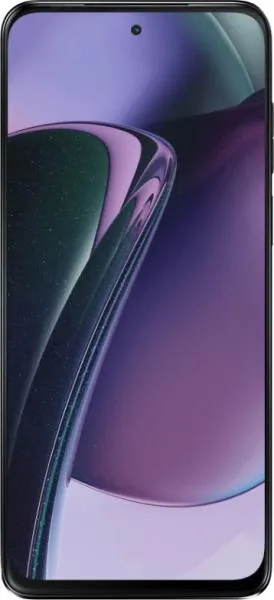
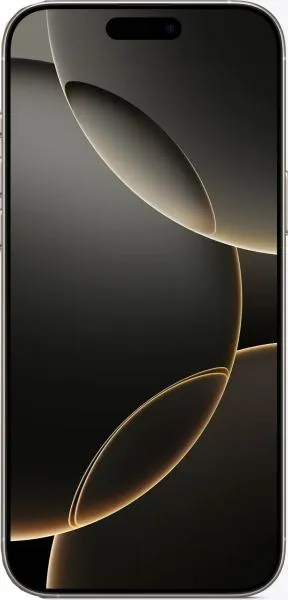
| Feature | Motorola Moto G Stylus 5G (2023) | Apple iPhone 16 Pro Max | Practical Impact |
|---|---|---|---|
| Design | |||
| Dimensions (mm) | 162.8 x 73.8 x 9.2 | 163 x 77.6 x 8.3 | iPhone 16 Pro Max is slightly larger and heavier, potentially less comfortable for one-handed use. |
| Weight (g) | 202 | 227 | Noticeable weight difference; Moto G Stylus is more pocketable. |
| Build Material | Not specified | Not specified | Build quality and durability are uncertain without material information. |
| Stylus | Yes | No | Moto G Stylus offers precise note-taking and drawing capabilities. |
| Display | |||
| Display Type | IPS LCD, 120Hz | LTPO Super Retina XDR OLED, 120Hz | iPhone boasts superior contrast, deeper blacks, and potentially better power efficiency due to LTPO. |
| Display Size (inches) | 6.6 | 6.9 | iPhone offers a larger screen for media consumption. |
| Resolution | 1080 x 2400 | 1320 x 2868 | iPhone has a sharper display with higher pixel density (460 vs 399 ppi). |
| Peak Brightness (nits) | Not specified | 2000 | iPhone's significantly higher peak brightness ensures excellent outdoor visibility. Missing Moto G Stylus data limits comparison. |
| HDR | No Dolby Vision | Dolby Vision | iPhone supports HDR content for a wider dynamic range and richer colors. |
| Performance | |||
| Chipset | Snapdragon 6 Gen 1 (4 nm) | Apple A18 Pro (3 nm) | A18 Pro expected to significantly outperform Snapdragon 6 Gen 1 in speed and efficiency. |
| CPU | Octa-core (4x2.2 GHz + 4x1.8 GHz) | Hexa-core (2x4.05 GHz + 4x2.42 GHz) | A18 Pro likely offers substantial performance gains, especially in demanding tasks. Clock speed comparison is insufficient without core architecture details. |
| GPU | Adreno 710 | Apple GPU (6-core) | Apple's custom GPU expected to provide superior graphics performance for gaming and other visually intensive applications. |
| RAM | 8GB | 8GB | RAM size is equal, but RAM management differences between iOS and Android can impact real-world performance. |
| Camera | |||
| Rear Camera | 50MP Main, 8MP Wide+Macro | 48MP Main, 48MP Ultrawide, 12MP Telephoto, ToF 3D | iPhone offers a more versatile camera system with telephoto capabilities and advanced depth sensing. |
| Front Camera | 16MP | 12MP | Megapixel count doesn't tell the whole story; image quality depends on sensor size, aperture, and processing. |
| Video Recording | 4K@30fps | Up to 4K@120fps with Dolby Vision | iPhone offers higher resolution and frame rate video recording with Dolby Vision HDR. |
| Battery | |||
| Capacity (mAh) | 5000 | 4685 | Moto G Stylus has a larger battery capacity, potentially offering longer battery life. However, real-world usage depends on software optimization. |
2. Key Differences Analysis
Motorola Moto G Stylus 5G (2023) Advantages:
- Lower Price: Significantly more affordable.
- Integrated Stylus: For note-taking and drawing.
- Potentially Longer Battery Life: Larger battery capacity.
Apple iPhone 16 Pro Max Advantages:
- Significantly Higher Performance: A18 Pro chip offers a major leap in processing power.
- Superior Display: OLED with HDR and higher brightness.
- More Versatile Camera System: Telephoto lens, advanced depth sensing, higher quality video recording.
- Premium Ecosystem: Seamless integration with other Apple devices and services.
3. User Profiles & Recommendations
Moto G Stylus 5G (2023): Budget-conscious users, students needing a stylus for note-taking, users prioritizing battery life.
iPhone 16 Pro Max: Users demanding top-tier performance, photographers and videographers, those invested in the Apple ecosystem, users prioritizing display quality.
4. Decision Framework
Key Questions for Buyers:
- What is your budget? The price difference is substantial.
- What are your primary use cases? (e.g., note-taking, gaming, photography).
- Which operating system do you prefer? Android or iOS.
Scenario-Based Recommendations:
- Limited Budget, Note-Taker: Moto G Stylus 5G
- Power User, Photographer: iPhone 16 Pro Max
- Casual User, Value Seeker: Moto G Stylus 5G
My Choice: Apple iPhone 16 Pro Max
While significantly more expensive, the iPhone 16 Pro Max offers a substantial upgrade in performance, display quality, and camera versatility. The A18 Pro chip's expected performance gains future-proof the device for demanding tasks and the superior camera system opens up creative possibilities. Although the Moto G Stylus offers a compelling value proposition with its stylus and potential battery life advantages, the iPhone's overall package is more appealing for my needs. I prioritize a smooth, powerful user experience, a brilliant display, and a top-tier camera, making the iPhone 16 Pro Max the better choice despite the higher cost. The integrated stylus of the Moto G is a nice feature, but not crucial for my usage.
