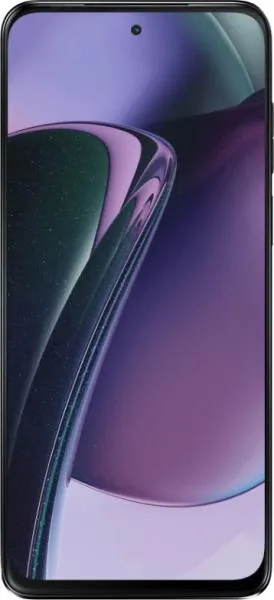
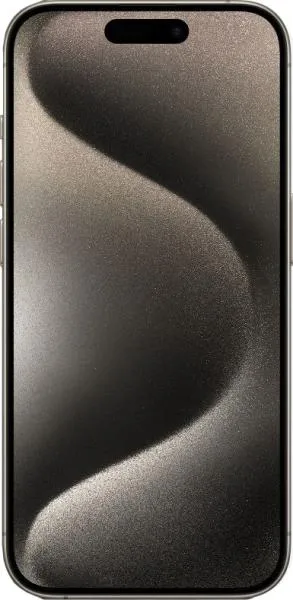
1. Specifications Comparison
| Feature | Motorola Moto G Stylus 5G (2023) | Apple iPhone 15 Pro | Practical Impact |
|---|---|---|---|
| Design | |||
| Dimensions (mm) | 162.8 x 73.8 x 9.2 | 146.6 x 70.6 x 8.3 | iPhone 15 Pro is significantly smaller and more pocketable. |
| Weight (g) | 202 | 187 | iPhone 15 Pro is noticeably lighter for comfortable one-handed use. |
| Build Material | Not specified | Titanium frame, textured matte glass back | iPhone's premium materials offer better durability and a more luxurious feel. Missing Motorola build details limit comparison. |
| Stylus | Yes | No | Moto G Stylus offers unique note-taking and drawing capabilities. |
| Display | |||
| Display Type | IPS LCD, 120Hz | LTPO Super Retina XDR OLED, 120Hz | iPhone's OLED delivers superior contrast, deeper blacks, and HDR support for richer visuals. |
| Size (inches) | 6.6 | 6.1 | Moto G Stylus offers a larger screen for media consumption, but iPhone's higher PPI results in sharper text and images. |
| Resolution | 1080 x 2400 | 1179 x 2556 | iPhone has a slightly higher resolution, contributing to its sharper display. |
| Peak Brightness | Not specified | 2000 nits (HBM) | iPhone's significantly higher peak brightness ensures excellent outdoor visibility. Missing Moto G brightness limits comparison. |
| Performance | |||
| Chipset | Snapdragon 6 Gen 1 (4 nm) | Apple A17 Pro (3 nm) | A17 Pro offers significantly faster processing and graphics performance for demanding tasks and gaming. |
| CPU | Octa-core (4x2.2 GHz Cortex-A78 & 4x1.8 GHz Cortex-A55) | Hexa-core (2x3.78 GHz + 4x2.11 GHz) | A17 Pro's architecture and higher clock speeds deliver a substantial performance advantage. |
| RAM | 8GB | 8GB | Both phones offer ample RAM for multitasking. |
| Camera | |||
| Main Camera | 50MP | 48MP | While Moto G has higher megapixels, iPhone's larger sensor and advanced image processing likely result in better image quality, especially in low light. |
| Ultrawide | 8MP | 12MP | iPhone's ultrawide offers higher resolution and likely better image quality. |
| Telephoto | No | 12MP (3x optical zoom) | iPhone offers optical zoom for capturing distant subjects without quality loss. |
| Video | 4K@30fps | 4K@60fps with HDR, Dolby Vision | iPhone supports higher resolution and frame rate video recording with HDR and Dolby Vision for superior video quality. |
| Battery | |||
| Capacity (mAh) | 5000 | 3274 | Moto G Stylus has significantly larger battery capacity, potentially offering longer battery life. |
| Charging Speed | Not specified | Not specified | Unable to compare charging speeds due to missing specifications. |
2. Key Differences Analysis
Motorola Moto G Stylus 5G (2023) Advantages:
- Larger Display: Better for media consumption and multitasking.
- Integrated Stylus: Enables note-taking, drawing, and precise screen interaction.
- Larger Battery: Potentially longer battery life.
- Lower Price: Offers a more budget-friendly option.
Apple iPhone 15 Pro Advantages:
- Superior Performance: Significantly faster processor and graphics for demanding tasks and gaming.
- Higher Quality Display: OLED technology delivers richer colors, deeper blacks, and higher brightness.
- Advanced Camera System: Better image quality, optical zoom, and superior video recording capabilities.
- Premium Build Quality: More durable and luxurious design.
3. User Profiles & Recommendations
Moto G Stylus 5G (2023): Ideal for budget-conscious users, students, or anyone who prioritizes a large screen, long battery life, and stylus functionality for note-taking or drawing.
Apple iPhone 15 Pro: Ideal for users who demand top-tier performance, a premium camera system, and the best possible display quality. Suitable for power users, content creators, and mobile gamers.
4. Decision Framework
Key Questions for Buyers:
- What is your budget? The Moto G Stylus is significantly more affordable.
- What are your primary use cases? Stylus use, media consumption, gaming, photography?
- Do you prioritize performance or battery life? iPhone 15 Pro excels in performance, while Moto G Stylus likely offers longer battery life.
My Choice: Apple iPhone 15 Pro
While the Moto G Stylus offers compelling features like the stylus and large battery at an attractive price, the iPhone 15 Pro's superior performance, display, and camera system make it the better choice for me. I prioritize a smooth and responsive user experience, high-quality visuals, and the ability to capture excellent photos and videos. The significant difference in processing power and overall camera capabilities outweighs the benefits of the Moto G Stylus for my personal needs. I am willing to pay the premium for the iPhone 15 Pro's significantly enhanced user experience.
