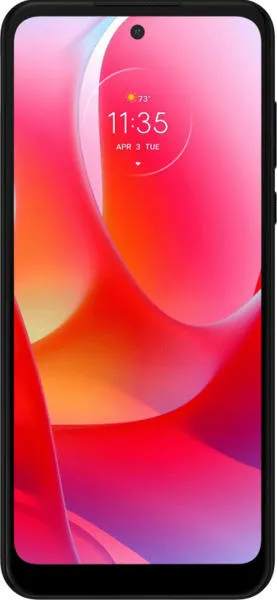
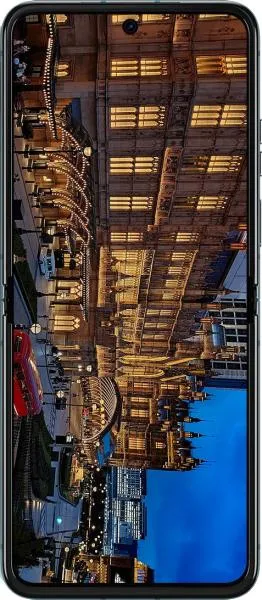
Motorola Moto G Power (2022) vs. Motorola Razr 40: A Deep Dive
Let's dissect the Motorola Moto G Power (2022) and the Motorola Razr 40, two phones targeting distinctly different user needs. I'll break down their specs, analyze their real-world performance, and guide you toward the device that best fits your lifestyle.
1. Specifications Breakdown
| Feature | Motorola Moto G Power (2022) | Motorola Razr 40 | Real-World Implications |
|---|---|---|---|
| Design | |||
| Form Factor | Standard | Foldable | Razr 40 offers compact portability when folded, expanding to a larger screen when needed. |
| Dimensions | 167.2 x 76.5 x 9.4 mm | 170.8 x 74 x 7.4 mm | Razr 40 is slightly taller but thinner and less bulky overall. |
| Weight | 203g | 188.6g | Razr 40 is noticeably lighter, enhancing one-handed use. |
| Display | |||
| Size | 6.5" | 6.9" | Razr 40 boasts a larger display for more immersive content consumption. |
| Resolution | 720 x 1600 | 1080 x 2640 | Razr 40 offers significantly sharper visuals and finer details. |
| Refresh Rate | 90Hz | 144Hz | Razr 40 provides smoother scrolling and animations, crucial for gaming and fast-paced content. |
| Brightness | 0 nits | 1400 nits | Razr 40's exceptional brightness ensures excellent outdoor visibility. |
| Performance | |||
| Chipset | Helio G37 (12nm) | Snapdragon 7 Gen 1 (4nm) | Razr 40 delivers drastically faster processing speeds, smoother multitasking, and superior gaming performance. |
| RAM | 4GB | 8GB/12GB | Razr 40's larger RAM handles demanding apps and multitasking with ease. |
| Antutu Score | 159,800 | 699,600 | Razr 40's benchmark scores reflect its substantial performance advantage. |
| Camera | |||
| Main Camera | 50MP, f/1.8 | 64MP, f/1.8 | Both offer high-resolution photography; differences in image quality will depend on processing and sensor specifics. |
| Selfie Camera | 8MP, f/2.0 | 32MP, f/2.45 | Razr 40's higher-resolution selfie camera captures more detailed self-portraits. |
| Video | 1080p@30fps | 4K@30fps | Razr 40 records video at a much higher resolution. |
| Battery Life | |||
| Capacity | 5000mAh | 4200mAh | G Power (2022) likely offers longer battery life due to its larger capacity, but real-world usage will vary. |
| Charging | 10W | 33W, Wireless 8W | Razr 40 supports significantly faster charging and wireless charging. |
2. Key Insights
The Moto G Power (2022) prioritizes battery life, offering extended usage on a single charge. It's a budget-friendly option for basic tasks like calling, texting, and browsing. However, its performance is limited, making it unsuitable for demanding applications or heavy multitasking.
The Razr 40, on the other hand, is a premium, foldable device emphasizing performance, a vibrant display, and fast charging. Its compact folded design adds a unique portability factor. However, the folding screen technology and higher-end components come at a cost, both literally and in terms of battery capacity.
3. User Profiles and Recommendations
Moto G Power (2022): Ideal for budget-conscious users who prioritize long battery life and primarily use their phones for essential communication and light browsing. Think students, seniors, or anyone seeking a reliable, no-frills device.
Razr 40: Perfect for tech-savvy individuals who value cutting-edge design, top-tier performance, and a premium user experience. This phone caters to users who demand the best in mobile technology and are willing to pay for it. The foldable design is a significant draw for those seeking both a large screen and enhanced portability.
4. Buying Decision Framework
- What's your budget? The G Power (2022) is significantly more affordable.
- What's your priority: battery life or performance? G Power excels in battery, Razr 40 in performance.
- Do you value a foldable design? This is unique to the Razr 40.
My Choice: Motorola Razr 40
While the Moto G Power (2022) has its merits, I would choose the Motorola Razr 40. The foldable form factor intrigues me, offering a unique blend of portability and a large screen experience. As a tech enthusiast, I prioritize performance and a fluid user interface, both of which the Razr 40 delivers in spades thanks to its powerful Snapdragon processor and high refresh rate display. While the battery capacity is smaller, the faster charging mitigates this somewhat. I'm willing to sacrifice a bit of battery life for the significant gains in performance, design innovation, and overall user experience. The Razr 40 feels like a device that pushes the boundaries of mobile technology, and that's something I find incredibly appealing.
