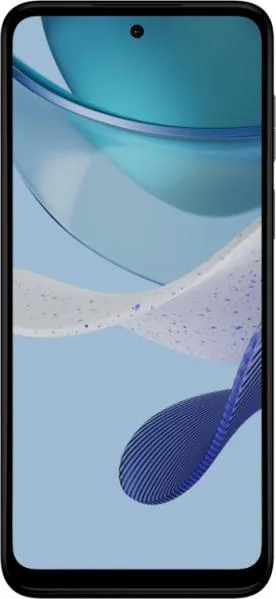

1. Specifications Comparison
| Feature | Motorola Moto G (2023) | ZTE nubia Z60 Ultra | Practical Impact |
|---|---|---|---|
| Design | |||
| Dimensions (mm) | 164 x 75 x 8.4 | 164 x 76.4 x 8.8 | Z60 Ultra slightly wider and thicker. Moto G likely feels more compact. |
| Weight (g) | 189 | 246 | Significant weight difference; Z60 Ultra will feel noticeably heavier in hand. |
| Build Material | Not specified | Not specified | Unable to compare build quality and durability without material information. |
| Display | |||
| Display Type | IPS LCD, 120Hz | AMOLED, 1B colors, 120Hz, HDR10 | Z60 Ultra offers superior contrast, deeper blacks, and more vibrant colors due to AMOLED technology. HDR10 provides a wider dynamic range for compatible content. |
| Display Size (inches) | 6.5 | 6.8 | Z60 Ultra has a slightly larger screen, providing more immersive viewing. |
| Resolution | 720 x 1600 | 1116 x 2480 | Z60 Ultra has a much sharper display with significantly higher pixel density (270 ppi vs 400 ppi). Text and images will be crisper on the Z60 Ultra. |
| Peak Brightness | Not specified | 1500 nits | Z60 Ultra's high peak brightness ensures excellent outdoor visibility. Missing data for Moto G prevents comparison. |
| Performance | |||
| Chipset | Snapdragon 480+ 5G | Snapdragon 8 Gen 3 | Z60 Ultra boasts a significantly more powerful processor, resulting in much faster performance for demanding tasks and gaming. |
| CPU | Octa-core (2x2.2 GHz & 6x1.8 GHz) | Octa-core (1x3.3 GHz & 3x3.2 GHz & 2x3.0 GHz & 2x2.3 GHz) | The Z60 Ultra's CPU architecture and clock speeds indicate a substantial performance advantage. |
| RAM | 4GB | 12GB (in specified version) | Z60 Ultra has considerably more RAM, enabling smoother multitasking and better handling of demanding applications. |
| GPU | Adreno 619 | Adreno 750 | Z60 Ultra's GPU provides a substantial boost in graphics performance, ideal for gaming and graphically intensive applications. |
| Camera | |||
| Rear Camera | 48MP Main + 2MP Macro | 54MP Main + 50MP Wide + 64MP Telephoto | Z60 Ultra boasts a triple camera system with versatile options including wide-angle and telephoto lenses. Moto G has a basic dual camera setup. |
| Front Camera | 8MP | 12MP | Z60 Ultra offers a higher resolution front camera for potentially better selfies. |
| Video Recording | 1080p@30fps | Up to 8K@30fps | Z60 Ultra offers superior video recording capabilities with much higher resolution and frame rate options. |
| Battery | |||
| Capacity | 5000 mAh | 6000 mAh | Z60 Ultra has a larger battery, likely resulting in longer battery life. |
| Charging Speed | Not specified | Not specified | Unable to compare charging speeds without specific data. |
2. Key Differences Analysis
Motorola Moto G (2023) Advantages:
- Price: Likely significantly cheaper based on "medium price" vs the Z60 Ultra's listed price.
- Compactness and Weight: Lighter and potentially more comfortable for one-handed use.
ZTE nubia Z60 Ultra Advantages:
- Superior Performance: Significantly faster processor, more RAM, and a better GPU.
- High-Quality Display: AMOLED technology, higher resolution, HDR10 support.
- Versatile Camera System: Triple camera with wide, telephoto, and high-resolution main sensor.
- Larger Battery: Potentially longer battery life.
- Advanced Connectivity: WiFi 7, Bluetooth 5.4, NFC.
3. User Profiles & Recommendations
Motorola Moto G (2023): Budget-conscious users who prioritize basic functionality (calling, texting, web browsing) and a lightweight, compact phone.
ZTE nubia Z60 Ultra: Users who demand top-tier performance, a premium display, advanced camera capabilities, and the latest connectivity options. Ideal for mobile gamers, content creators, and power users.
4. Decision Framework
Key Questions for Buyers:
- What is your budget? The Moto G is likely a much more affordable option.
- What are your primary use cases? For basic tasks, the Moto G may suffice. For demanding tasks and gaming, the Z60 Ultra is far superior.
- Do you prioritize display quality and camera features? The Z60 Ultra offers a substantial upgrade in both areas.
My Choice: ZTE nubia Z60 Ultra
While the price difference is significant, the ZTE nubia Z60 Ultra offers a massive leap in performance, display quality, camera versatility, and overall user experience. The Snapdragon 8 Gen 3, coupled with ample RAM and a high-refresh AMOLED screen, ensures a smooth and enjoyable experience for any task. The advanced camera system opens up creative possibilities, and the larger battery promises extended usage. The Moto G (2023) might be suitable for extremely budget-conscious users, but the Z60 Ultra's superior features justify the higher price for a user who values a premium smartphone experience. The lack of key specs like charging speed and build materials on the Moto G further solidifies the Z60 Ultra as the clear winner for me.
