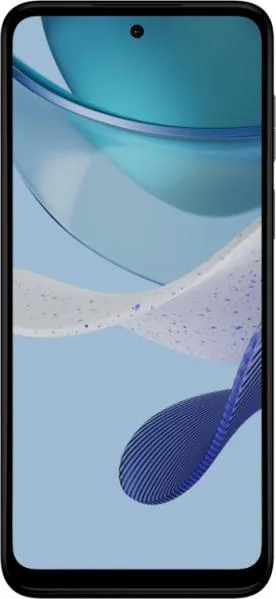
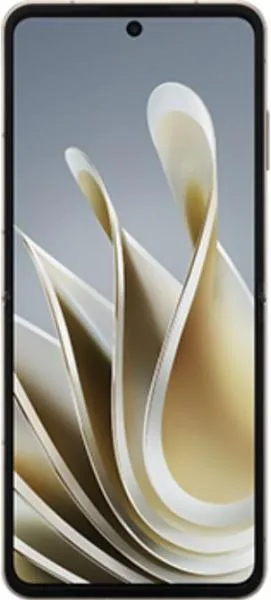
1. Specifications Comparison
| Feature | Motorola Moto G (2023) | ZTE nubia Flip | Practical Impact |
|---|---|---|---|
| Design | |||
| Dimensions (mm) | 164 x 75 x 8.4 | 170 x 75.5 x 7 | Nubia Flip is taller and slightly thinner when folded. Moto G is lighter. |
| Weight (g) | 189 | 214 | Moto G is noticeably lighter for daily use. |
| Foldable | No | Yes | Nubia Flip offers a compact folded form factor for portability. |
| Display | |||
| Size (inches) | 6.5 | 6.9 | Nubia Flip has a significantly larger screen area. |
| Resolution (px) | 720 x 1600 | 1188 x 2790 | Nubia Flip boasts much sharper visuals due to higher resolution. |
| Display Type | IPS LCD, 120Hz | Foldable OLED, 120Hz | Nubia Flip's OLED offers deeper blacks, richer colors, and potentially better power efficiency. |
| PPI | 270 | 439 | Nubia Flip's display is significantly sharper and more detailed. |
| Performance | |||
| Chipset | Snapdragon 480+ 5G (8 nm) | Snapdragon 7 Gen 1 (4 nm) | Nubia Flip offers significantly better performance and efficiency due to a more powerful and modern chipset. |
| CPU | Octa-core (2x2.2 GHz & 6x1.8 GHz) | Octa-core (1x2.4 GHz & 3x2.36 GHz & 4x1.8 GHz) | Nubia Flip will handle demanding tasks and multitasking much smoother. |
| RAM (GB) | 4 | 8 | Nubia Flip's larger RAM enables better multitasking and app performance. |
| Camera | |||
| Main Camera (MP) | 48 | 50 | Nubia Flip's main camera likely offers slightly better image quality, although sensor details are limited for both. |
| Selfie Camera (MP) | 8 | 16 | Nubia Flip has a much higher resolution selfie camera. |
| Video Recording | 1080p@30fps | Unspecified | Nubia mentions slow-motion up to 120fps and 4K video, indicating superior video capabilities compared to Moto G's basic 1080p@30fps. |
| Battery | |||
| Capacity (mAh) | 5000 | 4310 | Moto G has a larger battery capacity, potentially offering longer battery life. However, the Nubia Flip's more efficient processor might offset this difference. |
2. Key Differences Analysis
Motorola Moto G (2023) Advantages:
- Lower Price: Significantly more affordable.
- Larger Battery: Potentially longer battery life, though real-world usage will depend on the display and processor efficiency.
- Lighter Weight: Noticeably more comfortable for extended use.
ZTE nubia Flip Advantages:
- Significantly More Powerful: The Snapdragon 7 Gen 1 provides a vastly superior user experience for demanding tasks, gaming, and multitasking.
- Foldable Design: Offers a unique form factor, increased portability, and a larger screen in a compact device.
- Superior Display: Higher resolution, OLED technology, and richer colors result in a dramatically better viewing experience.
- Better Camera System: Higher resolution selfie camera, and likely better overall image quality and video recording capabilities.
3. User Profiles & Recommendations
Motorola Moto G (2023):
- Budget-conscious users: Prioritize affordability over premium features.
- Basic smartphone users: Primarily use their phone for calling, texting, social media, and light web browsing.
- Users who value battery life: A large battery capacity is a primary concern.
ZTE nubia Flip:
- Users seeking a premium experience: Value performance, display quality, and innovative design.
- Multitaskers and power users: Need a phone that can handle demanding apps and games smoothly.
- Users who value portability and a large screen: The foldable design offers the best of both worlds.
- Content creators and social media enthusiasts: Benefit from the improved camera system and larger display.
4. Decision Framework
Key Questions for Buyers:
- What is your budget? The Moto G is significantly cheaper.
- What are your primary smartphone usage patterns? Basic use vs. demanding tasks/gaming.
- Do you prioritize portability and a large screen or a longer battery life in a traditional form factor?
My Choice: ZTE nubia Flip
While the Motorola Moto G (2023) offers excellent value for its price, the ZTE nubia Flip is the clear winner for me. The significantly improved performance, stunning display, innovative foldable design, and superior camera capabilities outweigh the price difference and slightly smaller battery. The Snapdragon 7 Gen 1 alone makes a huge difference in everyday usability and future-proofing. While the Moto G is a good budget option, the Nubia Flip offers a truly modern smartphone experience that I find more appealing. The foldable form factor, while potentially introducing durability concerns, provides a unique advantage in portability and screen real-estate that aligns with my personal preferences.
