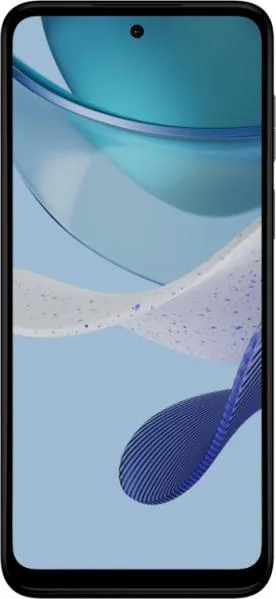
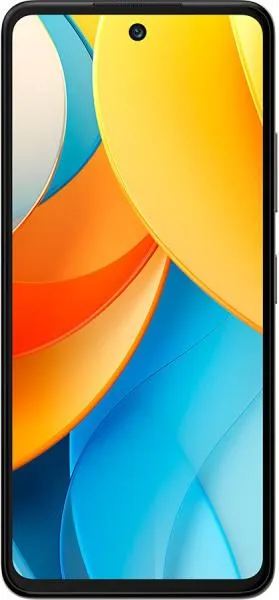
1. Specifications Comparison
| Feature | Motorola Moto G (2023) | ZTE Blade V60 Design | Practical Impact |
|---|---|---|---|
| Design | |||
| Dimensions (mm) | 164 x 75 x 8.4 | 164.2 x 75.3 x 8.6 | Nearly identical dimensions; negligible real-world difference in size. |
| Weight (g) | 189 | 198 | The Moto G is slightly lighter, potentially more comfortable for extended use. |
| NFC | No | Yes | ZTE allows for contactless payments and data transfer, a significant advantage for many users. |
| Display | |||
| Size (inches) | 6.5 | 6.6 | ZTE offers slightly larger screen real estate. |
| Resolution (px) | 720 x 1600 | 720 x 1612 | Virtually identical resolutions; negligible difference in sharpness. |
| Refresh Rate (Hz) | 120 | 90 | Moto G's higher refresh rate provides smoother scrolling and animations, enhancing the user experience. |
| Display Type | IPS LCD | IPS LCD | Both use IPS LCD, offering good color reproduction and viewing angles but lacking the deep blacks of OLED. |
| Performance | |||
| Chipset | Snapdragon 480+ 5G | Unisoc T606 | Snapdragon 480+ generally offers better performance and efficiency than the Unisoc T606. |
| CPU | Octa-core (2x2.2 GHz & 6x1.8 GHz) | Octa-core (2x1.6 GHz & 6x1.6 GHz) | Moto G's CPU has higher clock speeds, resulting in faster app loading and multitasking. |
| GPU | Adreno 619 | Mali-G57 MP1 | Adreno 619 generally delivers better gaming performance than the Mali-G57 MP1. |
| RAM (GB) | 4 | 4/6 | ZTE offers a 6GB RAM option, potentially improving multitasking performance. However, the compared model has 4GB. |
| Storage (GB) | 128 | 256 | ZTE offers significantly more storage for media and applications. |
| Camera | |||
| Main Camera (MP) | 48 | 50 | While ZTE has a higher megapixel count, image quality depends on factors beyond resolution; sensor quality and processing are unknown. |
| Front Camera (MP) | 8 | 8 | Identical resolution; no clear advantage without further details on sensor and lens quality. |
| Battery | |||
| Capacity (mAh) | 5000 | 5000 | Identical battery capacity; real-world battery life depends on optimization and usage. |
2. Key Differences Analysis
Motorola Moto G (2023) Advantages:
- Superior Performance: The Snapdragon 480+ and Adreno 619 provide a noticeable performance advantage for demanding tasks and gaming.
- Smoother Display: The 120Hz refresh rate provides a more fluid user experience.
- Slightly Lighter: Offers marginally better portability.
ZTE Blade V60 Design Advantages:
- NFC Capability: Enables contactless payments and data transfer.
- Larger Storage: 256GB provides ample space for apps and media.
- Lower Price: Positioned in a lower price bracket.
- More Color Options: Offers greater aesthetic choice.
3. User Profiles & Recommendations
Motorola Moto G (2023): Ideal for users who prioritize performance and a smooth display experience for tasks like gaming or media consumption. Good for those on a tighter budget but still desire a responsive phone.
ZTE Blade V60 Design: Suitable for users who prioritize value and require ample storage. The inclusion of NFC is a major benefit for those who use contactless payments. Good for budget-conscious buyers who don't heavily use demanding applications.
4. Decision Framework
Key Questions for Buyers:
- Is NFC a necessity? If contactless payments are crucial, the ZTE is the only option.
- What's your budget? The ZTE is generally more affordable.
- Is performance a priority? The Moto G offers a noticeable performance advantage.
Scenario-Based Recommendations:
- Limited Budget, Needs NFC: ZTE Blade V60 Design
- Prioritizes Performance, Moderate Budget: Motorola Moto G (2023)
- Heavy Multitasker, Needs Lots of Storage: ZTE Blade V60 Design (6GB RAM version, if available)
My Choice: Motorola Moto G (2023)
While the ZTE Blade V60 Design offers NFC and more storage at a lower price, I would choose the Motorola Moto G (2023). The performance difference due to the superior processor and higher refresh rate display significantly impacts daily use. I value a smooth and responsive experience, which the Moto G provides. The lack of NFC is a drawback, but for me, the performance benefits outweigh this inconvenience. The slightly higher price is justifiable for the better overall user experience. Finally, 128GB of storage is sufficient for my needs.
