1. Specifications Comparison
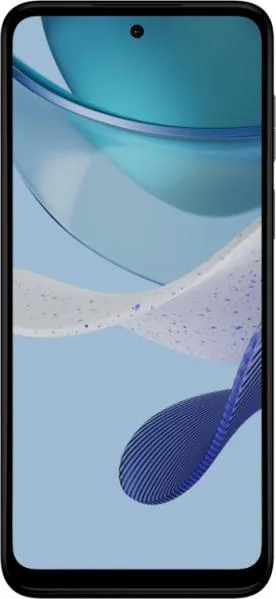
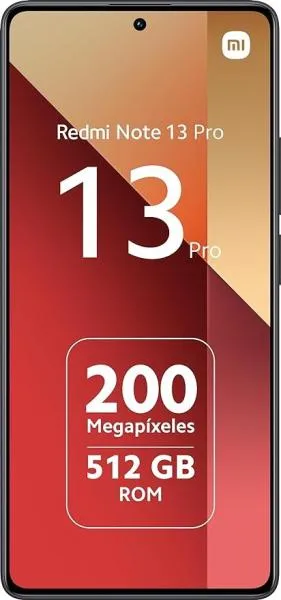
| Feature | Motorola Moto G (2023) | Xiaomi Redmi Note 13 Pro 4G | Practical Impact |
|---|---|---|---|
| Design | |||
| Dimensions (mm) | 164 x 75 x 8.4 | 161.1 x 75 x 8 | Redmi is slightly smaller and thinner. |
| Weight (g) | 189 | 188 | Negligible weight difference. |
| Build Material | Not specified | Not specified | Cannot compare build quality. |
| Display | |||
| Display Type | IPS LCD, 120Hz | AMOLED, 1B colors, 120Hz | Redmi offers superior contrast, deeper blacks, and potentially brighter highlights due to AMOLED technology. |
| Display Size (inches) | 6.5 | 6.67 | Redmi has a slightly larger screen. |
| Resolution | 720 x 1600 | 1080 x 2400 | Redmi has a significantly sharper display (395 ppi vs 270 ppi), resulting in clearer text and images. |
| Refresh Rate (Hz) | 120 | 120 | Both offer smooth scrolling and animations. |
| Performance | |||
| Chipset | Snapdragon 480+ 5G | MediaTek Helio G99 Ultra | Redmi likely has better CPU performance due to the more powerful Cortex-A76 cores in the Helio G99. |
| CPU | Octa-core (2x2.2 GHz Kryo 460 & 6x1.8 GHz Kryo 460) | Octa-core (2x2.2 GHz Cortex-A76 & 6x2.0 GHz Cortex-A55) | Redmi should handle demanding tasks better. |
| GPU | Adreno 619 | Mali-G57 MC2 | GPU comparison is difficult without benchmarks, but both are likely sufficient for casual gaming. |
| RAM | 4GB | 8GB/12GB | Redmi offers more RAM, enabling better multitasking and smoother performance with multiple apps. |
| Storage | 128GB | 256GB/512GB | Redmi offers significantly more storage. |
| Camera | |||
| Main Camera | 48MP | 200MP | Redmi boasts a much higher resolution main sensor. Real-world image quality depends on processing, but Redmi has the potential for more detailed photos. |
| Front Camera | 8MP | 16MP | Redmi has a higher resolution selfie camera. |
| Video Recording | 1080p@30fps | 1080p@30/60fps | Redmi offers more video recording options. |
| Camera Features | Digital image stabilization | Optical image stabilization (OIS) | Redmi's OIS will result in significantly smoother videos and potentially better low-light photos. |
| Battery | |||
| Capacity (mAh) | 5000 | 5000 | Similar battery capacity. Actual battery life depends on usage and optimization. |
| Other | |||
| NFC | No | Yes | Redmi supports contactless payments and data transfer. |
| Operating System | Android 13 | Android 13 (upgradable to 16) | Redmi has a longer software update commitment. |
2. Key Differences Analysis
Motorola Moto G (2023) Advantages:
- 5G Connectivity: Offers faster mobile data speeds in areas with 5G coverage.
Xiaomi Redmi Note 13 Pro 4G Advantages:
- Superior Display: AMOLED technology provides better contrast, colors, and viewing angles. Higher resolution delivers sharper visuals.
- Enhanced Performance: More powerful processor and significantly more RAM enable smoother multitasking and better handling of demanding tasks.
- Advanced Camera System: Higher resolution sensors, OIS, and more video recording options.
- Larger Storage: More space for apps, photos, and videos.
- NFC: Enables contactless payments and other NFC functionalities.
- Longer Software Support: Guaranteed updates to Android 16.
3. User Profiles & Recommendations
Motorola Moto G (2023): Budget-conscious users who prioritize 5G connectivity and basic smartphone functionality.
Xiaomi Redmi Note 13 Pro 4G: Users who value a high-quality display, strong performance, versatile camera, and longer software support. Suitable for gaming, photography enthusiasts, and power users.
4. Decision Framework
Key Questions for Buyers:
- Is 5G connectivity crucial? If yes, the Moto G is the only option.
- What is your budget? Consider the price difference between the two phones and your spending limit.
- What are your primary smartphone usage patterns? (e.g., social media, gaming, photography)
My Choice: Xiaomi Redmi Note 13 Pro 4G
While the Motorola Moto G (2023) offers 5G, the Redmi Note 13 Pro 4G provides a significantly better overall user experience. The superior display, performance, camera, and longer software support outweigh the benefits of 5G for my needs. I prioritize a smooth and enjoyable daily usage experience, and the Redmi delivers on those aspects. The lack of 5G is a trade-off I'm willing to make for the noticeable improvements in other areas. The price difference, depending on the storage configuration chosen, is justifiable considering the substantial upgrades the Redmi offers.
