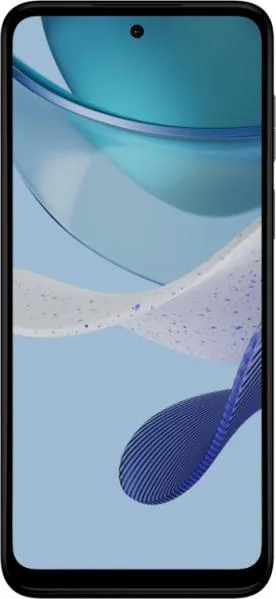
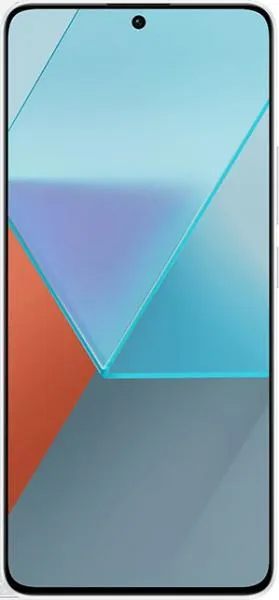
1. Specifications Comparison
| Feature | Motorola Moto G (2023) | Xiaomi Redmi Note 13 Pro | Practical Impact |
|---|---|---|---|
| Design | |||
| Dimensions (mm) | 164 x 75 x 8.4 | 161.2 x 74.2 x 8 | Redmi Note 13 Pro is slightly smaller and thinner. |
| Weight (g) | 189 | 187 | Negligible weight difference. |
| Build Materials | Not specified | Not specified | Cannot compare build quality. |
| Display | |||
| Display Type | IPS LCD, 120Hz | AMOLED, 120Hz, Dolby Vision | Redmi Note 13 Pro offers significantly better contrast, colors, and HDR support with its AMOLED display. |
| Display Size (inches) | 6.5 | 6.67 | Redmi Note 13 Pro has a slightly larger display. |
| Resolution | 720 x 1600 | 1220 x 2712 | Redmi Note 13 Pro has a much sharper and more detailed display. |
| PPI | 270 | 446 | Text and images will be significantly clearer on the Redmi Note 13 Pro. |
| Peak Brightness | Not specified | 1800 nits | Redmi Note 13 Pro should be much more readable in sunlight. Missing Moto G brightness limits comparison. |
| Performance | |||
| Chipset | Snapdragon 480+ 5G | Snapdragon 7s Gen 2 | Redmi Note 13 Pro has a significantly more powerful processor, leading to smoother multitasking and better gaming performance. |
| CPU | Octa-core (2x2.2 GHz Kryo 460 & 6x1.8 GHz Kryo 460) | Octa-core (4x2.4 GHz Cortex-A78 & 4x1.95 GHz Cortex-A55) | Redmi Note 13 Pro's CPU architecture is more modern and efficient, resulting in better performance. |
| GPU | Adreno 619 | Adreno 710 | Redmi Note 13 Pro offers a more capable GPU for improved graphics performance in games and demanding applications. |
| RAM | 4GB | 8GB/12GB | Redmi Note 13 Pro offers more RAM for smoother multitasking. |
| Camera | |||
| Main Camera | 48MP | 200MP | Redmi Note 13 Pro boasts a much higher resolution main sensor, potentially capturing more detail. Practical results depend on sensor size and processing. |
| Front Camera | 8MP | 16MP | Redmi Note 13 Pro has a higher resolution front camera for better selfies. |
| Video Recording | 1080p@30fps | 4K@30fps | Redmi Note 13 Pro supports higher resolution video recording. |
| Camera Features | Digital image stabilization | Optical image stabilization | Redmi Note 13 Pro offers superior video stabilization with OIS. |
| Battery | |||
| Capacity | 5000 mAh | 5100 mAh | Negligible difference in battery capacity. Real-world battery life depends on usage and optimization. |
2. Key Differences Analysis
Motorola Moto G (2023) Advantages:
- Potentially Lower Price: While specific prices weren't directly comparable in the provided data, Moto G phones generally target a lower price point.
Xiaomi Redmi Note 13 Pro Advantages:
- Superior Display: The AMOLED display with Dolby Vision and high brightness is a major advantage.
- Significantly Better Performance: The Snapdragon 7s Gen 2 and higher RAM will provide a noticeably smoother experience.
- More Capable Camera System: Higher resolution sensors, OIS, and 4K video recording offer more versatility.
- More Feature-Rich: NFC for mobile payments.
Trade-offs:
- The Redmi Note 13 Pro's advanced features come at a higher price.
3. User Profiles & Recommendations
Motorola Moto G (2023):
- Budget-conscious users: For those prioritizing affordability over top-tier specs.
- Basic smartphone users: Suitable for calling, texting, web browsing, and light social media use.
Xiaomi Redmi Note 13 Pro:
- Performance-oriented users: For gaming, demanding apps, and multitasking.
- Photography enthusiasts: The high-resolution camera and advanced features cater to mobile photography.
- Multimedia consumers: The AMOLED display and Dolby Vision enhance video watching and gaming experiences.
4. Decision Framework
Key Questions for Buyers:
- What is your budget? The Redmi Note 13 Pro commands a premium.
- What are your primary smartphone uses? Basic usage vs. demanding tasks.
- How important is display quality? The Redmi Note 13 Pro's AMOLED display is a clear differentiator.
Scenario-Based Recommendations:
- Tight Budget: Motorola Moto G (2023)
- Balanced Needs: Xiaomi Redmi Note 13 Pro (if within budget)
- Power User: Xiaomi Redmi Note 13 Pro
My Choice: Xiaomi Redmi Note 13 Pro
Reasons:
The Xiaomi Redmi Note 13 Pro is a clear winner for me. While potentially more expensive, the significantly improved display, performance, camera system, and features like NFC justify the price difference. The superior AMOLED screen, faster processor, and higher resolution camera make a tangible difference in daily usage. The Moto G (2023) is a good budget option, but the Redmi Note 13 Pro offers a substantial upgrade in overall user experience. I value a smooth and responsive phone with a great display, and the Redmi Note 13 Pro delivers on these aspects.
