1. Specifications Comparison
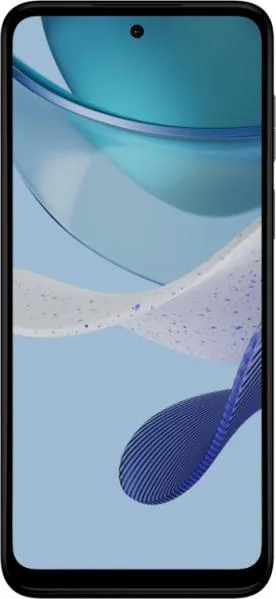
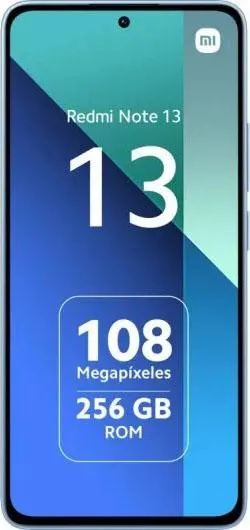
| Feature | Motorola Moto G (2023) | Xiaomi Redmi Note 13 4G | Practical Impact |
|---|---|---|---|
| Design | |||
| Dimensions (mm) | 164 x 75 x 8.4 | 162.3 x 75.6 x 8 | Redmi Note 13 is slightly smaller and thinner. Negligible difference in everyday use. |
| Weight (g) | 189 | 188.5 | Virtually identical weight. |
| Build | Unspecified | Unspecified | Build materials impact durability and premium feel. This information is missing. |
| Display | |||
| Display Type | IPS LCD, 120Hz | AMOLED, 120Hz | AMOLED offers deeper blacks, vibrant colors, and potentially better power efficiency. |
| Size (inches) | 6.5 | 6.67 | Redmi Note 13 has a slightly larger display. |
| Resolution | 720 x 1600 | 1080 x 2400 | Redmi Note 13 has a significantly sharper display, resulting in clearer text and images. |
| PPI | 270 | 395 | Noticeably higher PPI on the Redmi Note 13 translates to a much crisper viewing experience. |
| Peak Brightness | Unspecified | 1800 nits | Higher peak brightness ensures better visibility in sunlight. Missing data for Moto G. |
| Performance | |||
| Chipset | Snapdragon 480+ 5G | Snapdragon 685 4G | Snapdragon 685 offers better CPU and GPU performance in everyday tasks and some gaming. |
| CPU | Octa-core (2x2.2 GHz & 6x1.8 GHz) | Octa-core (4x2.8 GHz & 4x1.9 GHz) | Redmi Note 13 has faster and more powerful CPU cores. |
| GPU | Adreno 619 | Adreno 610 | While a newer model, the Adreno 619 in the Moto G may not offer significant performance differences compared to the 610 in real-world usage. Benchmarks would provide clarity. |
| RAM | 4GB | 8GB | Double the RAM on Redmi Note 13 allows for smoother multitasking and better performance with multiple apps. |
| Storage | 128GB | 128GB/256GB | Redmi offers a 256GB option for users needing more storage. |
| Camera | |||
| Main Camera | 48MP | 108MP | Higher megapixel count on the Redmi Note 13 doesn't guarantee better image quality but offers potentially more detail and flexibility for cropping. Real-world performance depends on sensor and processing. |
| Front Camera | 8MP | 16MP | Redmi Note 13's front camera has a higher resolution for potentially better selfies. |
| Video Recording | 1080p@30fps | 1080p@30/60fps | Redmi Note 13 offers 60fps recording for smoother videos. |
| Battery | |||
| Capacity | 5000 mAh | 5000 mAh | Identical battery capacity. Actual battery life depends on usage and optimization. |
2. Key Differences Analysis
Motorola Moto G (2023) Advantages:
- 5G Connectivity: Offers faster mobile data speeds where available.
- Potentially Lower Price: Depending on specific configurations.
Xiaomi Redmi Note 13 4G Advantages:
- Superior Display: AMOLED with higher resolution and brightness.
- Significantly Better Performance: Faster processor, more RAM.
- More Versatile Camera: Higher resolution main and selfie cameras, 60fps video recording.
- NFC: Enables contactless payments and other NFC functionalities.
- More Storage Options: Available with 256GB of storage.
3. User Profiles & Recommendations
Motorola Moto G (2023): Budget-conscious users prioritizing 5G connectivity over other features. Suitable for basic tasks like browsing, social media, and calling.
Xiaomi Redmi Note 13 4G: Users seeking a well-rounded phone with a good display, performance, and camera without needing 5G. Suitable for gaming, media consumption, and more demanding tasks.
4. Decision Framework
Key Questions for Buyers:
- Is 5G essential? If yes, the Moto G is the only option.
- What is your budget? The Moto G is likely cheaper.
- Which aspects of the phone are most important (display, performance, camera)? The Redmi Note 13 significantly outperforms the Moto G in these areas.
Scenario-Based Recommendations:
- Limited Budget, 5G needed: Moto G (2023)
- Balanced Performance and Features: Redmi Note 13 4G
- Best Display and Camera: Redmi Note 13 4G
My Choice: Xiaomi Redmi Note 13 4G
Reasoning: While 5G is a future-proof feature, the Redmi Note 13 4G provides a significantly better overall user experience with its superior display, performance, and camera. The AMOLED screen, faster processor, greater RAM, and higher-resolution cameras would make a noticeable difference in daily use. Unless 5G is an absolute necessity, the Redmi Note 13 4G offers greater value for the likely modest price difference. The sharper display alone drastically improves the user experience for media consumption.
