1. Specifications Comparison
| Feature | Motorola Moto G (2023) | Xiaomi Redmi Note 13 | Practical Impact |
|---|---|---|---|
| Design | |||
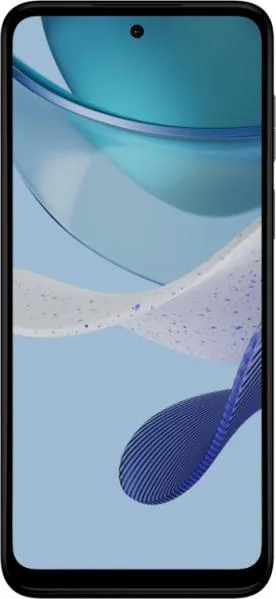
| Dimensions (mm) | 164 x 75 x 8.4 | 161.1 x 75 x 7.6 | Redmi Note 13 is slightly smaller and thinner. |
| Weight (g) | 189 | 174.5 | Redmi Note 13 is noticeably lighter, improving one-handed use. |
| Build | Missing | Missing | Build quality cannot be compared due to missing information. |
| Display | |||
| Display Type | IPS LCD, 120Hz | AMOLED, 1B colors, 120Hz | Redmi Note 13 offers deeper blacks, more vibrant colors, and potentially better power efficiency due to AMOLED technology. Both have smooth scrolling thanks to 120Hz refresh rate. |
| Display Size (inches) | 6.5 | 6.67 | Redmi Note 13 has a slightly larger screen. |
| Resolution | 720 x 1600 | 1080 x 2400 | Redmi Note 13 has a significantly sharper display (395 ppi vs 270 ppi), resulting in clearer text and images. |
| Performance | |||
| Chipset | Snapdragon 480+ 5G (8 nm) | MediaTek Dimensity 6080 (6 nm) | Dimensity 6080 generally offers better performance and efficiency due to its more advanced architecture and manufacturing process. |
| CPU | Octa-core (2x2.2 GHz Kryo 460 & 6x1.8 GHz Kryo 460) | Octa-core (2x2.4 GHz Cortex-A76 & 6x2.0 GHz Cortex-A55) | Redmi Note 13 likely has better multi-core performance due to faster and more powerful cores. |
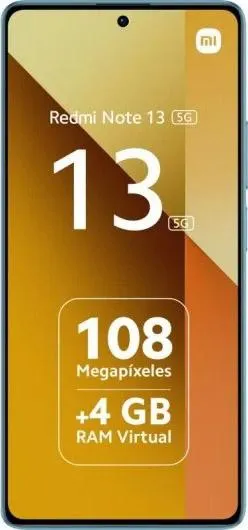
| RAM | 4GB | 8GB/12GB | Redmi Note 13 offers significantly more RAM, enabling smoother multitasking and better handling of demanding apps. |
| Camera | |||
| Rear Camera | 48MP Main + 2MP Macro | 108MP Main + 2MP Portrait + 8MP Wide Angle | Redmi Note 13 offers a more versatile camera system with a higher resolution main sensor and a dedicated wide-angle lens. |
| Front Camera | 8MP | 16MP | Redmi Note 13 has a higher resolution front camera for better selfies. |
| Video Recording | 1080p@30fps | 1080p@30/60fps | Redmi Note 13 offers 60fps recording for smoother videos. |
| Battery | |||
| Capacity | 5000 mAh | 5000 mAh | Both phones have the same battery capacity. Real-world battery life will depend on usage and optimization. |
2. Key Differences Analysis
Motorola Moto G (2023) Advantages:
- Potentially Lower Price: The Moto G (2023) is positioned in the "medium price" range, while the Redmi Note 13 is "low price," but actual prices vary. This could make it more budget-friendly depending on specific deals.
Xiaomi Redmi Note 13 Advantages:
- Superior Display: AMOLED technology with higher resolution and potentially higher brightness.
- Better Performance: More powerful processor, more RAM, leading to smoother multitasking and better gaming capabilities.
- More Versatile Camera System: Higher resolution main sensor, wide-angle lens, and better selfie camera.
- More Feature-Rich: NFC for contactless payments.
3. User Profiles & Recommendations
Motorola Moto G (2023): Budget-conscious users who prioritize basic functionality (calling, texting, web browsing) and casual media consumption.
Xiaomi Redmi Note 13: Users who want a well-rounded phone with a good display, performance, and camera for a competitive price. Suitable for gaming, photography enthusiasts, and those who multitask heavily.
4. Decision Framework
Key Questions for Buyers:
- What is your budget? The actual price difference between these phones needs to be considered.
- What are your primary use cases? (e.g., basic communication, gaming, photography)
- How important is display quality? The Redmi Note 13's AMOLED screen is a significant advantage for media consumption.
Scenario-Based Recommendations:
- Tight Budget, Basic Use: Moto G (2023)
- Balanced Performance and Price: Redmi Note 13
My Choice: Xiaomi Redmi Note 13
The Redmi Note 13 offers a significantly better display, performance, and camera system for a potentially similar price. The AMOLED screen, faster processor, more RAM, and versatile camera setup make it a more compelling overall package. While the Moto G (2023) might be slightly cheaper, the Redmi Note 13's superior features justify the potential price difference for most users. The inclusion of NFC also adds valuable functionality for contactless payments. Unless budget is extremely tight, the Redmi Note 13 provides significantly more value.
