1. Specifications Comparison
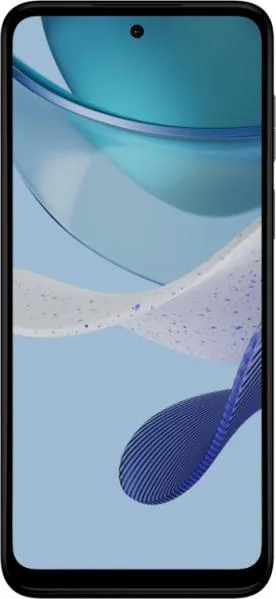
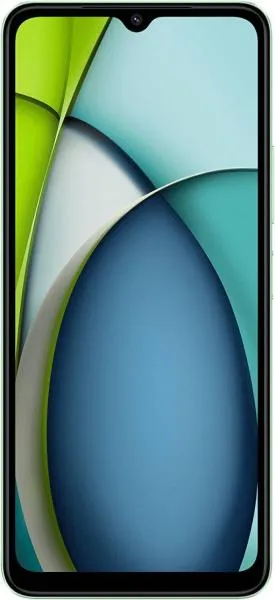
| Feature | Motorola Moto G (2023) | Xiaomi Redmi A3x | Practical Impact |
|---|---|---|---|
| Design | |||
| Dimensions (mm) | 164 x 75 x 8.4 | 168.4 x 76.3 x 8.3 | Redmi A3x is slightly larger and heavier. Negligible difference in daily use. |
| Weight (g) | 189 | 193 | Redmi A3x is slightly heavier. Negligible difference in daily use. |
| Display | |||
| Size (inches) | 6.5 | 6.71 | Redmi A3x offers a slightly larger screen, providing a more immersive experience for media consumption. |
| Resolution (px) | 720 x 1600 | 720 x 1650 | Virtually identical resolutions; both are HD+ but not as sharp as FHD+ displays. |
| Refresh Rate (Hz) | 120 | 90 | Moto G (2023)'s 120Hz refresh rate will result in smoother animations and scrolling compared to the 90Hz on the Redmi A3x. |
| Display Type | IPS LCD | IPS LCD | Both use IPS LCD technology, offering decent color reproduction and viewing angles but lacking the deep blacks of OLED. |
| Performance | |||
| Chipset | Snapdragon 480+ 5G | Unisoc T603 | Snapdragon 480+ 5G offers significantly better performance and 5G connectivity. |
| CPU | Octa-core (2x2.2 GHz & 6x1.8 GHz) | Octa-core 1.8 GHz | Moto G (2023)'s CPU has higher clock speeds, indicating better performance in demanding tasks and multitasking. |
| GPU | Adreno 619 | Mali-G57 MP1 | Adreno 619 provides better graphics performance for gaming and visually intensive applications. |
| RAM (GB) | 4 | 3/4 (version dependent) | 4GB RAM on the Moto G offers smoother multitasking. The Redmi A3x offers a 3GB RAM version which may struggle with heavy multitasking. |
| OS | Android 13 | Android 14 | Redmi A3x ships with a newer Android version, potentially offering more features and longer software support. Moto G (2023) may receive updates to later versions. |
| Camera | |||
| Rear Camera (MP) | 48 + 2 | 8 + 0.1 | Moto G (2023) has a significantly higher resolution main sensor, likely resulting in better image quality. The secondary 0.1MP sensor on the Redmi A3x is practically useless. |
| Front Camera (MP) | 8 | 5 | Moto G (2023) boasts a higher resolution front camera for better selfies. |
| Battery | |||
| Capacity (mAh) | 5000 | 5000 | Both have identical battery capacities, suggesting similar battery life depending on usage patterns. |
2. Key Differences Analysis
Motorola Moto G (2023) Advantages:
- Superior Performance: The Snapdragon 480+ 5G chipset significantly outperforms the Unisoc T603, offering smoother multitasking, better gaming performance, and 5G connectivity.
- Better Display: The 120Hz refresh rate provides a noticeably smoother user experience.
- Higher Quality Cameras: The 48MP main camera and 8MP selfie camera are expected to capture significantly better photos and videos.
Xiaomi Redmi A3x Advantages:
- Lower Price: The Redmi A3x is positioned in a lower price bracket, making it more budget-friendly.
- Newer Android Version: Ships with Android 14, offering potential advantages in features and software updates.
- Larger Display: Slightly larger screen size for more immersive viewing.
Trade-offs:
- The Redmi A3x sacrifices performance, camera quality, and display smoothness for a lower price point.
- The Moto G (2023) might lack some of the newest software features found in Android 14 and might have a slightly higher price tag.
3. User Profiles & Recommendations
Motorola Moto G (2023): Users who prioritize performance, a smooth display, good camera quality, and 5G connectivity. Ideal for gaming, media consumption, and multitasking.
Xiaomi Redmi A3x: Users on a tight budget who primarily use their phone for basic tasks like calling, texting, browsing, and social media. Suitable for casual users who don't demand high performance.
4. Decision Framework
Key Questions:
- What is your budget? The Redmi A3x is significantly cheaper.
- What are your primary phone usage patterns? For demanding tasks, the Moto G (2023) is superior.
- How important is 5G connectivity? The Moto G (2023) supports 5G, while the Redmi A3x does not.
My Choice: Motorola Moto G (2023)
While the Redmi A3x is more affordable, the performance and camera compromises are too significant for my needs. The Moto G (2023)'s Snapdragon 480+ 5G, 120Hz display, and better camera system provide a significantly better overall user experience, justifying the potential price difference. 5G future-proofing is also a crucial factor in my decision. The slightly older Android version is less concerning as Motorola has a reasonable track record of providing updates.
