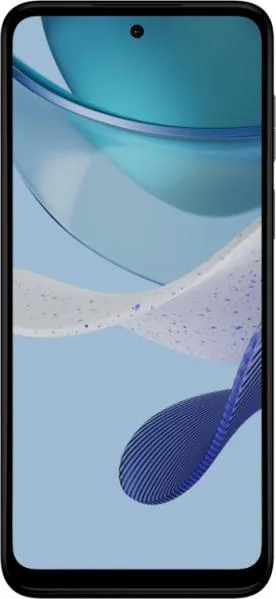
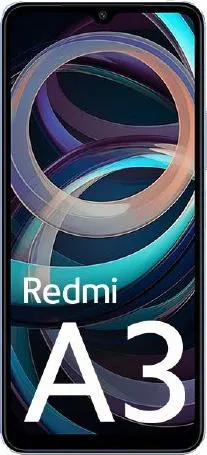
1. Specifications Comparison
| Feature | Motorola Moto G (2023) | Xiaomi Redmi A3 | Practical Impact |
|---|---|---|---|
| Design | |||
| Dimensions (mm) | 164 x 75 x 8.4 | 168.3 x 76.3 x 8.3 | Redmi A3 slightly larger and heavier. |
| Weight (g) | 189 | 193 | Negligible difference in weight. |
| Build Materials | Not specified | Not specified | Unable to compare build quality and durability. |
| Display | |||
| Size (inches) | 6.5 | 6.71 | Redmi A3 has a slightly larger screen. |
| Resolution (px) | 720 x 1600 | 720 x 1650 | Virtually identical resolution; minimal difference in sharpness. |
| Refresh Rate (Hz) | 120 | 90 | Moto G 2023 offers smoother scrolling and animations. |
| Display Type | IPS LCD | IPS LCD | Both have similar color accuracy and viewing angles. |
| Performance | |||
| Chipset | Snapdragon 480+ 5G | Mediatek Helio G36 | Snapdragon 480+ offers better performance and 5G connectivity. |
| CPU | Octa-core (2x2.2 GHz & 6x1.8 GHz) | Octa-core (4x2.2 GHz & 4x1.6 GHz) | Moto G 2023 likely to have slightly better CPU performance. |
| GPU | Adreno 619 | PowerVR GE8320 | Adreno 619 generally provides better gaming performance. |
| RAM (GB) | 4 | 3/4/6 (Variant dependent) | Redmi A3 offers more RAM options, potentially improving multitasking for higher RAM variants. |
| OS | Android 13 | Android 14 | Redmi A3 comes with a newer Android version out of the box. |
| Camera | |||
| Rear Camera (MP) | 48 + 2 | 8 + 0.3 | Moto G 2023 boasts significantly higher resolution main camera, likely capturing more detail. Redmi A3 secondary sensor's purpose unclear (0.3MP). |
| Front Camera (MP) | 8 | 5 | Moto G 2023 has a higher resolution selfie camera. |
| Video Recording | 1080p@30fps | 1080p@30fps | Identical video recording capabilities. |
| Battery | |||
| Capacity (mAh) | 5000 | 5000 | Same battery capacity, expected similar battery life, though real-world usage varies. |
| Other | |||
| NFC | No | Yes | Redmi A3 supports contactless payments and data transfer. |
| Price Range | Medium | Low | Redmi A3 generally more affordable. |
2. Key Differences Analysis
Motorola Moto G (2023) Advantages:
- Performance: The Snapdragon 480+ 5G offers notably better performance and 5G connectivity.
- Display: Smoother 120Hz refresh rate for a more fluid user experience.
- Main Camera: Higher resolution main camera (48MP) likely produces superior image quality.
Xiaomi Redmi A3 Advantages:
- Price: More budget-friendly.
- NFC: Supports contactless payments.
- Latest Android OS: Ships with Android 14, potentially offering newer features and longer software support.
- RAM Options: Offers variants with higher RAM, potentially benefiting multitasking performance.
Trade-offs:
- Moto G (2023): Higher price for better performance and display. Lacks NFC.
- Redmi A3: Compromises on performance and camera quality for a lower price.
3. User Profiles & Recommendations
Moto G (2023): Suitable for users who prioritize performance, a smooth display, and good camera quality. Ideal for moderate gaming, media consumption, and everyday tasks.
Redmi A3: Best for budget-conscious users who prioritize basic functionality and NFC for contactless payments. Suitable for light usage, social media, and communication. Higher RAM variants could be suitable for moderate multitasking.
4. Decision Framework
Key Questions for Buyers:
- What is your budget? The Redmi A3 is significantly more affordable.
- Is 5G connectivity important? The Moto G (2023) offers 5G, while the Redmi A3 does not.
- What are your performance requirements? The Moto G (2023) is more powerful for demanding tasks and gaming.
My Choice: Motorola Moto G (2023)
While the Redmi A3 is attractive for its low price and NFC, the Moto G (2023)'s superior performance, smoother display, and significantly better main camera outweigh these advantages for me. I prioritize a fluid user experience and future-proofing with 5G. The price difference is justifiable for the noticeable improvements in daily usage. The lack of NFC is a minor inconvenience compared to the performance gains. If budget was extremely tight, the Redmi A3 would be a reasonable compromise.
