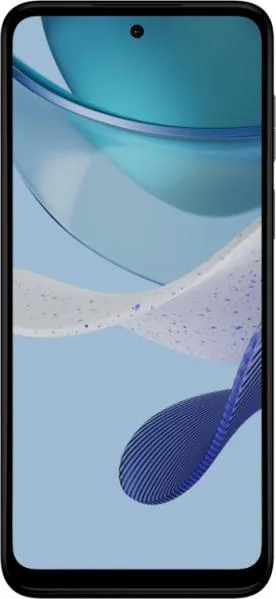
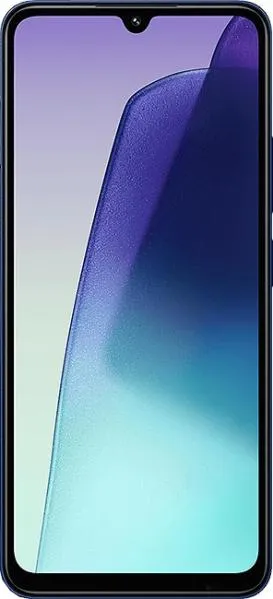
1. Specifications Comparison
| Feature | Motorola Moto G (2023) | Xiaomi Redmi 14C | Practical Impact |
|---|---|---|---|
| Design | |||
| Dimensions (mm) | 164 x 75 x 8.4 | 171.9 x 77.8 x 8.2 | Redmi 14C is noticeably larger and slightly heavier. May be less comfortable for one-handed use. |
| Weight (g) | 189 | 211 | Redmi 14C is heavier, potentially more tiring for extended use. |
| Display | |||
| Size (inches) | 6.5 | 6.88 | Redmi 14C offers a larger screen for more immersive media consumption. |
| Resolution (px) | 720 x 1600 | 720 x 1640 | Negligible difference in sharpness due to similar pixel density. |
| Refresh Rate (Hz) | 120 | 120 | Both offer smooth scrolling and animations. |
| Display Type | IPS LCD | IPS LCD | Similar display technology; expect comparable color accuracy and viewing angles. |
| Performance | |||
| Chipset | Snapdragon 480+ 5G | Helio G81 Ultra | Snapdragon 480+ generally offers better power efficiency and slightly improved GPU performance. |
| CPU | Octa-core (2x2.2 GHz & 6x1.8 GHz) | Octa-core (2x2.0 GHz & 6x1.8 GHz) | Moto G (2023) might have a slight edge in CPU performance for demanding tasks. |
| RAM (GB) | 4 | 4/6/8 (depending on version) | Redmi 14C offers configurations with more RAM, potentially improving multitasking and app loading times. |
| OS | Android 13 | Android 14 | Redmi 14C comes with a newer Android version, offering potential features and security updates. |
| Camera | |||
| Main Camera (MP) | 48 | 50 | Redmi 14C has a slightly higher resolution main camera; image quality differences might be subtle in practice. |
| Selfie Camera (MP) | 8 | 13 | Redmi 14C has a significantly higher resolution selfie camera, likely resulting in better selfie quality. |
| Video Recording | 1080p@30fps | 1080p@30fps | Both offer basic video recording capabilities. Redmi 14C claims 120fps slow-motion, but at an unspecified resolution. |
| Battery | |||
| Capacity (mAh) | 5000 | 5160 | Negligible difference in battery capacity; real-world battery life will depend on usage patterns and software optimization. |
| NFC | No | Yes | Redmi 14C supports contactless payments and data transfer via NFC. |
2. Key Differences Analysis
Motorola Moto G (2023) Advantages:
- Potentially Slightly Better Performance: The Snapdragon 480+ generally edges out the Helio G81 in GPU and power efficiency.
- More Compact Design: Smaller and lighter, making it easier to handle and pocket.
Xiaomi Redmi 14C Advantages:
- Larger Display: More immersive experience for media consumption.
- Newer Android Version: Access to the latest features and longer software support.
- Higher Resolution Selfie Camera: Significantly better selfie quality.
- NFC: Enables contactless payments and other NFC functionalities.
- More RAM Options: Configurations with 6GB or 8GB RAM available for improved multitasking.
3. User Profiles & Recommendations
Motorola Moto G (2023): Ideal for users who prioritize a compact phone, value battery life, and prefer a cleaner Android experience. Best for basic tasks like calling, texting, browsing, and light gaming.
Xiaomi Redmi 14C: Suitable for users who want a large display for media consumption, need NFC for contactless payments, and desire a longer software update cycle. Best for users who engage in moderate multitasking and take frequent selfies.
4. Decision Framework
Key Questions for Buyers:
- How important is phone size and one-handed usability?
- Do you need NFC for contactless payments?
- What is your budget and how much RAM do you require for your usage?
Scenario-Based Recommendations:
- Budget-conscious user who prioritizes portability: Moto G (2023)
- User who needs a large screen and NFC: Redmi 14C
- Power user who multitasks heavily: Redmi 14C (8GB RAM version)
My Choice: Xiaomi Redmi 14C
While the Moto G (2023) offers a potentially slightly faster processor and more compact form factor, the Redmi 14C's advantages outweigh those minor benefits for me. The inclusion of NFC is crucial for my daily use of contactless payments. The larger display is more enjoyable for media consumption and the newer Android version promises longer software support and access to newer features. The availability of higher RAM configurations also future-proofs the device for longer-term use. While I acknowledge the slightly larger size might be less pocketable, the benefits of NFC, a larger display, and a newer OS make the Redmi 14C the better overall choice for my needs.
