1. Specifications Comparison
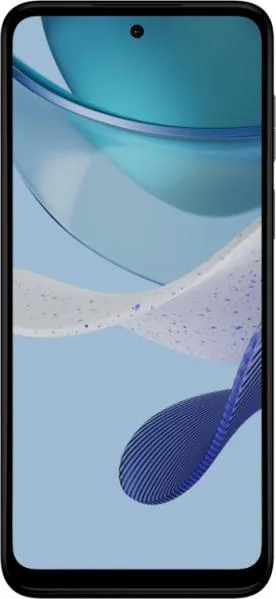
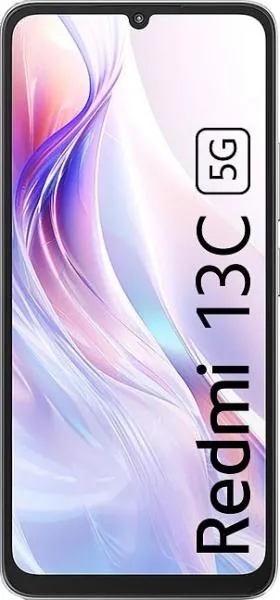
| Feature | Motorola Moto G (2023) | Xiaomi Redmi 13C 5G | Practical Impact |
|---|---|---|---|
| Design | |||
| Dimensions (mm) | 164 x 75 x 8.4 | 168 x 78 x 8.1 | Redmi 13C is slightly larger and heavier. |
| Weight (g) | 189 | 192 | Negligible weight difference in practical use. |
| Display | |||
| Size (inches) | 6.5 | 6.74 | Redmi 13C offers a larger screen for media consumption. |
| Resolution (px) | 720 x 1600 | 720 x 1600 | Same resolution, but Redmi 13C has slightly lower pixel density due to larger screen size. |
| Refresh Rate (Hz) | 120 | 90 | Moto G 2023 will feel smoother in UI navigation and some games. |
| Display Type | IPS LCD | IPS LCD | Both are LCD panels, expect similar color accuracy and viewing angles. |
| Performance | |||
| Chipset | Snapdragon 480+ 5G (8 nm) | Dimensity 6100+ (6 nm) | Dimensity 6100+ generally offers better performance and efficiency. |
| CPU | Octa-core (2x2.2 GHz Kryo 460 & 6x1.8 GHz Kryo 460) | Octa-core (2x2.2 GHz Cortex-A76 & 6x2.0 GHz Cortex-A55) | Dimensity's CPU architecture is more modern and likely performs better in demanding tasks. |
| GPU | Adreno 619 | Mali-G57 MC2 | Mali-G57 MC2 generally provides better gaming performance than Adreno 619. |
| RAM (GB) | 4 | 4/6/8 (depending on version) | Redmi offers configurations with more RAM, improving multitasking. |
| Camera | |||
| Rear Camera (MP) | 48 MP Main + 2 MP Macro | 50 MP Main + 0.8 MP (Unspecified) | Redmi 13C has a higher resolution main sensor; the secondary sensor on both phones is likely of limited use. |
| Front Camera (MP) | 8 MP | 5 MP | Moto G 2023 has a higher resolution selfie camera. |
| Video Recording | 1080p@30fps | 1080p@30fps | Equivalent video recording capabilities. |
| Battery | |||
| Capacity (mAh) | 5000 | 5000 | Same battery capacity, expected similar battery life depending on usage. |
2. Key Differences Analysis
Motorola Moto G (2023) Advantages:
- 120Hz Display: Smoother scrolling and animations.
- Potentially Better Selfie Camera: Higher resolution.
- Wider 5G Band Support: May be important for some users depending on their carrier and location.
Xiaomi Redmi 13C 5G Advantages:
- Larger Display: More immersive media experience.
- More Powerful Processor and GPU: Better for gaming and demanding tasks.
- Higher Resolution Main Camera: Potentially better image quality.
- More RAM Options: Better multitasking capabilities in higher RAM variants.
Trade-offs:
- Moto G 2023: Smoother display but less powerful processor.
- Redmi 13C: Larger display and better performance but lower refresh rate.
3. User Profiles & Recommendations
Motorola Moto G (2023):
- Ideal User: Budget-conscious users prioritizing a smooth display for everyday tasks, social media, and casual gaming. Less demanding users who prioritize battery life and a clean Android experience.
- Use Cases: Web browsing, social media, casual gaming, video streaming.
Xiaomi Redmi 13C 5G:
- Ideal User: Budget-conscious users who prioritize performance for gaming, multitasking, and using demanding applications. Those who prefer a large screen for media consumption.
- Use Cases: Mobile gaming, multitasking, media consumption, photography.
4. Decision Framework
Key Questions for Buyers:
- What is your budget? Consider the different RAM/storage options for the Redmi 13C.
- What is your primary smartphone usage? Gaming, media consumption, or general use?
- Do you prioritize display smoothness or overall performance?
Scenario-Based Recommendations:
- Heavy gamer on a budget: Redmi 13C (higher RAM variant if possible).
- Casual user prioritizing smooth experience: Moto G (2023).
- Media consumption focused user: Redmi 13C due to the larger display.
My Choice: Xiaomi Redmi 13C 5G
While the Moto G (2023)'s 120Hz display is tempting, the Xiaomi Redmi 13C 5G offers a more well-rounded package for my needs. The Dimensity 6100+ provides a significant performance advantage, which is crucial for future-proofing the device and ensuring smooth performance even with more demanding apps and tasks. The larger display is also a plus for media consumption. Although the 90Hz refresh rate is lower, the overall performance benefits of the Redmi 13C outweigh the slightly less smooth display for me. I would opt for the 6GB RAM version if budget allows for better multitasking.
