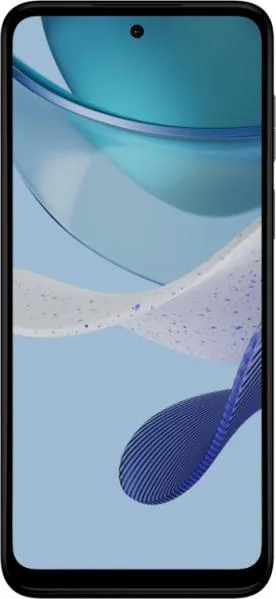
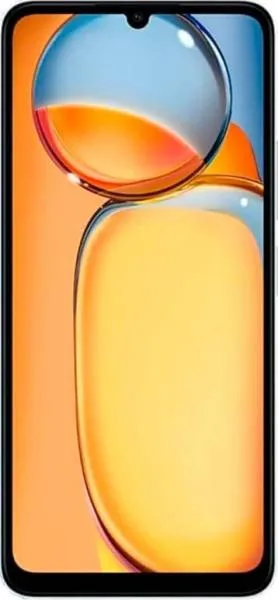
1. Specifications Comparison
| Feature | Motorola Moto G (2023) | Xiaomi Redmi 13C | Practical Impact |
|---|---|---|---|
| Design | |||
| Dimensions (mm) | 164 x 75 x 8.4 | 168 x 78 x 8.1 | Redmi 13C slightly larger |
| Weight (g) | 189 | 192 | Negligible weight difference |
| Display | |||
| Size (inches) | 6.5 | 6.74 | Redmi 13C offers a larger screen for media consumption |
| Resolution (px) | 720 x 1600 | 720 x 1600 | Same resolution, but Redmi 13C has lower pixel density due to larger size |
| Refresh Rate (Hz) | 120 | 90 | Moto G 2023 provides smoother scrolling and animations |
| Display Type | IPS LCD | IPS LCD | Similar display technology, expect comparable color accuracy and viewing angles |
| Performance | |||
| Chipset | Snapdragon 480+ 5G | Helio G85 | Snapdragon 480+ generally offers better performance and 5G connectivity |
| CPU | Octa-core (2x2.2 GHz & 6x1.8 GHz) | Octa-core (2x2.0 GHz & 6x1.8 GHz) | Moto G 2023 likely has a slight performance edge |
| GPU | Adreno 619 | Mali-G52 MC2 | Adreno 619 generally provides better gaming performance |
| RAM (GB) | 4 | 4/6/8 | Redmi 13C offers higher RAM options for better multitasking |
| Camera | |||
| Main Camera (MP) | 48 | 50 | Redmi 13C has slightly higher resolution, but image quality depends on sensor and processing |
| Front Camera (MP) | 8 | 5 | Moto G has a higher resolution front camera |
| Video Recording | 1080p@30fps | 1080p@30fps | Similar video recording capabilities |
| Battery | |||
| Capacity (mAh) | 5000 | 5000 | Same battery capacity, expect similar battery life |
| Other | |||
| NFC | No | Yes | Redmi 13C supports contactless payments and data transfer |
| Price Range | Medium | Low | Redmi 13C is generally more affordable |
2. Key Differences Analysis
Motorola Moto G (2023) Advantages:
- Smoother Display: 120Hz refresh rate provides a more fluid user experience.
- Better Performance: Snapdragon 480+ 5G offers better overall and gaming performance, plus 5G connectivity.
- Higher Resolution Selfie Camera: Better for video calls and self-portraits.
Xiaomi Redmi 13C Advantages:
- Larger Display: More immersive experience for media consumption.
- NFC: Enables contactless payments and other NFC functionalities.
- Lower Price: Offers a more budget-friendly option.
- Higher RAM Options: 6GB and 8GB RAM variants available for smoother multitasking.
3. User Profiles & Recommendations
Motorola Moto G (2023): Users who prioritize a smooth display, good performance, and 5G connectivity. Suitable for moderate gaming, web browsing, and social media.
Xiaomi Redmi 13C: Budget-conscious users who need a large display and NFC functionality. Suitable for media consumption, basic tasks, and contactless payments. Those who heavily multitask should consider the 6GB or 8GB RAM options.
4. Decision Framework
Key Questions:
- What is your budget? Redmi 13C is the more affordable option.
- Is 5G connectivity essential? Moto G 2023 offers 5G.
- Do you prioritize a smooth display or a larger display? Moto G 2023 has a 120Hz refresh rate, while Redmi 13C has a larger 6.71" screen.
My Choice: Motorola Moto G (2023)
While the Redmi 13C offers a compelling price and NFC, the Moto G (2023)'s superior performance (both CPU and GPU) and smoother 120Hz display are more important to me for a satisfying daily user experience. The performance difference would be noticeable in day-to-day tasks and especially in gaming. The smoother scrolling and responsiveness of the 120Hz display significantly enhance general usability. While I appreciate NFC, I can live without it. The slightly higher price of the Moto G (2023) is justified by the tangible benefits in performance and display quality.
