1. Specifications Comparison
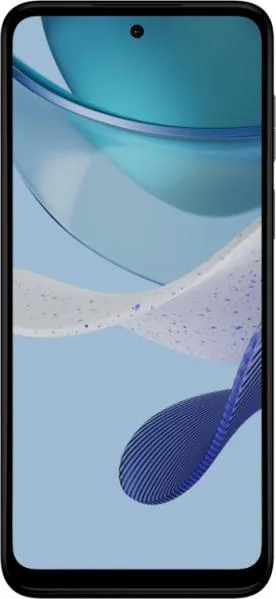
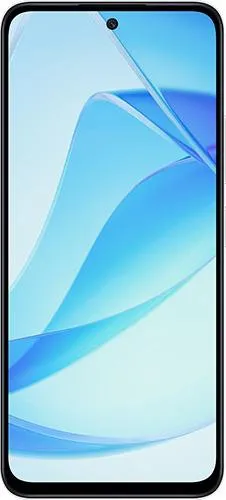
| Feature | Motorola Moto G (2023) | Xiaomi Redmi 12 5G | Practical Impact |
|---|---|---|---|
| Design | |||
| Dimensions (mm) | 164 x 75 x 8.4 | 168.6 x 76.3 x 8.2 | Redmi 12 5G is slightly larger and heavier. |
| Weight (g) | 189 | 199 | Noticeable difference in hand feel; Moto G (2023) is lighter. |
| Display | |||
| Size (inches) | 6.5 | 6.79 | Redmi 12 5G offers a larger screen for media consumption. |
| Resolution | 720 x 1600 | 1080 x 2460 | Redmi 12 5G has a significantly sharper display (396 ppi vs 270 ppi), resulting in clearer text and images. |
| Refresh Rate (Hz) | 120 | 90 | Moto G (2023) has a smoother display for gaming and scrolling, but higher refresh rate may impact battery life. |
| Display Type | IPS LCD | IPS LCD | Both use IPS LCD, offering good viewing angles but lacking the deep blacks of OLED. |
| Performance | |||
| Chipset | Snapdragon 480+ 5G (8 nm) | Snapdragon 4 Gen 2 (4 nm) | Snapdragon 4 Gen 2 is newer and built on a smaller process, likely leading to better power efficiency and potentially slightly improved performance. |
| CPU | Octa-core (2x2.2 GHz Kryo 460 & 6x1.8 GHz Kryo 460) | Octa-core (2x2.2 GHz Cortex-A78 & 6x1.95 GHz Cortex-A55) | While both have similar clock speeds, architectural differences make a direct comparison difficult without benchmarks. Expect similar performance for everyday tasks. |
| GPU | Adreno 619 | Adreno 613 | Minor difference in GPU; both are suited for casual gaming but may struggle with demanding titles. |
| RAM (GB) | 4 | 4/6/8 (depending on version) | Redmi 12 5G offers configurations with more RAM, improving multitasking and overall responsiveness. |
| Camera | |||
| Main Camera (MP) | 48 | 50 | Marginal difference in megapixel count; image quality depends more on sensor size and processing (information not fully provided). |
| Selfie Camera (MP) | 8 | 5 | Moto G (2023) has a higher resolution front camera. |
| Video Recording | 1080p@30fps | 1080p@30fps | Both offer basic video recording capabilities. Redmi 12 5G specs suggest it might have 120fps slow-motion, but detailed specs are missing in the provided data. |
| Battery | |||
| Capacity (mAh) | 5000 | 5000 | Similar battery capacity; actual battery life depends on usage and optimization. |
2. Key Differences Analysis
Motorola Moto G (2023) Advantages:
- Higher Refresh Rate Display: Smoother experience for scrolling and gaming.
- Lighter and More Compact: Easier to handle and carry.
- Potentially Lower Price: Depending on the specific RAM/storage configuration of the Redmi 12 5G.
Xiaomi Redmi 12 5G Advantages:
- Sharper Display: More detail in images and text.
- Larger Display: More immersive for media consumption.
- More RAM Options: Better multitasking and performance with higher RAM configurations.
- Newer Chipset: Potentially better power efficiency and performance.
3. User Profiles & Recommendations
Motorola Moto G (2023): Ideal for users who prioritize a smooth display, compact size, and affordability. Suitable for casual gaming, social media browsing, and everyday tasks.
Xiaomi Redmi 12 5G: Ideal for users who prioritize a large, sharp display and potentially better performance. Suitable for media consumption, multitasking, and moderate gaming.
4. Decision Framework
Key Questions for Buyers:
- What screen size and quality do you prefer? Larger and sharper (Redmi) or smoother and more compact (Moto G)?
- What is your budget? Compare prices for specific RAM/storage configurations.
- What are your performance needs? For demanding tasks, consider the Redmi 12 5G with higher RAM.
My Choice: Xiaomi Redmi 12 5G
While the Moto G (2023) offers a smoother display and a more compact form factor, the Xiaomi Redmi 12 5G provides a more compelling overall package for my needs. The significantly sharper and larger display is a major advantage for media consumption, and the newer processor with options for higher RAM offers better future-proofing and performance for multitasking. Although slightly heavier and larger, the benefits of the Redmi 12 5G outweigh the minor drawbacks in size and weight for me. The price difference, assuming comparable storage options, is likely worth the superior display and performance.
