1. Specifications Comparison
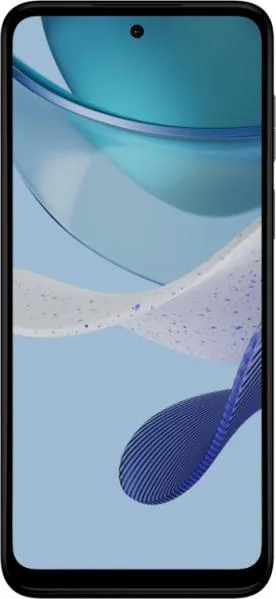
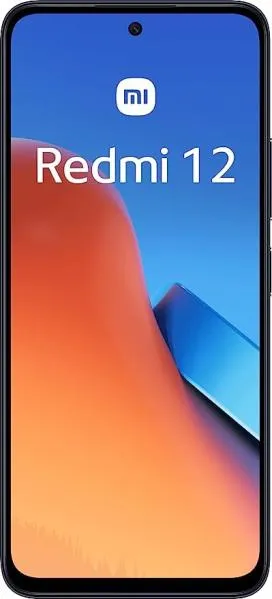
| Feature | Motorola Moto G (2023) | Xiaomi Redmi 12 | Practical Impact |
|---|---|---|---|
| Design | |||
| Dimensions (mm) | 164 x 75 x 8.4 | 168.6 x 76.3 x 8.2 | Redmi 12 is slightly larger and heavier. |
| Weight (g) | 189 | 198.5 | Noticeable difference in hand feel; Moto G (2023) is lighter. |
| Display | |||
| Size (inches) | 6.5 | 6.79 | Redmi 12 offers a larger screen for media consumption. |
| Resolution (px) | 720 x 1600 | 1080 x 2460 | Redmi 12 has significantly sharper visuals due to higher resolution (FHD+ vs. HD+). |
| Refresh Rate (Hz) | 120 | 90 | Moto G (2023) provides smoother scrolling and animations. |
| Display Type | IPS LCD | IPS LCD | Both use IPS LCD technology, offering good color reproduction but limited viewing angles compared to AMOLED. |
| Pixel Density (PPI) | 270 | 396 | Redmi 12 has a much higher pixel density, resulting in crisper text and images. |
| Performance | |||
| Chipset | Snapdragon 480+ 5G | Helio G88 | Both are budget-oriented chipsets. Snapdragon 480+ 5G generally offers better power efficiency and 5G connectivity. Helio G88 may have slightly better raw performance in some tasks. |
| CPU | Octa-core (2x2.2 GHz & 6x1.8 GHz) | Octa-core (2x2.0 GHz & 6x1.8 GHz) | Performance differences likely negligible for everyday tasks. |
| GPU | Adreno 619 | Mali-G52 MC2 | Minor differences in gaming performance; Adreno 619 generally preferred. |
| RAM (GB) | 4 | 8 (in some variants) | Redmi 12 offers more RAM in certain variants, enabling better multitasking and app performance. Note: the provided configuration has 4GB RAM for both phones. |
| Camera | |||
| Main Camera (MP) | 48 | 50 | Redmi 12 has a slightly higher resolution main sensor. Practical difference in image quality might be minimal. |
| Other Cameras | Macro 2MP | Wide 8MP, Macro 2MP | Redmi 12 offers a usable ultrawide lens, expanding photography options. |
| Video Recording | 1080p@30fps | 1080p@30fps | Both offer basic video recording capabilities. |
| Battery | |||
| Capacity (mAh) | 5000 | 5000 | Similar battery capacity, expected similar battery life depending on usage. |
| Other | |||
| NFC | No | Yes | Redmi 12 supports contactless payments and data transfer via NFC. |
| Operating System | Android 13 | Android 13 (upgradable to 14) | Redmi 12 offers longer software support with the confirmed Android 14 update. |
2. Key Differences Analysis
Motorola Moto G (2023) Advantages:
- Higher Refresh Rate Display: Smoother user experience for scrolling and gaming.
- Lighter and More Compact: Easier to hold and carry.
- Generally More Power Efficient Chipset: Potentially longer battery life.
Xiaomi Redmi 12 Advantages:
- Sharper Display: Significantly better visual clarity due to higher resolution.
- More Versatile Camera System: Ultrawide lens adds creative flexibility.
- NFC: Enables contactless payments and other NFC functionalities.
- Longer Software Support: Confirmed Android 14 update.
- More RAM Options: 8GB RAM variants provide significantly smoother multitasking.
3. User Profiles & Recommendations
Motorola Moto G (2023): Users prioritizing a smooth display, compact size, and long battery life. Ideal for basic tasks like browsing, social media, and casual gaming. Good for users on a tighter budget seeking 5G connectivity.
Xiaomi Redmi 12: Users who value a large, sharp display, versatile camera system, and NFC functionality. Suited for media consumption, mobile photography, and users who prefer longer software updates. Better for multitasking due to higher RAM availability.
4. Decision Framework
Key Questions:
- Is 5G connectivity a must-have? Moto G (2023) offers 5G.
- How important is display quality and size? Redmi 12 has a larger, sharper display.
- Do you need NFC for contactless payments? Redmi 12 includes NFC.
My Choice: Xiaomi Redmi 12
While the Motorola Moto G (2023) offers a smoother display and 5G, the Xiaomi Redmi 12 is the better overall package for me. The significantly sharper display and the inclusion of an ultrawide lens greatly enhance the user experience. NFC is essential for me for mobile payments, and the longer software update promise provides peace of mind. While both phones offer 4GB RAM in the provided specifications, the availability of 8GB RAM options on the Redmi 12 provides future-proofing for heavier multitasking. The slightly larger size and weight are a minor trade-off for the substantial benefits the Redmi 12 offers. The difference in chipset performance is unlikely to be noticeable in everyday usage.
