1. Specifications Comparison
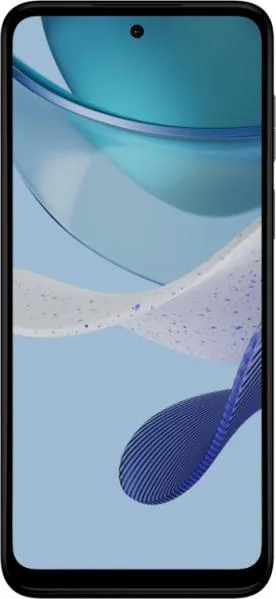
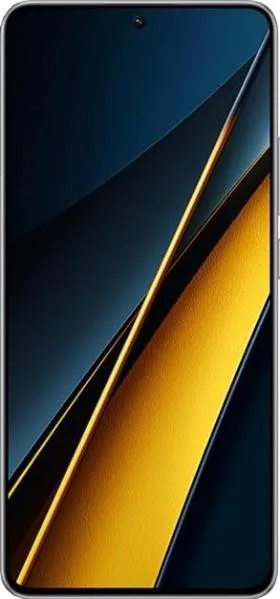
| Feature | Motorola Moto G (2023) | Xiaomi Poco X6 Pro | Practical Impact |
|---|---|---|---|
| Design | |||
| Dimensions (mm) | 164 x 75 x 8.4 | 160.5 x 74.3 x 8.3 | Poco X6 Pro is slightly smaller and may feel more comfortable in hand. |
| Weight (g) | 189 | 186 | Negligible weight difference. |
| Build Material | Not specified | Not specified | Cannot compare build quality and durability. |
| Display | |||
| Display Type | IPS LCD | AMOLED | Poco X6 Pro offers significantly better contrast, deeper blacks, and potentially brighter colors due to AMOLED technology. |
| Display Size (inches) | 6.5 | 6.67 | Poco X6 Pro has a slightly larger display. |
| Resolution | 720 x 1600 | 1220 x 2712 | Poco X6 Pro boasts much sharper visuals due to higher resolution (446 ppi vs 270 ppi). Impacts clarity of text, images, and videos. |
| Refresh Rate (Hz) | 120 | 120 | Both offer smooth scrolling and animations. |
| HDR | No | HDR10+, Dolby Vision | Poco X6 Pro supports HDR content for a wider dynamic range and more vibrant visuals in compatible content. |
| Performance | |||
| Chipset | Snapdragon 480+ 5G | Dimensity 8300 Ultra | Poco X6 Pro's Dimensity 8300 Ultra offers significantly better performance in demanding tasks, gaming, and multitasking due to its more powerful CPU and GPU. |
| CPU | Octa-core (2x2.2 GHz Kryo 460 & 6x1.8 GHz Kryo 460) | Octa-core (1x3.35 GHz Cortex-A715 & 3x3.20 GHz Cortex-A715 & 4x2.20 GHz Cortex-A510) | Poco X6 Pro's CPU architecture provides faster processing speeds. |
| RAM | 4GB | 12GB | Poco X6 Pro has significantly more RAM, enabling smoother multitasking and better performance with multiple apps open. |
| Storage | 128GB | 256GB/512GB | Poco X6 Pro offers more storage options for apps, photos, and videos. |
| Camera | |||
| Main Camera (MP) | 48 | 64 | Poco X6 Pro's higher resolution main camera potentially captures more detailed photos. |
| Other Cameras | Macro, Selfie | Wide, Macro, Selfie | Poco X6 Pro offers a wider range of shooting options with an ultrawide lens. |
| Video Recording | 1080p@30fps | Up to 4K@30fps with EIS | Poco X6 Pro can record higher resolution videos with electronic image stabilization for smoother footage. |
| Battery | |||
| Capacity (mAh) | 5000 | 5000 | Both phones have the same battery capacity, but real-world battery life will depend on usage and optimization. |
2. Key Differences Analysis
Motorola Moto G (2023) Advantages:
- Lower Price: Typically more affordable.
Xiaomi Poco X6 Pro Advantages:
- Significantly Better Performance: The Dimensity 8300 Ultra and larger RAM provide a vastly superior user experience for demanding tasks and gaming.
- Superior Display: The AMOLED display with HDR support offers a far richer visual experience.
- More Versatile Camera System: Includes an ultrawide lens and higher resolution sensors.
- Higher Resolution: Sharper text and images on the display.
- More Storage Options: Available with more storage for users with greater needs.
- NFC: Enables contactless payments and other functionalities.
3. User Profiles & Recommendations
Motorola Moto G (2023):
- Budget-conscious users: Prioritize affordability over high-end features.
- Basic smartphone users: Primarily use their phone for calling, texting, and light web browsing.
Xiaomi Poco X6 Pro:
- Performance enthusiasts: Gamers, power users who demand smooth multitasking.
- Content consumers: Enjoy watching videos and viewing high-quality images.
- Photography enthusiasts: Appreciate the versatile camera system and higher resolution.
4. Decision Framework
Key Questions for Buyers:
- What is your budget? The Moto G (2023) is significantly cheaper.
- What are your primary smartphone uses? For basic tasks, the Moto G may suffice. For demanding tasks, gaming, and media consumption, the Poco X6 Pro is superior.
- How important is display quality? The Poco X6 Pro's AMOLED display is a major advantage.
My Choice: Xiaomi Poco X6 Pro
While the Motorola Moto G (2023) offers a budget-friendly option, the Xiaomi Poco X6 Pro is the clear winner for me. The superior performance, stunning AMOLED display, versatile camera system, and ample storage outweigh the price difference. The Dimensity 8300 Ultra ensures a smooth and responsive user experience even with demanding tasks. The higher resolution display makes a noticeable difference in everyday usage. Although price is a factor, the long-term benefits of a smoother, more feature-rich experience make the Poco X6 Pro a worthwhile investment. I value performance and a high-quality display, and the Poco X6 Pro delivers on both fronts.
