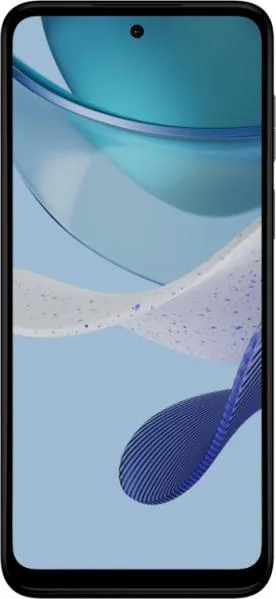
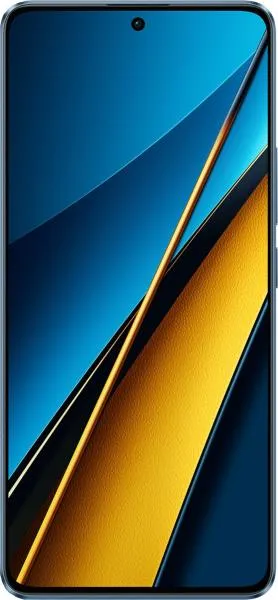
1. Specifications Comparison
| Feature | Motorola Moto G (2023) | Xiaomi Poco X6 | Practical Impact |
|---|---|---|---|
| Design | |||
| Dimensions (mm) | 164 x 75 x 8.4 | 161.2 x 74.3 x 8 | Poco X6 is slightly smaller and thinner. |
| Weight (g) | 189 | 181 | Poco X6 is slightly lighter. Negligible difference in daily use. |
| Build Material | Not specified | Not specified | Cannot compare build quality and durability. |
| Display | |||
| Display Type | IPS LCD, 120Hz | AMOLED, 120Hz, Dolby Vision | Poco X6 offers superior contrast, deeper blacks, and potentially brighter display thanks to AMOLED technology and Dolby Vision support. |
| Display Size (inches) | 6.5 | 6.67 | Poco X6 has a slightly larger screen. |
| Resolution (pixels) | 720 x 1600 | 1220 x 2712 | Poco X6 has a significantly sharper and more detailed display (446 ppi vs 270 ppi). |
| Refresh Rate (Hz) | 120 | 120 | Both offer smooth scrolling and animations thanks to the 120Hz refresh rate. |
| Performance | |||
| Chipset | Snapdragon 480+ 5G | Snapdragon 7s Gen 2 | Poco X6 has a considerably more powerful processor, resulting in significantly faster performance and better multitasking. |
| CPU | Octa-core (2x2.2 GHz & 6x1.8 GHz) | Octa-core (4x2.4 GHz & 4x1.95 GHz) | Poco X6's CPU architecture and clock speeds offer superior performance for demanding tasks and gaming. |
| GPU | Adreno 619 | Adreno 710 | Poco X6 has a much more capable GPU, providing a smoother gaming experience and better graphics performance. |
| RAM (GB) | 4 | 12 | Poco X6 offers significantly more RAM, enabling superior multitasking and smoother performance with demanding applications. |
| Camera | |||
| Main Camera (MP) | 48 | 64 | Poco X6 offers higher resolution, potentially capturing more detail. However, megapixels alone don't guarantee image quality. |
| Front Camera (MP) | 8 | 16 | Poco X6 has a higher resolution front camera for better selfies. |
| Video Recording | 1080p@30fps | 4K@30fps, 1080p@60fps | Poco X6 supports significantly higher video resolution and frame rates. |
| Camera Features | Digital image stabilization | Optical image stabilization (OIS) | Poco X6 offers OIS for more stable video recording and potentially better low-light photos. |
| Battery | |||
| Battery Capacity (mAh) | 5000 | 5100 | Negligible difference in battery capacity. Real-world battery life depends on usage patterns and optimization. |
| Other | |||
| NFC | No | Yes | Poco X6 supports contactless payments and data transfer via NFC. |
| Operating System | Android 13 | Android 13 (upgradable to 16) | Poco X6 has longer software support, ensuring security updates and new features for a longer period. |
| Price Range | Medium | Medium | While both are in the medium price range, the Poco X6 might be positioned at the higher end. |
2. Key Differences Analysis
Motorola Moto G (2023) Advantages:
- Potentially Lower Price: Specific pricing wasn't compared, but Moto G phones are generally more budget-friendly.
Xiaomi Poco X6 Advantages:
- Superior Performance: Significantly faster processor, GPU, and more RAM for smoother multitasking and gaming.
- Better Display: AMOLED screen with higher resolution, Dolby Vision, and higher peak brightness for a more vibrant and immersive visual experience.
- Enhanced Camera: Higher resolution cameras, OIS for stable video, and 4K recording capabilities.
- Longer Software Support: Guaranteed updates to Android 16.
- NFC: Supports contactless payments.
3. User Profiles & Recommendations
Moto G (2023): Budget-conscious users who prioritize basic functionality: calling, texting, web browsing, and light social media usage. Not recommended for demanding tasks like gaming or heavy multitasking.
Poco X6: Users who value performance, a high-quality display, a good camera, and longer software updates. Ideal for gamers, content creators, and those who multitask heavily.
4. Decision Framework
Key Questions:
- What is your budget?
- What are your primary smartphone usage patterns? (e.g., gaming, photography, social media)
- How important are features like NFC and a high-quality display?
Scenario-Based Recommendations:
- Tight Budget, Basic Usage: Moto G (2023)
- Balanced Needs, Value for Money: Poco X6
- Performance and Feature Focused: Poco X6
My Choice: Xiaomi Poco X6
Reasons: The Poco X6 offers a significantly better overall package despite potentially being slightly more expensive. The superior performance, display, camera, and longer software support outweigh the minor price difference for most users. The inclusion of NFC for contactless payments is also a valuable addition. The Moto G (2023) might be a suitable option only for extremely budget-conscious users with very basic smartphone needs. The differences in performance and display quality are substantial enough to make the Poco X6 a more future-proof and satisfying choice.
