
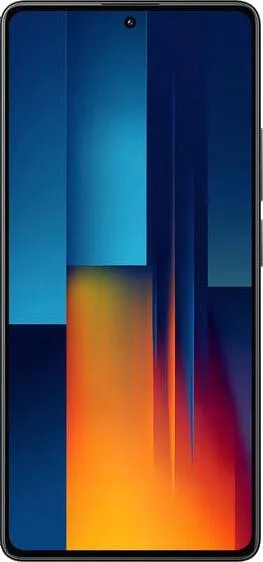
1. Specifications Comparison
| Feature | Motorola Moto G (2023) | Xiaomi Poco M6 Pro | Practical Impact |
|---|---|---|---|
| Design | |||
| Dimensions (mm) | 164 x 75 x 8.4 | 161.1 x 75 x 8 | Poco M6 Pro is slightly smaller and thinner. |
| Weight (g) | 189 | 179 | Poco M6 Pro is noticeably lighter, improving one-handed use. |
| Build | Not specified | Not specified | Build quality impact cannot be assessed without materials information. |
| Display | |||
| Display Type | IPS LCD | AMOLED | AMOLED offers deeper blacks, higher contrast, and potentially better power efficiency. |
| Display Size (inches) | 6.5 | 6.67 | Poco M6 Pro has a slightly larger screen. |
| Resolution | 720 x 1600 | 1080 x 2400 | Poco M6 Pro has a significantly sharper display, resulting in clearer text and images. |
| Refresh Rate (Hz) | 120 | 120 | Both offer smooth scrolling and animations. |
| Peak Brightness (nits) | Not specified | 1300 | Poco M6 Pro's higher peak brightness ensures better visibility in sunlight. |
| Performance | |||
| Chipset | Snapdragon 480+ 5G | Helio G99 Ultra | Helio G99 Ultra generally offers better CPU performance; Snapdragon 480+ has better 5G modem |
| CPU | Octa-core (2x2.2 GHz Kryo 460 & 6x1.8 GHz Kryo 460) | Octa-core (2x2.2 GHz Cortex-A76 & 6x2.0 GHz Cortex-A55) | Both offer decent performance for everyday tasks, but the Helio G99 might handle demanding tasks slightly better. |
| GPU | Adreno 619 | Mali-G57 MC2 | Gaming performance differences are minor, Adreno 619 may have an edge in certain titles. |
| RAM | 4GB | Up to 12GB (Configuration dependent) | More RAM in the Poco M6 Pro allows for smoother multitasking and better performance with multiple apps open. |
| Camera | |||
| Main Camera (MP) | 48 | 64 | Poco M6 Pro boasts higher resolution, potentially capturing more detail. |
| Ultrawide | No | Yes (8MP) | Poco M6 Pro offers ultrawide photography for broader perspectives. |
| Front Camera (MP) | 8 | 16 | Poco M6 Pro has a significantly better selfie camera with higher resolution. |
| Video Recording | 1080p@30fps | 1080p@60fps with EIS | Poco M6 Pro offers higher resolution and frame rate video recording with electronic image stabilization. |
| Battery | |||
| Capacity (mAh) | 5000 | 5000 | Both have the same battery capacity. Real-world battery life depends on usage and optimization. |
| Charging Speed | Not specified | Not specified | Charging speed comparison is impossible without specific data. |
2. Key Differences Analysis
Motorola Moto G (2023) Advantages:
- 5G Connectivity: Offers broader network compatibility in areas with 5G infrastructure.
Xiaomi Poco M6 Pro Advantages:
- Superior Display: AMOLED technology, higher resolution, and increased brightness provide a significantly better viewing experience.
- Enhanced Performance: More RAM and a generally more powerful processor enable smoother multitasking and better performance for demanding applications.
- Versatile Camera System: Higher resolution main camera, ultrawide lens, and better selfie camera provide greater photographic flexibility.
- Improved Video Recording: Higher resolution and frame rate with electronic image stabilization.
- NFC: Enables contactless payments and data transfer.
3. User Profiles & Recommendations
Motorola Moto G (2023): Budget-conscious users who prioritize 5G connectivity and reliable performance for basic tasks. Ideal for:
- Casual web browsing and social media use
- Light gaming
- Making calls and texting
Xiaomi Poco M6 Pro: Users seeking a well-rounded phone with a great display, strong performance, and a versatile camera system. Ideal for:
- Mobile gaming and content consumption
- Photography enthusiasts
- Users who multitask heavily
4. Decision Framework
Key Questions for Buyers:
- Is 5G connectivity a necessity? If yes, the Moto G (2023) becomes a stronger contender despite its other limitations.
- How important is display quality and camera performance? If these are priorities, the Poco M6 Pro is the clear winner.
- What is your budget? While both are mid-range, specific pricing should be compared considering the storage and RAM options.
My Choice: Xiaomi Poco M6 Pro
The Xiaomi Poco M6 Pro is the superior choice for me. While 5G is appealing, the Poco M6 Pro offers significant advantages in display quality, performance, camera versatility, and overall user experience. The sharper AMOLED screen, more powerful processor with more RAM, and the inclusion of NFC outweigh the Moto G (2023)'s 5G advantage for my needs. The significantly improved camera system and video recording capabilities of the Poco M6 Pro also factor heavily into my decision. I prioritize a smooth and enjoyable user experience over having 5G connectivity, especially considering the rapidly expanding availability of Wi-Fi 6 and its potential to offer comparable speeds in many situations.
