1. Specifications Comparison
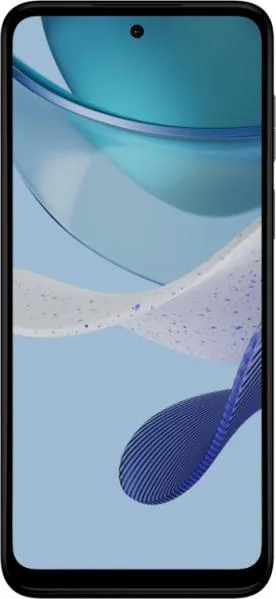
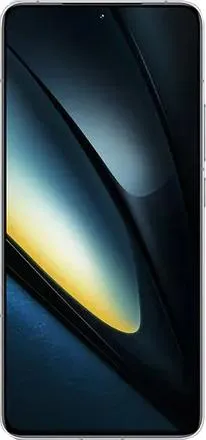
| Feature | Motorola Moto G (2023) | Xiaomi Poco F6 Pro | Practical Impact |
|---|---|---|---|
| Design | |||
| Dimensions (mm) | 164 x 75 x 8.4 | 160.9 x 75 x 8.2 | Poco F6 Pro is slightly shorter and thinner. Negligible difference in daily use. |
| Weight (g) | 189 | 209 | Poco F6 Pro is noticeably heavier, potentially impacting one-handed use. |
| Build Materials | Not specified | Not specified | Cannot compare build quality and durability without this information. |
| Display | |||
| Display Type | IPS LCD, 120Hz | AMOLED, 68B colors, 120Hz, Dolby Vision, HDR10+ | Poco F6 Pro offers significantly better contrast, color accuracy, and HDR support resulting in a superior viewing experience. |
| Display Size (inches) | 6.5 | 6.67 | Poco F6 Pro has a slightly larger screen. |
| Resolution | 720 x 1600 | 1440 x 3200 | Much sharper and more detailed visuals on the Poco F6 Pro due to significantly higher resolution. |
| PPI | 270 | 526 | Significantly higher pixel density on the Poco F6 Pro, resulting in crisper text and images. |
| Peak Brightness | Not specified | 4000 nits | Poco F6 Pro offers superior outdoor visibility with its much higher peak brightness. Moto G's brightness is unknown. |
| Performance | |||
| Chipset | Snapdragon 480+ 5G | Snapdragon 8 Gen 2 | Poco F6 Pro boasts a vastly more powerful processor, enabling significantly smoother multitasking, gaming, and demanding applications. |
| CPU | Octa-core (2x2.2 GHz Kryo 460 & 6x1.8 GHz Kryo 460) | Octa-core (1x3.2 GHz Cortex-X3 & 2x2.8 GHz Cortex-A715 & 2x2.8 GHz Cortex-A710 & 3x2.0 GHz Cortex-A510) | The Poco F6 Pro's CPU architecture offers superior performance and efficiency. |
| GPU | Adreno 619 | Adreno 740 | A significantly more powerful GPU in the Poco F6 Pro translates to a much better gaming and graphics-intensive application experience. |
| RAM | 4GB | 12GB/16GB | Much more RAM in the Poco F6 Pro enables seamless multitasking and smoother performance with demanding applications. |
| Camera | |||
| Main Camera | 48MP | 50MP (Omnivision OV50E) | Both offer high megapixel counts, but sensor quality and processing will determine the actual image quality. Poco F6 Pro likely benefits from a larger sensor (1/1.55"). |
| Ultrawide | Not specified | 8MP | Poco F6 Pro offers ultrawide photography, expanding creative possibilities. |
| Video Recording | 1080p@30fps | Up to 8K@24fps | Poco F6 Pro offers significantly higher resolution video recording capabilities. |
| Battery | |||
| Capacity | 5000 mAh | 5000 mAh | Similar battery capacities, but real-world battery life will depend on software optimization and hardware efficiency. The more powerful and brighter display of the Poco F6 Pro may drain the battery faster. |
2. Key Differences Analysis
Motorola Moto G (2023) Advantages:
- Potentially Lower Price: Likely more affordable than the Poco F6 Pro.
- Lighter Weight: Easier for one-handed use.
Xiaomi Poco F6 Pro Advantages:
- Significantly Higher Performance: Superior CPU, GPU, and RAM for a smoother and faster user experience.
- Superior Display: AMOLED with HDR, higher resolution, and brightness for a better viewing experience.
- More Versatile Camera System: Includes an ultrawide lens and higher resolution video recording.
- More Feature Rich: NFC for contactless payments. Newer Bluetooth and Wifi standards.
3. User Profiles & Recommendations
Motorola Moto G (2023): Budget-conscious users who prioritize basic communication, web browsing, and light media consumption. Not recommended for demanding tasks like gaming or heavy multitasking.
Xiaomi Poco F6 Pro: Users who demand top-tier performance, a premium display, and a versatile camera system. Ideal for mobile gamers, content creators, and power users.
4. Decision Framework
Key Questions for Buyers:
- What is your budget? The Moto G (2023) is expected to be significantly cheaper.
- What are your primary use cases? For basic tasks, the Moto G might suffice. For demanding tasks, the Poco F6 Pro is necessary.
- How important is display quality? The Poco F6 Pro's AMOLED display offers a significant advantage.
My Choice: Xiaomi Poco F6 Pro
While the Motorola Moto G (2023) might be a decent budget option, the Xiaomi Poco F6 Pro offers a vastly superior overall experience. The significantly improved performance, stunning display, versatile camera system, and future-proof features (like newer Wifi standards) justify the higher price for me. I value a smooth and responsive user experience, high-quality visuals, and the ability to handle demanding tasks without lag. The Poco F6 Pro delivers on all these fronts. While heavier, the benefits greatly outweigh this minor drawback for my usage.
