1. Specifications Comparison
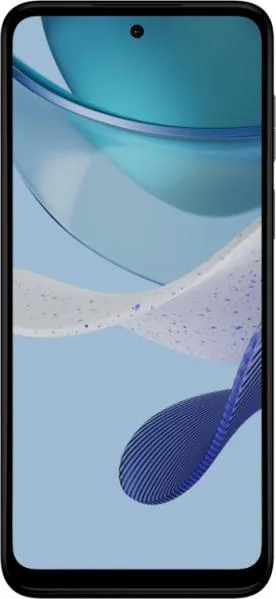
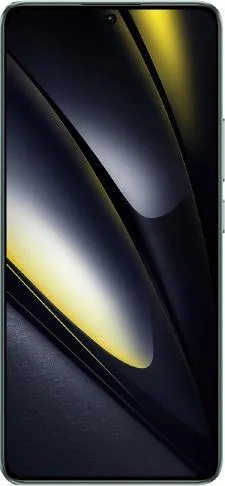
| Feature | Motorola Moto G (2023) | Xiaomi Poco F6 | Practical Impact |
|---|---|---|---|
| Design | |||
| Dimensions (mm) | 164 x 75 x 8.4 | 160.5 x 74.5 x 8 | Poco F6 is slightly shorter, narrower, and thinner. |
| Weight (g) | 189 | 179 | Poco F6 is noticeably lighter, improving one-handed use. |
| Build Materials | Not specified | Not specified | Cannot compare build quality and durability. |
| Display | |||
| Display Type | IPS LCD, 120Hz | AMOLED, 68B colors, 120Hz, HDR10+, Dolby Vision | Poco F6 offers superior contrast, deeper blacks, and richer colors due to AMOLED technology. HDR10+ and Dolby Vision support provide a significantly better video viewing experience. |
| Display Size (inches) | 6.5 | 6.67 | Poco F6 has a slightly larger display. |
| Resolution | 720 x 1600 | 1220 x 2712 | Poco F6 boasts a much sharper display with higher pixel density (446 ppi vs 270 ppi), resulting in crisper text and images. |
| Peak Brightness | Not specified | 2400 nits | Poco F6's much higher peak brightness ensures excellent outdoor visibility. |
| Performance | |||
| Chipset | Snapdragon 480+ 5G | Snapdragon 8s Gen 3 | Poco F6's flagship-level processor offers significantly faster performance, smoother multitasking, and better gaming capabilities. |
| CPU | Octa-core (2x2.2 GHz Kryo 460 & 6x1.8 GHz Kryo 460) | Octa-core (1x3.0 GHz Cortex-X4 & 4x2.8 GHz Cortex-A720 & 3x2.0 GHz Cortex-A520) | Poco F6's CPU architecture is more powerful and efficient. |
| GPU | Adreno 619 | Adreno 735 | Poco F6's GPU provides a substantial boost in graphics performance for demanding games and applications. |
| RAM | 4GB | 8/12GB | Poco F6 offers more RAM, leading to smoother multitasking and better performance with multiple apps. |
| Camera | |||
| Main Camera | 48MP | 50MP (Sony IMX882) with OIS | Poco F6's main camera likely offers better image quality, especially in low light, thanks to the larger sensor and optical image stabilization (OIS). |
| Video Recording | 1080p@30fps | Up to 4K@60fps with EIS | Poco F6 offers superior video recording capabilities with higher resolution and frame rates, along with electronic image stabilization (EIS). |
| Battery | |||
| Capacity | 5000 mAh | 5000 mAh | Similar battery capacity, but actual battery life will depend on software optimization and hardware efficiency. |
2. Key Differences Analysis
Motorola Moto G (2023) Advantages:
- Lower Price: Significantly more affordable.
Xiaomi Poco F6 Advantages:
- Superior Performance: Significantly faster processor and more RAM.
- Better Display: AMOLED with higher resolution, HDR10+, Dolby Vision, and higher brightness.
- Enhanced Camera: Higher resolution main camera with OIS and superior video recording capabilities.
- More Features: NFC for mobile payments.
Trade-offs:
- Price: The Poco F6 is considerably more expensive.
3. User Profiles & Recommendations
Motorola Moto G (2023):
- Budget-conscious users: Ideal for those seeking a basic smartphone for everyday tasks like calling, texting, and web browsing.
- Casual users: Suitable for those who prioritize affordability over high-end features.
Xiaomi Poco F6:
- Power users: Ideal for demanding tasks like gaming, video editing, and multitasking.
- Photography enthusiasts: The improved camera system with OIS and 4K video recording is a significant advantage.
- Tech-savvy users: Those who appreciate a high-quality display and the latest features like NFC will prefer the Poco F6.
4. Decision Framework
Key Questions for Buyers:
- What is your budget? The Moto G (2023) is a budget-friendly option, while the Poco F6 is a mid-range device.
- What are your primary use cases? Basic tasks vs. demanding applications and gaming.
- How important are display quality and camera performance? The Poco F6 significantly outperforms the Moto G in these areas.
My Choice: Xiaomi Poco F6
While the Motorola Moto G (2023) offers decent value for its price, the Xiaomi Poco F6 is the clear winner for me. The significantly improved performance, stunning AMOLED display, enhanced camera system, and additional features like NFC justify the higher price. I prioritize a smooth and enjoyable user experience, and the Poco F6 delivers that with its powerful hardware and feature set. The difference in price is substantial, but the value proposition of the Poco F6 is undeniable for a user like me who values performance, display quality, and camera capabilities.
