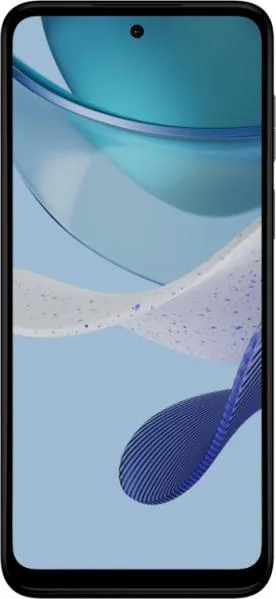
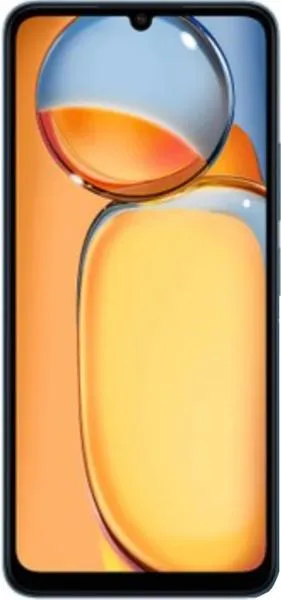
1. Specifications Comparison
| Feature | Motorola Moto G (2023) | Xiaomi Poco C65 | Practical Impact |
|---|---|---|---|
| Design | |||
| Dimensions (mm) | 164 x 75 x 8.4 | 168 x 78 x 8.1 | Poco C65 is slightly larger and heavier. |
| Weight (g) | 189 | 192 | Negligible weight difference in practical use. |
| Build Material | Not specified | Not specified | Cannot compare build quality and durability. |
| Display | |||
| Size (inches) | 6.5 | 6.74 | Poco C65 offers a larger screen for media consumption. |
| Resolution (pixels) | 720 x 1600 | 720 x 1600 | Same resolution, but Poco's larger display results in slightly lower pixel density (270 vs 260 ppi), potentially making images less sharp. |
| Refresh Rate (Hz) | 120 | 90 | Moto G (2023) will feel smoother in animations and scrolling. |
| Display Type | IPS LCD | IPS LCD | Similar display technology, expect comparable color accuracy and viewing angles. |
| Performance | |||
| Chipset | Snapdragon 480+ 5G | Helio G85 | Snapdragon 480+ generally offers better performance and power efficiency, especially with 5G connectivity. |
| CPU | Octa-core (2x2.2 GHz & 6x1.8 GHz) | Octa-core (2x2.0 GHz & 6x1.8 GHz) | Moto G (2023) likely has a slight performance edge in demanding tasks. |
| GPU | Adreno 619 | Mali-G52 MC2 | Adreno 619 generally provides better gaming performance. |
| RAM (GB) | 4 | 6/8 (Variant Dependent) | Poco C65 offers larger RAM options, beneficial for multitasking and heavy app usage. |
| Camera | |||
| Main Camera (MP) | 48 | 50 | Poco C65 boasts higher megapixel count, but image quality depends on factors beyond resolution like sensor size and processing. |
| Front Camera (MP) | 8 | 8 | Similar front camera resolution. |
| Camera Features | Dual Camera | Triple Camera (with Macro and Depth sensors) | Poco C65 provides more versatile camera options with dedicated macro and depth sensors. |
| Battery | |||
| Capacity (mAh) | 5000 | 5000 | Similar battery capacity, expected battery life depends on optimization and usage. |
| Other | |||
| NFC | No | Yes | Poco C65 supports contactless payments and data transfer via NFC. |
| Price Range | Medium | Low | Poco C65 is positioned as a more budget-friendly option. |
| 5G Connectivity | Yes | No | Moto G (2023) offers future-proofing with 5G support. |
2. Key Differences Analysis
Motorola Moto G (2023) Advantages:
- Smoother Display: 120Hz refresh rate provides a more fluid user experience.
- Better Performance: Snapdragon 480+ 5G offers superior processing power and efficiency.
- 5G Connectivity: Future-proofed for faster data speeds.
Xiaomi Poco C65 Advantages:
- Larger Display: More screen real estate for media consumption.
- Higher RAM Options: Better multitasking capabilities.
- More Versatile Camera System: Triple camera setup with macro and depth sensors.
- Lower Price: More budget-friendly option.
- NFC: Enables contactless payments.
3. User Profiles & Recommendations
Motorola Moto G (2023): Users who prioritize performance, a smooth display, and 5G connectivity. Suitable for:
- Moderate gaming
- Streaming video content
- Future-proofing their device
Xiaomi Poco C65: Users on a tight budget who value a large display, versatile camera, and NFC functionality. Suitable for:
- Casual photography
- Social media browsing
- Contactless payments
4. Decision Framework
Key Questions for Buyers:
- What is your budget? Poco C65 is the clear winner for budget-conscious buyers.
- Is 5G connectivity important to you? If yes, Moto G (2023) is the only option.
- Which features do you prioritize most? Performance and smooth display (Moto G 2023) vs. large screen, versatile camera, and NFC (Poco C65).
My Choice: Motorola Moto G (2023)
While the Poco C65 offers compelling features for its price, I would choose the Motorola Moto G (2023). The superior performance of the Snapdragon 480+ 5G, coupled with the smoother 120Hz display, would provide a significantly better overall user experience in the long run. 5G future-proofing is also a crucial factor in my decision. While I acknowledge the benefits of the Poco C65's larger display, NFC, and lower price, I prioritize performance and a fluid user experience over these features. The slightly higher price of the Moto G (2023) is a worthwhile investment for the noticeable performance and display improvements.
