1. Specifications Comparison
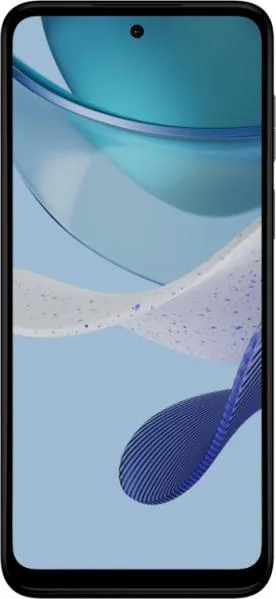
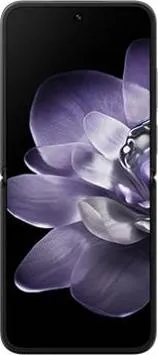
| Feature | Motorola Moto G (2023) | Xiaomi Mix Flip | Practical Impact |
|---|---|---|---|
| Design | |||
| Dimensions (mm) | 164 x 75 x 8.4 | 167.5 x 74 x 7.6 | Mix Flip is slightly taller and narrower, but significantly thinner due to its foldable design. Moto G is more pocketable in traditional sense. |
| Weight (g) | 189 | 190 | Negligible weight difference. |
| Foldable | No | Yes | Mix Flip offers a larger screen in a smaller folded size, enhancing portability and screen real estate. |
| Display | |||
| Display Type | IPS LCD, 120Hz | Foldable LTPO AMOLED, 120Hz | Mix Flip boasts superior contrast, vibrant colors, and potentially better power efficiency due to LTPO technology. Its foldable nature is the key differentiator. |
| Size (inches) | 6.5 | 6.86 | Mix Flip offers a significantly larger display for immersive content consumption. |
| Resolution | 720 x 1600 | 1224 x 2912 | Mix Flip provides much sharper visuals due to higher resolution. |
| PPI | 270 | 460 | Mix Flip's significantly higher pixel density results in crisper text and images. |
| Peak Brightness (nits) | Not specified | 3000 | Mix Flip's high peak brightness ensures excellent outdoor visibility. Missing Moto G spec limits comparison. |
| Performance | |||
| Chipset | Snapdragon 480+ 5G (8 nm) | Snapdragon 8 Gen 3 (4 nm) | Mix Flip offers significantly faster processing speeds, smoother multitasking, and better gaming performance. |
| CPU | Octa-core (2x2.2 GHz Kryo 460 & 6x1.8 GHz Kryo 460) | Octa-core (1x3.3 GHz Cortex-X4 & ... & 2x2.3 GHz Cortex-A520) | Mix Flip's more powerful CPU architecture provides a substantial performance advantage. |
| GPU | Adreno 619 | Adreno 750 | Mix Flip's superior GPU ensures smoother graphics and better gaming capabilities. |
| RAM | 4GB | 12GB | Mix Flip's larger RAM allows for significantly more apps to run in the background without performance slowdown. |
| Camera | |||
| Main Camera | 48MP | 50MP + 60MP (Telephoto) | Mix Flip offers a higher resolution main camera and a dedicated telephoto lens for optical zoom, enabling versatile photography. |
| Selfie Camera | 8MP | 32MP | Mix Flip provides a much higher resolution selfie camera for better quality self-portraits. |
| Video Recording | 1080p@30fps | Up to 8K@24fps | Mix Flip offers superior video recording capabilities with significantly higher resolution and frame rate options. |
| Battery | |||
| Capacity (mAh) | 5000 | 4780 | Moto G has a slightly larger battery capacity, however real-world battery life depends heavily on usage and optimization. Foldable displays often consume more power. |
2. Key Differences Analysis
Motorola Moto G (2023) Advantages:
- Lower Price: Significantly more affordable.
- Potentially Longer Battery Life: Larger battery capacity, though real-world usage varies.
- More Traditional Form Factor: Familiar and pocketable for users who prefer non-folding phones.
Xiaomi Mix Flip Advantages:
- Significantly More Powerful: Superior performance in all aspects due to flagship chipset, more RAM, and better GPU.
- Higher Quality Display: Foldable AMOLED with higher resolution, better color accuracy, and higher brightness.
- More Versatile Camera System: Higher resolution sensors, telephoto lens, and superior video recording capabilities.
- More Advanced Features: NFC for mobile payments and other functionalities.
3. User Profiles & Recommendations
Motorola Moto G (2023): Budget-conscious users who prioritize basic functionality (calling, texting, web browsing) and long battery life. Suitable for light users and those seeking an affordable secondary device.
Xiaomi Mix Flip: Users who demand top-tier performance, a cutting-edge display, advanced camera capabilities, and the innovative foldable form factor. Ideal for power users, content creators, and tech enthusiasts.
4. Decision Framework
Key Questions for Buyers:
- What is your budget? The Moto G is significantly cheaper.
- What level of performance do you need? The Mix Flip offers flagship-level performance, while the Moto G provides basic functionality.
- Is a foldable screen important to you? This is a key differentiator influencing portability and screen real estate.
My Choice: Xiaomi Mix Flip
While the Motorola Moto G (2023) offers excellent value for its price, the Xiaomi Mix Flip is the clear winner for me. The significantly improved performance, superior camera system, stunning foldable AMOLED display, and future-proof features like WiFi 7 outweigh the higher price and potentially slightly shorter battery life. The innovative form factor of the Mix Flip allows for a large screen experience in a more compact device. As someone who values performance, a high-quality display, and cutting-edge technology, the Mix Flip aligns better with my needs and preferences. The price difference is significant, but the Mix Flip offers a substantial upgrade in almost every aspect.
