1. Specifications Comparison
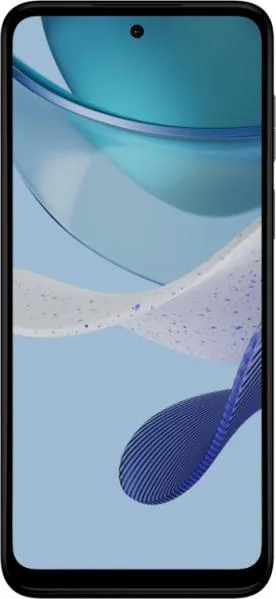
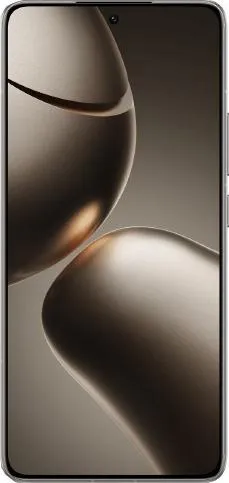
| Feature | Motorola Moto G (2023) | Xiaomi 14T Pro | Practical Impact |
|---|---|---|---|
| Design | |||
| Dimensions (mm) | 164 x 75 x 8.4 | 160.4 x 75.1 x 8.4 | Xiaomi 14T Pro is slightly shorter and narrower. Negligible difference in daily use. |
| Weight (g) | 189 | 209 | Xiaomi 14T Pro is noticeably heavier, potentially impacting one-handed use. |
| Build | Unspecified | Unspecified | Build quality and materials cannot be compared without further information. |
| Display | |||
| Display Type | IPS LCD, 120Hz | AMOLED, 144Hz | Xiaomi's AMOLED offers significantly better contrast, colors, and power efficiency. Higher refresh rate provides smoother animations. |
| Size (inches) | 6.5 | 6.67 | Xiaomi offers a slightly larger screen. |
| Resolution | 720 x 1600 | 1220 x 2712 | Xiaomi boasts a much sharper display with significantly higher pixel density, resulting in crisper text and images. |
| Brightness | Unspecified | Up to 4000 nits (peak) | Xiaomi's display will be far more visible in direct sunlight. Missing peak brightness for Moto G limits comparison. |
| HDR | No | HDR10+, Dolby Vision | Xiaomi supports HDR content for a wider dynamic range and richer colors in supported media. |
| Performance | |||
| Chipset | Snapdragon 480+ 5G (8nm) | Dimensity 9300+ (4nm) | Xiaomi has a vastly more powerful and efficient processor, leading to significantly better performance in demanding tasks and gaming. |
| CPU | Octa-core (2x2.2 GHz Kryo 460 & 6x1.8 GHz Kryo 460) | Octa-core (1x3.4 GHz Cortex-X4 & 3x2.85 GHz Cortex-X4 & 4x2.0 GHz Cortex-A720) | Xiaomi's CPU offers significantly improved performance with faster clock speeds and a more modern architecture. |
| GPU | Adreno 619 | Immortalis-G720 MC12 | Xiaomi's GPU offers a substantial leap in graphics performance for gaming and demanding applications. |
| RAM | 4GB | 12GB | Xiaomi offers significantly more RAM, enabling smoother multitasking and better performance with demanding applications. |
| Camera | |||
| Main Camera | 48MP, f/1.7 | 50MP, f/1.6, OIS | Xiaomi's main camera likely performs better in low light due to the wider aperture and Optical Image Stabilization (OIS). Sensor size information missing for Moto G limits comparison. |
| Ultrawide | Unspecified FOV | 12MP, f/2.2, 120° | Xiaomi offers an ultrawide lens, providing a wider field of view for capturing landscapes or group photos. |
| Telephoto | No | 50MP, f/2.0 | Xiaomi offers a dedicated telephoto lens for optical zoom capabilities, absent in the Moto G. |
| Video Recording | 1080p@30fps | Up to 8K@30fps | Xiaomi offers significantly higher video resolution and frame rate options. |
| Battery | |||
| Capacity | 5000 mAh | 5000 mAh | Similar battery capacities, but Xiaomi's more efficient processor likely results in better battery life. |
| Charging Speed | Unspecified | Unspecified | Charging speeds cannot be compared without further information. |
2. Key Differences Analysis
Xiaomi 14T Pro Advantages:
- Significantly superior performance: The Dimensity 9300+ and 12GB RAM offer a massive performance advantage for demanding tasks, multitasking, and gaming.
- Higher quality display: The AMOLED display with a higher resolution, refresh rate, and HDR support provides a vastly better visual experience.
- More versatile camera system: The inclusion of an ultrawide and telephoto lens, along with OIS and higher resolution video recording, significantly enhances photographic capabilities.
- More advanced connectivity: WiFi 7, Bluetooth 5.4, and NFC offer faster and more reliable connectivity options.
Motorola Moto G (2023) Advantages:
- Potentially lower price: Given its specifications, the Moto G is likely more affordable.
- Lighter weight: Makes it easier for one-handed use.
Trade-offs:
- Performance vs. Price: The Xiaomi 14T Pro offers significantly better performance but comes at a higher price.
- Features vs. Simplicity: The Xiaomi 14T Pro is packed with features, while the Moto G may appeal to users seeking a simpler experience.
3. User Profiles & Recommendations
Motorola Moto G (2023):
- Ideal User: Budget-conscious users who prioritize basic communication (calls, texts, web browsing) and light media consumption.
- Use Cases: Casual social media, web browsing, basic photography, light gaming.
Xiaomi 14T Pro:
- Ideal User: Power users, gamers, photography enthusiasts, and those who demand a premium display and overall performance.
- Use Cases: Demanding gaming, professional photography and videography, content creation, multitasking, media consumption with HDR.
4. Decision Framework
Key Questions for Buyers:
- What is your budget? The Xiaomi 14T Pro is significantly more expensive.
- What are your primary smartphone usage patterns? Consider your daily tasks and whether you need the extra performance and features of the Xiaomi.
- Which features are most important to you? Prioritize features like display quality, camera capabilities, performance, and battery life.
Scenario-Based Recommendations:
- Limited Budget: Motorola Moto G (2023)
- Prioritize Performance and Features: Xiaomi 14T Pro
- Balance of Price and Performance: Consider other mid-range options not included in this comparison.
My Choice: Xiaomi 14T Pro
While significantly more expensive, the Xiaomi 14T Pro offers a vastly superior user experience in almost every aspect. The performance difference alone is substantial, and the improvements in display, camera, and connectivity make it a much more compelling device for my needs. I prioritize a smooth, responsive user experience, high-quality media consumption, and excellent photography capabilities, all of which the 14T Pro delivers. The higher price is justified by the significant jump in quality and features. While the Moto G (2023) serves its purpose as a budget device, the compromises in performance and features are too significant for me to consider.
