
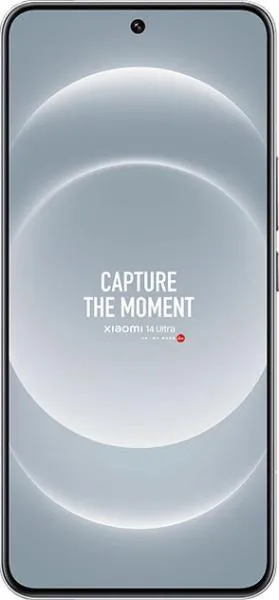
1. Specifications Comparison
| Feature | Motorola Moto G (2023) | Xiaomi 14 Ultra | Practical Impact |
|---|---|---|---|
| Design | |||
| Dimensions (mm) | 164 x 75 x 8.4 | 161.4 x 75.3 x 9.2 | Xiaomi 14 Ultra is slightly shorter, narrower, but thicker and noticeably heavier. Moto G (2023) is more pocketable. |
| Weight (g) | 189 | 229.5 | Significant weight difference; Moto G (2023) is much lighter for comfortable one-handed use. |
| Build | Unspecified | Unspecified | Build quality and materials unknown for both, limiting comparison. |
| Display | |||
| Display Type | IPS LCD, 120Hz | LTPO AMOLED, 120Hz | Xiaomi offers superior contrast, deeper blacks, and potentially better power efficiency due to LTPO. Brighter outdoors. |
| Display Size (inches) | 6.5 | 6.73 | Xiaomi offers a slightly larger screen for media consumption. |
| Resolution | 720 x 1600 | 1440 x 3200 | Significantly sharper and more detailed visuals on the Xiaomi with much higher pixel density. |
| Peak Brightness | Unspecified | 3000 nits | Xiaomi's display will be far more visible in direct sunlight. Missing Moto G brightness limits comparison. |
| Performance | |||
| Chipset | Snapdragon 480+ 5G | Snapdragon 8 Gen 3 | Massive performance difference. Xiaomi will handle demanding tasks and gaming far better. |
| CPU | Octa-core (2x2.2 GHz Kryo 460 & 6x1.8 GHz Kryo 460) | Octa-core (1x3.3 GHz Cortex-X4 & 3x3.2 GHz Cortex-A720 & 2x3.0 GHz Cortex-A720 & 2x2.3 GHz Cortex-A520) | Xiaomi's CPU offers significantly higher clock speeds and a more powerful architecture for faster processing. |
| RAM | 4GB | 16GB | Xiaomi offers much more RAM, enabling smoother multitasking and preventing app closures in the background. |
| GPU | Adreno 619 | Adreno 750 | Xiaomi's GPU offers significantly better graphics performance for gaming and demanding applications. |
| Camera | |||
| Main Camera | 48MP | 50MP (1-inch sensor) | Xiaomi boasts a larger sensor, promising superior low-light performance and depth of field. |
| Video Recording | 1080p@30fps | Up to 8K@30fps | Xiaomi offers substantially higher resolution video recording capabilities. |
| Camera Features | Basic | Advanced (Leica lens, OIS, variable aperture) | Xiaomi offers significantly more advanced camera features for professional-grade photography and videography. |
| Battery | |||
| Capacity | 5000 mAh | 5000 mAh | Similar battery capacity, but real-world battery life will depend on software optimization and display efficiency. Xiaomi's brighter, higher resolution display will likely consume more power. |
| Charging Speed | Unspecified | Unspecified | Charging speed comparison impossible without specific data. |
2. Key Differences Analysis
Xiaomi 14 Ultra Advantages:
- Significantly superior performance: Snapdragon 8 Gen 3, 16GB RAM, Adreno 750 GPU provide flagship-level speed and responsiveness.
- Advanced Camera System: Larger sensor, Leica optics, variable aperture, OIS, and 8K video recording.
- High-Quality Display: Sharper, brighter AMOLED with HDR10+ and Dolby Vision support.
Motorola Moto G (2023) Advantages:
- Lighter and More Compact: Easier for one-handed use and portability.
- Lower Price: Significantly more affordable.
3. User Profiles & Recommendations
Xiaomi 14 Ultra: Power users, photography enthusiasts, content creators, gamers, those who demand the best display and performance.
Motorola Moto G (2023): Budget-conscious users, casual users prioritizing affordability and portability over top-tier specs, individuals seeking a reliable basic smartphone.
4. Decision Framework
Key Questions:
- What is your budget? The Xiaomi is considerably more expensive.
- What are your primary smartphone usage patterns? (e.g., gaming, photography, social media, basic communication).
- Do you prioritize performance and features or affordability and portability?
My Choice:
I would choose the Xiaomi 14 Ultra. While significantly more expensive, the performance, camera, and display quality are in a different league. The Snapdragon 8 Gen 3 and 16GB RAM future-proof the device for several years. The advanced camera system with its 1-inch sensor and Leica lens makes it a compelling choice for photography enthusiasts. As someone who values a high-quality display and smooth performance, the Xiaomi's superior AMOLED and powerful hardware are major draws. While the Moto G (2023) offers excellent value for its price, it's ultimately a compromise on performance and features. I am willing to pay the premium for a significant upgrade in overall experience.
