1. Specifications Comparison
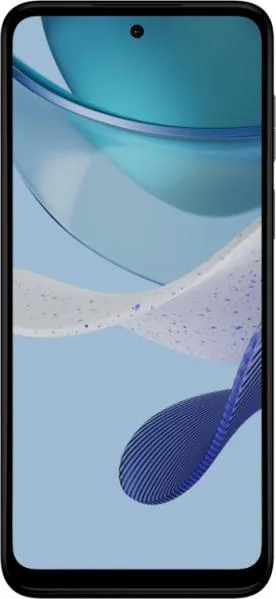
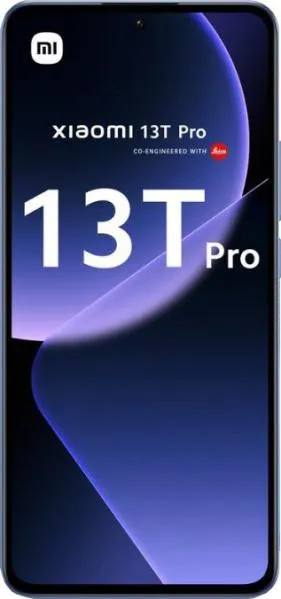
| Feature | Motorola Moto G (2023) | Xiaomi 13T Pro | Practical Impact |
|---|---|---|---|
| Design | |||
| Dimensions (mm) | 164 x 75 x 8.4 | 162.2 x 75.7 x 8.5 | Virtually identical in size and feel. |
| Weight (g) | 189 | 200 | Negligible weight difference in daily use. |
| Build | Not specified | Not specified | Build quality and materials cannot be compared. |
| Display | |||
| Display Type | IPS LCD, 120Hz | AMOLED, 144Hz | Xiaomi offers a significantly superior display with vibrant colors, deeper blacks, and smoother scrolling due to AMOLED technology and higher refresh rate. Potential for better outdoor visibility with higher peak brightness (2600 nits vs unspecified). |
| Display Size (inches) | 6.5 | 6.67 | Slightly larger screen on the Xiaomi provides more immersive content consumption. |
| Resolution | 720 x 1600 | 1220 x 2712 | Much sharper and more detailed visuals on the Xiaomi due to significantly higher resolution. |
| PPI | 270 | 446 | Xiaomi's display is noticeably crisper, especially for text and images. |
| HDR | No HDR specified | HDR10+, Dolby Vision | Xiaomi offers superior dynamic range and color accuracy in HDR content. |
| Performance | |||
| Chipset | Snapdragon 480+ 5G (8 nm) | Dimensity 9200+ (4 nm) | Xiaomi boasts a vastly more powerful processor resulting in significantly faster performance in demanding tasks, gaming, and multitasking. |
| CPU | Octa-core (2x2.2 GHz Kryo 460 & 6x1.8 GHz Kryo 460) | Octa-core (1x3.35 GHz Cortex-X3 & 3x3.0 GHz Cortex-A715 & 4x2.0 GHz Cortex-A510) | Xiaomi's CPU architecture offers superior performance with higher clock speeds and a more powerful core configuration. |
| GPU | Adreno 619 | Immortalis-G715 MC11 | Xiaomi provides a drastically better gaming and graphics rendering experience due to a much more capable GPU. |
| RAM | 4GB | 12GB | Xiaomi offers significantly more RAM, enabling smoother multitasking and better performance with multiple apps open. |
| Camera | |||
| Main Camera | 48MP | 50MP (Sony IMX707) | Xiaomi likely offers better image quality with a larger sensor and potentially better low-light performance. |
| Video Recording | 1080p@30fps | 8K@24fps | Xiaomi offers significantly higher video resolution and frame rate options, including 8K recording. |
| Camera Features | Basic features | Advanced features including OIS, 960fps slow-motion | Xiaomi provides more advanced camera features for greater creative control and higher quality video recording. |
| Battery | |||
| Capacity | 5000 mAh | 5000 mAh | Similar battery capacity, but real-world battery life will depend on software optimization and usage patterns. |
| Charging Speed | Not specified | Not specified | Cannot compare charging speeds without more data. |
2. Key Differences Analysis
Motorola Moto G (2023) Advantages:
- Potentially Lower Price: Likely more budget-friendly than the Xiaomi 13T Pro.
Xiaomi 13T Pro Advantages:
- Significantly Superior Performance: Much faster processor, GPU, and more RAM for smooth multitasking and demanding tasks.
- Much Better Display: AMOLED technology, higher resolution, refresh rate, and HDR support for a vastly improved visual experience.
- More Advanced Camera System: Higher resolution sensors, 8K video recording, and advanced features like OIS.
- More comprehensive Connectivity: WiFi 7, Bluetooth 5.4 and broader 5G band support.
3. User Profiles & Recommendations
Motorola Moto G (2023): Budget-conscious users who prioritize basic functionality for calling, texting, and light web browsing. Not recommended for gaming, demanding apps, or media consumption.
Xiaomi 13T Pro: Users who demand high performance, a premium display, and advanced camera capabilities. Ideal for gamers, power users, and content creators.
4. Decision Framework
Key Questions for Buyers:
- What is your budget? The Moto G is likely significantly cheaper.
- What are your primary use cases? Basic tasks vs. demanding apps, gaming, and media consumption.
- How important is display and camera quality? The Xiaomi offers a substantial upgrade in both areas.
My Choice: Xiaomi 13T Pro
The Xiaomi 13T Pro is the clear winner for me. While the Moto G (2023) might appeal to extremely budget-conscious buyers, the 13T Pro offers a vastly superior user experience in almost every aspect. The significantly improved performance, stunning AMOLED display, advanced camera system, and future-proof connectivity make it a much more compelling device. Even without knowing the exact price difference, the performance and feature gap justifies the higher cost for most users who prioritize a smooth, enjoyable smartphone experience. The Moto G (2023) feels significantly compromised in comparison.
