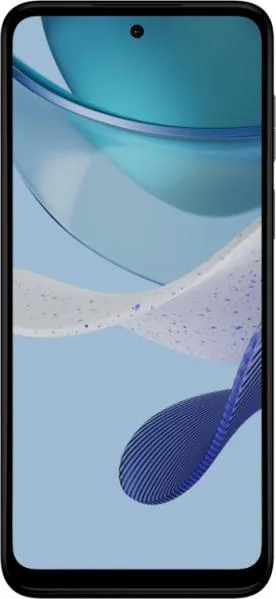
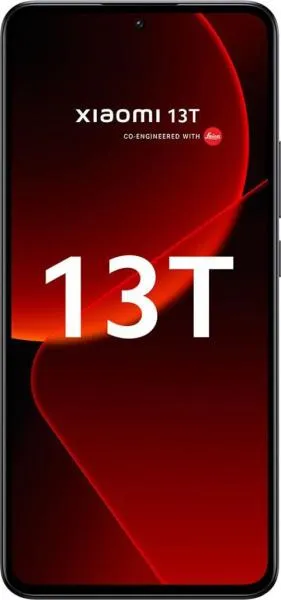
1. Specifications Comparison
| Feature | Motorola Moto G (2023) | Xiaomi 13T | Practical Impact |
|---|---|---|---|
| Design | |||
| Dimensions (mm) | 164 x 75 x 8.4 | 162.2 x 75.7 x 8.5 | Virtually identical in size and feel. |
| Weight (g) | 189 | 210 | Xiaomi 13T is noticeably heavier, potentially impacting one-handed use. |
| Build Materials | Not specified | Not specified | Cannot compare build quality and durability. |
| Display | |||
| Display Type | IPS LCD | AMOLED | Xiaomi 13T offers significantly better contrast, deeper blacks, and more vibrant colors. |
| Display Size (inches) | 6.5 | 6.67 | Xiaomi 13T offers slightly more screen real estate. |
| Resolution | 720 x 1600 | 1220 x 2712 | Xiaomi 13T boasts much sharper visuals due to significantly higher resolution. |
| Refresh Rate (Hz) | 120 | 144 | Xiaomi 13T provides smoother animations and scrolling, though the difference might not be noticeable for all users. |
| Peak Brightness (nits) | Not specified | 2600 | Xiaomi 13T's superior peak brightness ensures better visibility in direct sunlight. Missing data for Moto G makes direct comparison impossible. |
| Performance | |||
| Chipset | Snapdragon 480+ 5G | Dimensity 8200 Ultra | Xiaomi 13T offers significantly faster processing speeds, enabling smoother multitasking and demanding gaming. |
| CPU | Octa-core (2x2.2 GHz & 6x1.8 GHz) | Octa-core (1x3.1 GHz & 3x3.0 GHz & 4x2.0 GHz) | Xiaomi 13T has a more powerful CPU architecture resulting in noticeably better performance. |
| GPU | Adreno 619 | Mali-G610 MC6 | Xiaomi 13T's GPU delivers superior graphics performance for gaming and visually intensive tasks. |
| RAM (GB) | 4 | 12 | Xiaomi 13T's larger RAM enables smoother multitasking and handling of more demanding applications. |
| Camera | |||
| Main Camera (MP) | 48 | 50 | Both offer high megapixel counts, but sensor quality and processing play a larger role in image quality, which cannot be fully assessed with the provided data. Xiaomi utilizes a known high-quality Sony sensor. |
| Other Cameras | Macro, Selfie | Telephoto, Wide Angle, Selfie | Xiaomi 13T offers greater versatility with its telephoto and wide-angle lenses. |
| Video Recording | 1080p@30fps | Up to 4K@30fps | Xiaomi 13T offers superior video recording capabilities with higher resolution and frame rate options. |
| Battery | |||
| Capacity (mAh) | 5000 | 5000 | Similar battery capacities, but real-world battery life depends on optimization and usage patterns, which cannot be determined from this data. |
2. Key Differences Analysis
Xiaomi 13T Advantages:
- Superior Display: AMOLED with higher resolution, refresh rate, and peak brightness provides a significantly better viewing experience.
- Significantly Faster Performance: The Dimensity 8200 Ultra chipset, coupled with more RAM, offers a substantial performance advantage for demanding tasks and gaming.
- More Versatile Camera System: Telephoto and wide-angle lenses offer more shooting options.
- Higher Quality Video Recording: 4K recording capability provides more detailed videos.
Motorola Moto G (2023) Advantages:
- Potentially Lower Price: Given its specifications, it's likely to be more affordable. (Specific pricing information would be needed to confirm.)
- Lighter Weight: Slightly lighter, potentially more comfortable for extended use.
3. User Profiles & Recommendations
Motorola Moto G (2023): Ideal for budget-conscious users who prioritize basic functionality – calling, texting, web browsing, and light social media usage.
Xiaomi 13T: Suitable for users who demand high performance for gaming, content creation, and consuming multimedia. Also a good choice for photography enthusiasts due to its versatile camera system.
4. Decision Framework
Key Questions for Buyers:
- What is your budget? The Moto G (2023) is likely more affordable.
- What are your primary smartphone usage patterns? For basic tasks, the Moto G might suffice. For demanding tasks and gaming, the Xiaomi 13T is significantly better.
- How important is display and camera quality to you? The Xiaomi 13T offers a dramatically better display and a more versatile camera system.
My Choice: Xiaomi 13T
While lacking specific pricing information, the Xiaomi 13T's substantial performance, display, and camera advantages make it the clear winner for me. I prioritize a smooth user experience, high-quality visuals, and the versatility of a robust camera system. The slightly higher weight is a minor trade-off for the significant gains in other areas. Even if the Xiaomi 13T is more expensive, the value proposition seems significantly stronger based on the available information. The Moto G (2023) might be a good option for extremely budget-conscious buyers, but I would personally invest in the better overall experience offered by the Xiaomi 13T.
