1. Specifications Comparison
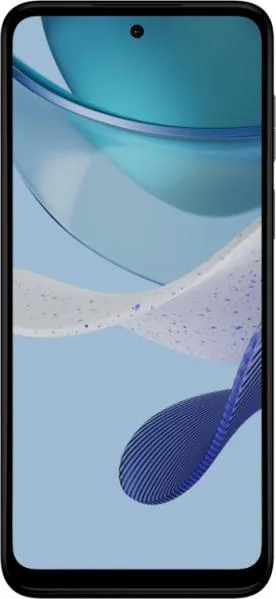
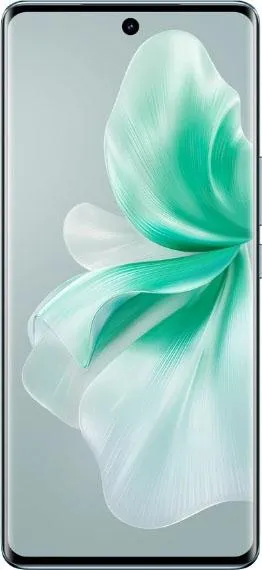
| Feature | Motorola Moto G (2023) | vivo V30 | Practical Impact |
|---|---|---|---|
| Design | |||
| Dimensions (mm) | 164 x 75 x 8.4 | 164.4 x 75.1 x 7.5 | Vivo V30 slightly taller, almost identical width and thinner. Negligible difference in hand feel. |
| Weight (g) | 189 | 186 | Virtually identical weight; no noticeable difference in handling. |
| Build Material | Not specified | Not specified | Cannot compare build quality and durability without material information. |
| Display | |||
| Display Type | IPS LCD, 120Hz | AMOLED, 1B colors, HDR10+, 120Hz | Vivo V30 offers significantly better contrast, color accuracy, and potentially higher brightness with AMOLED and HDR10+. Moto G has a smooth 120Hz refresh rate, but visual quality will be noticeably better on the Vivo. |
| Display Size | 6.5" | 6.78" | Vivo V30 has a larger display, providing more immersive content consumption. |
| Resolution | 720 x 1600 (270 ppi) | 1260 x 2800 (453 ppi) | Vivo V30 boasts much sharper visuals due to higher resolution and pixel density. Text and images will appear clearer and more detailed. |
| Performance | |||
| Chipset | Snapdragon 480+ 5G (8 nm) | Snapdragon 7 Gen 3 (4 nm) | Vivo V30 with the Snapdragon 7 Gen 3 will offer significantly faster performance, smoother multitasking, and better gaming capabilities compared to the Moto G (2023)'s Snapdragon 480+. |
| CPU | Octa-core (2x2.2 GHz Kryo 460 & 6x1.8 GHz Kryo 460) | Octa-core (1x2.63 GHz Cortex-A715 & 3x2.4 GHz Cortex-A715 & 4x1.8 GHz Cortex-A510) | Vivo V30 has a more powerful and modern CPU architecture, resulting in a noticeably smoother and faster user experience. |
| RAM | 4GB | 8GB | Vivo V30's 8GB RAM enables superior multitasking and smoother performance, especially with demanding apps and games. |
| OS | Android 13 | Android 14 (upgradable to 16) | Vivo V30 runs a newer Android version with longer software support, guaranteeing security updates and new features for a longer period. |
| Camera | |||
| Main Camera | 48MP, f/1.7 | 50MP, f/1.88, OIS | Vivo V30 likely has better low-light performance and sharper images thanks to OIS (Optical Image Stabilization). Sensor specifications suggest improved image quality on the Vivo V30. |
| Selfie Camera | 8MP, f/2.0 | 50MP, f/2.0 | Vivo V30 has a significantly higher resolution selfie camera, capturing much more detailed self-portraits. |
| Video Recording | 1080p@30fps | 4K@30fps with EIS, 1080p@30fps with EIS | Vivo V30 offers superior video recording capabilities with 4K resolution and Electronic Image Stabilization (EIS) for smoother footage. |
| Battery | |||
| Capacity | 5000 mAh | 5000 mAh | Similar battery capacity, but actual battery life depends on software optimization and hardware efficiency. |
2. Key Differences Analysis
Motorola Moto G (2023) Advantages:
- Potentially Lower Price: Likely more affordable than the Vivo V30.
vivo V30 Advantages:
- Superior Display: AMOLED with HDR10+ offers vastly improved visual quality.
- Significantly Faster Performance: Snapdragon 7 Gen 3 and more RAM deliver a much smoother experience.
- Better Camera System: Higher resolution sensors, OIS, and 4K video recording.
- Longer Software Support: Newer Android version with guaranteed updates to Android 16.
- NFC: Enables contactless payments and other NFC functionalities.
3. User Profiles & Recommendations
Motorola Moto G (2023):
- Budget-conscious users: Prioritize affordability over high-end features.
- Basic smartphone users: Primarily use their phone for calling, texting, and light web browsing.
vivo V30:
- Performance-oriented users: Value smooth multitasking, gaming, and responsive performance.
- Photography enthusiasts: Appreciate high-quality cameras for capturing photos and videos.
- Users who prioritize display quality: Desire vibrant colors, deep blacks, and sharp visuals.
- Users who need long-term software updates: Want a phone that receives security and feature updates for several years.
4. Decision Framework
Key Questions for Buyers:
- What is your budget? The Moto G (2023) is likely significantly cheaper.
- What are your primary smartphone usage patterns? Basic tasks vs. demanding apps and multimedia consumption.
- How important are display quality, camera capabilities, and long-term software updates?
My Choice: vivo V30
While the price difference might be significant, the vivo V30 offers a substantial upgrade in almost every aspect that matters for a good user experience. The superior display, significantly faster performance, better camera system, longer software support, and inclusion of NFC make it a much more compelling device for the long term. The Moto G (2023) only wins on potential price, but the compromises in other areas are too significant to ignore unless budget is extremely tight. The Vivo V30 provides a much more future-proof and enjoyable smartphone experience.
