1. Specifications Comparison
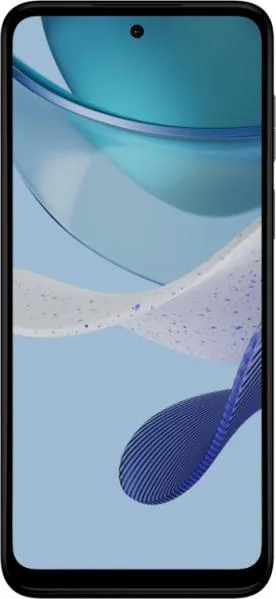
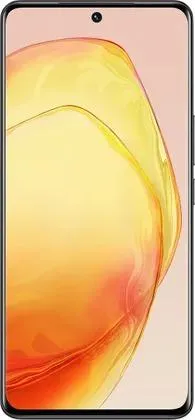
| Feature | Motorola Moto G (2023) | vivo V29 | Practical Impact |
|---|---|---|---|
| Design | |||
| Dimensions (mm) | 164 x 75 x 8.4 | 164.2 x 74.4 x 7.5 | Vivo V29 is slightly thinner and narrower. Negligible difference in daily use. |
| Weight (g) | 189 | 186 | Virtually identical weight; no noticeable difference in hand. |
| Build Materials | Not specified | Not specified | Cannot compare build quality and durability without more information. |
| Display | |||
| Display Type | IPS LCD, 120Hz | AMOLED, 1B colors, 120Hz, HDR10+ | Vivo V29 offers significantly better contrast, color accuracy, and HDR support resulting in a more vibrant and immersive viewing experience. |
| Display Size (inches) | 6.5 | 6.78 | Vivo V29 provides a larger screen for media consumption and multitasking. |
| Resolution | 720 x 1600 | 1260 x 2800 | Vivo V29 boasts much sharper visuals due to higher resolution (270 ppi vs 453 ppi). |
| Performance | |||
| Chipset | Snapdragon 480+ 5G | Snapdragon 778G 5G | Vivo V29 has a significantly more powerful processor, leading to smoother performance in demanding tasks and gaming. |
| CPU | Octa-core (2x2.2 GHz Kryo 460 & 6x1.8 GHz Kryo 460) | Octa-core (1x2.4 GHz Cortex-A78 & 3x2.2 GHz Cortex-A78 & 4x1.9 GHz Cortex-A55) | Vivo's CPU architecture offers superior performance compared to the Moto G's. |
| GPU | Adreno 619 | Adreno 642L | Vivo V29 offers a notably more powerful GPU, enabling smoother gaming and faster graphics rendering. |
| RAM | 4GB | 8GB | Vivo V29's larger RAM allows for better multitasking and app switching without slowdowns. |
| Camera | |||
| Main Camera | 48MP | 50MP | While Vivo has slightly higher resolution, the practical difference in image quality likely depends more on sensor quality and software processing, which are not fully specified. |
| Front Camera | 8MP | 50MP | Vivo V29 boasts a significantly better selfie camera with much higher resolution. |
| Video Recording | 1080p@30fps | 4K@30fps, 1080p@30fps | Vivo V29 allows for higher resolution video recording (4K). |
| Battery | |||
| Capacity | 5000 mAh | 4600 mAh | Moto G has a larger battery capacity, potentially offering longer battery life. However, real-world battery life depends on many factors, including screen type and processor efficiency. |
| Other | |||
| NFC | No | Yes | Vivo V29 supports contactless payments and data transfer via NFC. |
| OS Updates | Up to Android 13 | Up to Android 16 | Vivo V29 will receive longer software updates and security patches. |
2. Key Differences Analysis
Motorola Moto G (2023) Advantages:
- Potentially longer battery life: Larger battery capacity suggests potential for longer usage between charges.
- Lower price: Generally more affordable than the Vivo V29.
vivo V29 Advantages:
- Superior display: AMOLED with HDR10+ offers a drastically better visual experience.
- Significantly better performance: More powerful chipset and GPU for smoother operation and gaming.
- Higher resolution cameras: Potentially better image quality, particularly for selfies.
- 4K video recording: Enables higher quality video capture.
- NFC: Supports contactless payments.
- Longer software support: Guaranteed updates to Android 16.
3. User Profiles & Recommendations
Motorola Moto G (2023): Budget-conscious users who prioritize basic functionality, long battery life, and reliable communication. Ideal for:
- Casual users primarily using their phone for calls, texting, and light web browsing.
- Users on a tight budget.
vivo V29: Users who value a premium multimedia experience, smooth performance, excellent camera capabilities, and future-proof software. Ideal for:
- Mobile gamers.
- Photography enthusiasts.
- Users who consume a lot of media on their phones.
- Users who prioritize having the latest software and features.
4. Decision Framework
Key Questions for Buyers:
- What is your budget? The Moto G is a budget-friendly option, while the Vivo V29 is a mid-range device.
- What are your primary phone usage patterns? For basic tasks, the Moto G may suffice. For demanding tasks and media consumption, the Vivo V29 is better suited.
- Which features are most important to you? Prioritize features like battery life, display quality, performance, camera capabilities, and software updates.
My Choice: vivo V29
While the Moto G (2023) offers a larger battery and lower price, the vivo V29 provides a significantly more compelling overall package. The superior AMOLED display, vastly improved performance, better cameras, NFC functionality, and longer software support outweigh the potential benefits of the Moto G. The price difference is justifiable considering the substantial upgrades the Vivo V29 offers. In today's smartphone landscape, a good display and consistently smooth performance are crucial for a satisfying user experience, and the Vivo V29 delivers on both fronts.
