1. Specifications Comparison
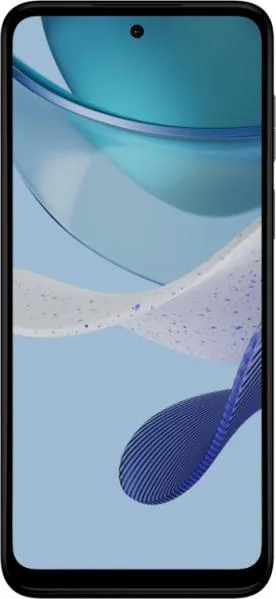
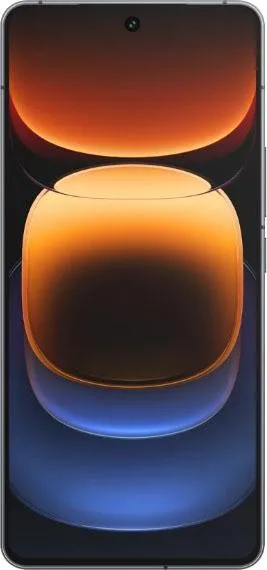
| Feature | Motorola Moto G (2023) | vivo iQOO 12 | Practical Impact |
|---|---|---|---|
| Design | |||
| Dimensions (mm) | 164 x 75 x 8.4 | 163.2 x 75.9 x 8.1 | iQOO 12 slightly smaller and thinner |
| Weight (g) | 189 | 198.5 | iQOO 12 slightly heavier but negligible in real-world use |
| Build | Not specified | Not specified | Build quality comparison not possible |
| Display | |||
| Display Type | IPS LCD, 120Hz | LTPO AMOLED, 1B colors, 144Hz, HDR10+ | iQOO 12 offers significantly better contrast, color accuracy, higher peak brightness, and smoother scrolling thanks to AMOLED and higher refresh rate. HDR10+ provides better dynamic range in supported content. |
| Display Size (inches) | 6.5 | 6.78 | iQOO 12 has a larger display, providing more immersive content consumption. |
| Resolution | 720 x 1600 | 1260 x 2800 | iQOO 12 offers much sharper visuals due to significantly higher resolution. |
| PPI | 270 | 453 | iQOO 12's higher pixel density results in crisper text and images. |
| Performance | |||
| Chipset | Snapdragon 480+ 5G (8 nm) | Snapdragon 8 Gen 3 (4 nm) | iQOO 12 boasts a vastly more powerful processor, enabling significantly smoother multitasking, gaming, and demanding applications. |
| CPU | Octa-core (2x2.2 GHz Kryo 460 & 6x1.8 GHz Kryo 460) | Octa-core (1x3.3 GHz Cortex-X4 & 3x3.2 GHz Cortex-A720 & 2x3.0 GHz Cortex-A720 & 2x2.3 GHz Cortex-A520) | iQOO 12's CPU architecture offers superior performance across all tasks. |
| GPU | Adreno 619 | Adreno 750 | iQOO 12 has a significantly more powerful GPU, resulting in a dramatically better gaming and graphics-intensive tasks experience. |
| RAM | 4GB | 16GB | iQOO 12's substantially larger RAM enables seamless multitasking and app switching. |
| Camera | |||
| Main Camera | 48MP | 50MP (Omnivision OV50H) | iQOO 12's main camera likely performs better in low light and offers more detail due to larger sensor size (information incomplete for Moto G 2023). |
| Other Cameras | 2MP Macro, 8MP Selfie | 50MP Wide Angle, 64MP Telephoto, 16MP Selfie | iQOO 12 offers significantly more versatile camera options with wide-angle, telephoto, and a higher resolution selfie camera. |
| Video Recording | 1080p@30fps | Up to 8K@30fps | iQOO 12 offers vastly superior video recording capabilities with much higher resolution and frame rate options. |
| Battery | |||
| Capacity | 5000 mAh | 5000 mAh | Similar battery capacity, but real-world battery life will depend on software optimization and display power consumption. iQOO 12's more demanding display may result in similar or even less battery life despite the same capacity. |
| Charging Speed | Not specified | Not specified | Charging speed comparison not possible |
2. Key Differences Analysis
Motorola Moto G (2023) Advantages:
- Lower price: Expected to be significantly cheaper.
vivo iQOO 12 Advantages:
- Significantly superior performance: Much faster processor, GPU, and ample RAM.
- Much better display: Higher resolution AMOLED with HDR10+ and higher refresh rate.
- More versatile camera system: Includes wide-angle and telephoto lenses, higher resolution sensors.
- More advanced features: NFC for contactless payments.
3. User Profiles & Recommendations
Motorola Moto G (2023): Budget-conscious users who prioritize basic functionality (calling, texting, web browsing) and light media consumption.
vivo iQOO 12: Users who demand top-tier performance for gaming, demanding applications, and multimedia consumption. Photography enthusiasts will also appreciate the versatile camera system.
4. Decision Framework
Key Questions:
- What is your budget?
- What are your primary smartphone usage patterns?
- Which features are most important to you (performance, camera, display)?
Scenario-Based Recommendations:
- Tight budget, basic usage: Motorola Moto G (2023)
- Demand performance and premium features: vivo iQOO 12
My Choice: vivo iQOO 12
While the Motorola Moto G (2023) offers a budget-friendly option, the vivo iQOO 12 provides a vastly superior overall experience. The significant performance difference, the superior display quality, the versatile camera system, and the inclusion of NFC make it a much more compelling device for my needs. I prioritize a smooth and responsive user experience, high-quality visuals, and the ability to run demanding applications and games, all of which the iQOO 12 excels at. While price is a factor, the substantial upgrade in features and performance justifies the higher cost for me.
