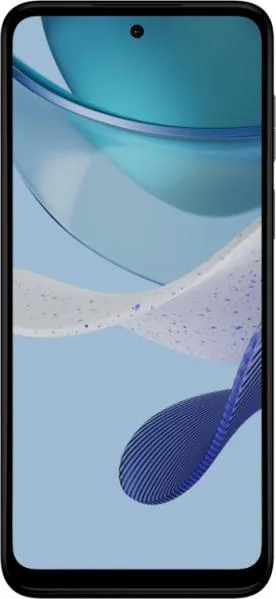
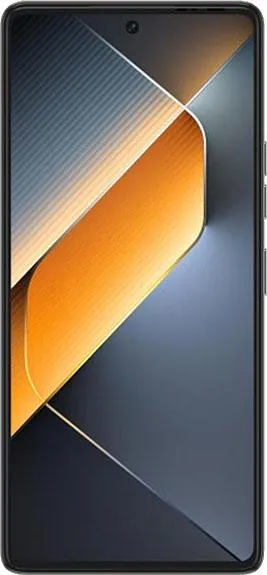
1. Specifications Comparison
| Feature | Motorola Moto G (2023) | Tecno Pova 6 Pro | Practical Impact |
|---|---|---|---|
| Design | |||
| Dimensions (mm) | 164 x 75 x 8.4 | 165.5 x 76.1 x 7.9 | Pova 6 Pro slightly larger, thinner |
| Weight (g) | 189 | 198 | Pova 6 Pro slightly heavier |
| Build | Unspecified | Unspecified | Build quality comparison impossible without more data |
| Display | |||
| Display Type | IPS LCD | AMOLED | AMOLED offers deeper blacks, vibrant colors, and potentially better power efficiency. |
| Display Size (inches) | 6.5 | 6.78 | Pova 6 Pro offers a larger viewing area for media consumption. |
| Resolution | 720 x 1600 (HD+) | 1080 x 2460 (FHD+) | Pova 6 Pro significantly sharper and more detailed. |
| Refresh Rate (Hz) | 120 | 120 | Both offer smooth scrolling and animations. |
| Peak Brightness (nits) | Unspecified | 1300 | Pova 6 Pro likely more visible in sunlight. Missing Moto G brightness limits comparison. |
| Performance | |||
| Chipset | Snapdragon 480+ 5G | Dimensity 6080 | Dimensity 6080 generally offers better performance in demanding tasks and gaming. |
| CPU | Octa-core (2x2.2 GHz & 6x1.8 GHz) | Octa-core (2x2.4 GHz & 6x2.0 GHz) | Pova 6 Pro has a slightly faster CPU, potentially resulting in quicker app loading and multitasking. |
| GPU | Adreno 619 | Mali-G57 MC2 | Mali-G57 MC2 generally provides a better gaming experience. |
| RAM | 4GB | 12GB (reviewed variant) | Pova 6 Pro's substantially larger RAM enables significantly better multitasking and prevents app closures in the background. |
| Camera | |||
| Main Camera | 48MP | 108MP | Pova 6 Pro boasts higher resolution, potentially capturing more detail. Image quality depends on factors beyond resolution. |
| Front Camera | 8MP | 32MP | Pova 6 Pro offers significantly higher resolution for selfies. |
| Video Recording | 1080p@30fps | Up to 1440p@30fps, 1080p@60fps | Pova 6 Pro offers higher resolution and frame rate options for video recording. |
| Battery | |||
| Capacity (mAh) | 5000 | 6000 | Pova 6 Pro likely offers longer battery life. |
| Charging Speed | Unspecified | Unspecified | Charging speed comparison impossible without more data. |
| Other | |||
| NFC | No | Yes | Pova 6 Pro enables contactless payments and data transfer. |
| Operating System | Android 13 | Android 14 | Pova 6 Pro comes with a newer OS version, offering potential feature and security updates. Future OS updates for Moto G are unknown. |
2. Key Differences Analysis
Moto G (2023) Advantages:
- Potentially Lower Price: While exact pricing varies, the Moto G series generally targets a lower price point within the "medium price" range.
Tecno Pova 6 Pro Advantages:
- Superior Display: AMOLED with higher resolution and brightness.
- Significantly Better Performance: More powerful processor, GPU, and substantially more RAM.
- Enhanced Camera System: Higher resolution main and selfie cameras, better video recording capabilities.
- Larger Battery: Potentially longer battery life.
- NFC: Enables contactless payments.
- Newer OS: Android 14.
Trade-offs:
- Price: Pova 6 Pro is likely more expensive.
- Brand Recognition: Motorola enjoys wider brand recognition and potentially better customer support in some regions.
3. User Profiles & Recommendations
Moto G (2023): Budget-conscious users who prioritize basic functionality (calling, texting, web browsing) and light app usage.
Tecno Pova 6 Pro: Users who value performance, a high-quality display, a versatile camera system, and long battery life for demanding tasks, gaming, and media consumption.
4. Decision Framework
Key Questions for Buyers:
- What is your budget?
- What are your primary smartphone usage patterns?
- Which features are most important to you (e.g., display, performance, camera, battery life)?
Scenario-Based Recommendations:
- Limited Budget, Basic Usage: Moto G (2023)
- Balanced Needs, Good Value: Moto G (2023) if significantly cheaper, otherwise Pova 6 Pro.
- Demanding User, Power User, Gamer: Tecno Pova 6 Pro
My Choice: Tecno Pova 6 Pro
While pricing wasn't directly comparable in the provided data (different storage configurations), the Tecno Pova 6 Pro offers substantial advantages in nearly every key area: display, performance, camera, battery, and features like NFC. The significantly larger RAM (12GB vs 4GB) is a major differentiator for multitasking and overall user experience. Even with a potentially higher price, the Pova 6 Pro likely provides better value for users who want a capable and future-proof device. The Moto G (2023) might be a suitable choice for extremely budget-conscious buyers with basic needs, but the Pova 6 Pro's superior specifications make it the clear winner for most users.
