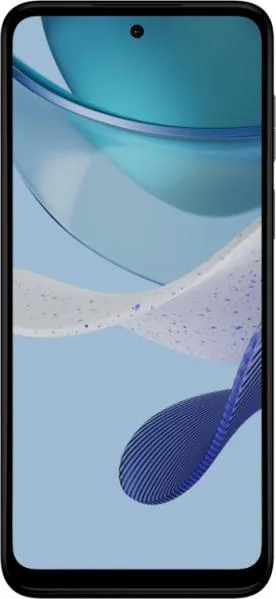
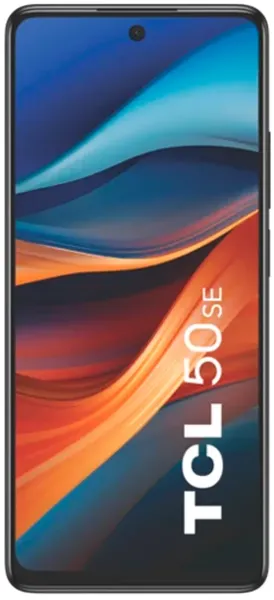
1. Specifications Comparison
| Feature | Motorola Moto G (2023) | TCL 50 SE | Practical Impact |
|---|---|---|---|
| Design | |||
| Dimensions (mm) | 164 x 75 x 8.4 | 168.2 x 75.5 x 8.1 | TCL 50 SE is slightly larger and heavier. |
| Weight (g) | 189 | 195 | Negligible weight difference in practical use. |
| Display | |||
| Size (inches) | 6.5 | 6.78 | TCL 50 SE offers a larger screen for media consumption. |
| Resolution (px) | 720 x 1600 | 1080 x 2460 | TCL 50 SE has a significantly sharper and more detailed display. |
| Refresh Rate (Hz) | 120 | 90 | Moto G (2023) offers smoother scrolling and animations, though the difference might not be noticeable for all users. |
| PPI | 270 | 396 | TCL 50 SE's higher pixel density results in sharper text and images. |
| Performance | |||
| Chipset | Snapdragon 480+ 5G | MediaTek Helio G88 | Both are budget chipsets, but Snapdragon 480+ generally offers better power efficiency and 5G connectivity. |
| CPU | Octa-core (2x2.2 GHz Kryo 460 & 6x1.8 GHz Kryo 460) | Octa-core (2x2.0 GHz Cortex-A75 & 6x1.8 GHz Cortex-A55) | Performance differences will likely be minimal in everyday tasks. |
| RAM (GB) | 4 | 6 | TCL 50 SE has more RAM, potentially enabling better multitasking. Although the provided specs only mention 4GB for TCL, its "phoneVersions" indicates a 6GB/256GB version. |
| Camera | |||
| Main Camera (MP) | 48 | 50 | TCL 50 SE boasts slightly higher resolution, but image quality depends on factors beyond megapixel count. |
| Front Camera (MP) | 8 | 8 | Same resolution; practical selfie quality will depend on sensor and software processing, which are not fully detailed here. |
| Video Recording | 1080p@30fps | 1080p@30fps | Both offer basic video recording capabilities. |
| Battery | |||
| Capacity (mAh) | 5000 | 5010 | Negligible difference in battery capacity. Real-world battery life depends on usage patterns and software optimization. |
| Other | |||
| NFC | No | Yes | TCL 50 SE supports contactless payments and data transfer via NFC. |
| OS | Android 13 | Android 14 | TCL 50 SE comes with a newer Android version, offering potential feature and security updates. |
| Price Range | Medium | Medium | While both are mid-range, the specific prices within that range are crucial for determining value. Provided prices show significant variation depending on retailer and storage configuration. |
2. Key Differences Analysis
Motorola Moto G (2023) Advantages:
- Smoother Display: 120Hz refresh rate provides a more fluid user experience.
- 5G Connectivity: Offers faster mobile data speeds in areas with 5G coverage.
- Potentially Lower Price: Depending on the specific configuration, the Moto G (2023) could be more affordable.
TCL 50 SE Advantages:
- Sharper Display: Higher resolution and pixel density deliver a significantly better visual experience.
- Larger Display: Provides more screen real estate for multimedia and multitasking.
- More RAM: 6GB RAM allows for smoother multitasking and app switching. Note: this assumes the 6GB/256GB version is being compared.
- NFC: Enables contactless payments and other NFC functionalities.
- Newer Android Version: Offers the latest features and security updates.
3. User Profiles & Recommendations
Motorola Moto G (2023): Budget-conscious users who prioritize 5G connectivity and a smooth display over absolute screen sharpness. Ideal for:
- Casual users: Web browsing, social media, basic gaming.
- Users in areas with strong 5G coverage: Taking advantage of faster download and streaming speeds.
TCL 50 SE: Users who value a large, sharp display and prioritize multimedia consumption. Ideal for:
- Media enthusiasts: Watching videos, playing games, browsing photos.
- Users who multitask frequently: Switching between apps seamlessly.
- Users who rely on contactless payments: Utilizing NFC for transactions.
4. Decision Framework
Key Questions for Buyers:
- Is 5G connectivity a priority? If yes, the Moto G (2023) is the clear choice.
- How important is display quality? If a sharp, large display is crucial, the TCL 50 SE is superior.
- What is your budget? Compare specific prices for the desired storage configurations before making a decision.
My Choice: TCL 50 SE
While the Moto G (2023) offers 5G and a smoother refresh rate, the TCL 50 SE's significantly better display (sharper and larger), larger RAM, NFC functionality, and newer Android version make it a more compelling overall package for me. I prioritize display quality and future-proofing through software updates, and the TCL 50 SE delivers in those areas. The slightly larger size isn't a significant drawback for me. The lack of specific pricing makes a definitive value judgment difficult, but assuming similar price points within the "medium" range, the TCL 50 SE offers more for the money.
