1. Specifications Comparison
| Feature | Motorola Moto G (2023) | Sony Xperia 1 V | Practical Impact |
|---|---|---|---|
| Design | |||
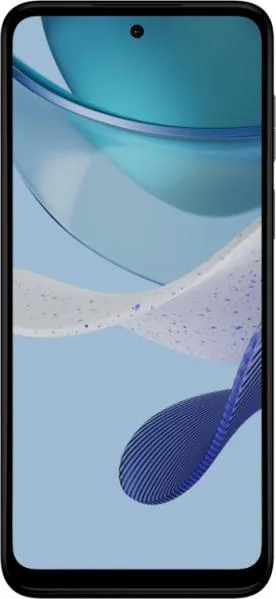
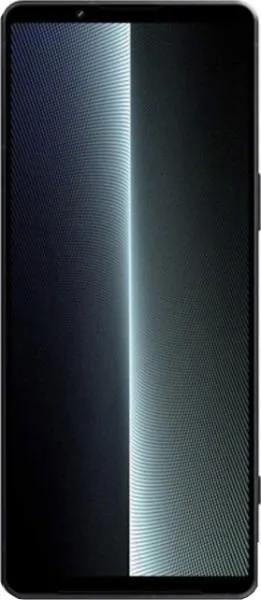
| Dimensions (mm) | 164 x 75 x 8.4 | 165 x 71 x 8.3 | Xperia 1 V is slightly narrower and thinner. |
| Weight (g) | 189 | 187 | Negligible weight difference. |
| Build | Not specified | Not specified | Build quality and materials cannot be compared. |
| Display | |||
| Display Type | IPS LCD, 120Hz | OLED, 1B colors, 120Hz | Xperia 1 V offers superior contrast, deeper blacks, and potentially brighter colors due to OLED technology. |
| Size (inches) | 6.5 | 6.5 | Same screen size. |
| Resolution | 720 x 1600 | 1644 x 3840 | Xperia 1 V has a significantly sharper display with much higher pixel density (643 ppi vs 270 ppi). Impacts clarity and detail in images and text. |
| Refresh Rate (Hz) | 120 | 120 | Both offer smooth scrolling and animations thanks to the 120Hz refresh rate. |
| Performance | |||
| Chipset | Snapdragon 480+ 5G | Snapdragon 8 Gen 2 | Xperia 1 V uses a flagship processor, resulting in significantly faster performance for demanding tasks, gaming, and multitasking. |
| CPU | Octa-core (2x2.2 GHz & 6x1.8 GHz) | Octa-core (1x3.2 GHz & 2x2.8 GHz & 2x2.8 GHz & 3x2.0 GHz) | Xperia 1 V boasts superior CPU clock speeds and architecture, leading to significantly faster processing. |
| GPU | Adreno 619 | Adreno 740 | Xperia 1 V has a much more powerful GPU, enabling smoother gaming and faster graphics rendering. |
| RAM | 4GB | 12GB | Xperia 1 V offers significantly more RAM for seamless multitasking and app switching. 4GB on the Moto G might lead to performance limitations with multiple apps open. |
| Camera | |||
| Rear Camera | 48MP Main, 2MP Macro | 48MP Main, 12.2MP Wide, 12MP Telephoto | Xperia 1 V offers more versatile camera setup with wide-angle and telephoto lenses. |
| Front Camera | 8MP | 12MP | Xperia 1 V likely produces higher-resolution selfies. |
| Video Recording | 1080p@30fps | Up to 4K@120fps with HDR, OIS, EIS | Xperia 1 V allows for significantly higher resolution and frame rate video recording with advanced stabilization. |
| Battery | |||
| Capacity (mAh) | 5000 | 5000 | Same battery capacity. Actual battery life depends on usage and optimization. |
2. Key Differences Analysis
Motorola Moto G (2023) Advantages:
- Lower Price: Significantly more affordable.
Sony Xperia 1 V Advantages:
- Flagship Performance: Much faster processor, GPU, and more RAM.
- Superior Display: Higher resolution, OLED technology.
- Versatile Camera System: Wide-angle and telephoto lenses, advanced video recording capabilities.
- Premium Features: NFC for contactless payments.
Trade-offs:
- Price: The Xperia 1 V is significantly more expensive.
- Moto G (2023): Compromises on performance, display quality, and camera versatility for affordability.
3. User Profiles & Recommendations
Motorola Moto G (2023):
- Ideal User: Budget-conscious users who prioritize basic functionality: calling, texting, web browsing, social media.
- Use Cases: Casual everyday use, light gaming, social media consumption.
Sony Xperia 1 V:
- Ideal User: Power users, mobile gamers, photography enthusiasts, content creators. Users who demand top-tier performance and premium features.
- Use Cases: Demanding mobile gaming, professional photography/videography, multitasking, content creation.
4. Decision Framework
Key Questions:
- What is your budget? The Moto G is significantly cheaper.
- What are your primary smartphone usage patterns? Basic use vs. demanding tasks.
- Which features are most important to you? Performance, camera, display quality.
Scenario-Based Recommendations:
- Limited Budget: Moto G (2023)
- Best Performance: Sony Xperia 1 V
- Best Camera: Sony Xperia 1 V
- Best Display: Sony Xperia 1 V
My Choice: Sony Xperia 1 V
While significantly more expensive, the Sony Xperia 1 V offers a vastly superior user experience across the board. The flagship-level performance, stunning display, versatile camera system, and premium features justify the higher price for my needs. I prioritize a smooth and responsive experience, high-quality visuals, and the ability to handle demanding tasks and mobile gaming. The Moto G (2023), while a solid budget option, compromises too much in these areas. The long-term value and enjoyment I would derive from the Xperia 1 V outweigh the price difference for me.
