1. Specifications Comparison
| Feature | Motorola Moto G (2023) | Samsung Galaxy Z Fold5 | Practical Impact |
|---|---|---|---|
| Design | |||
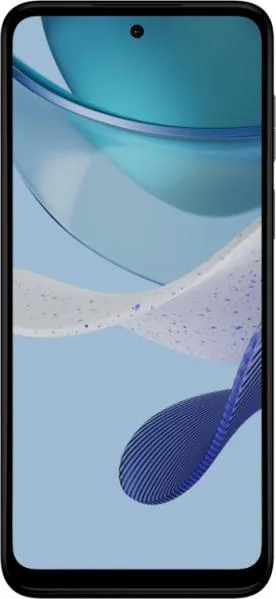
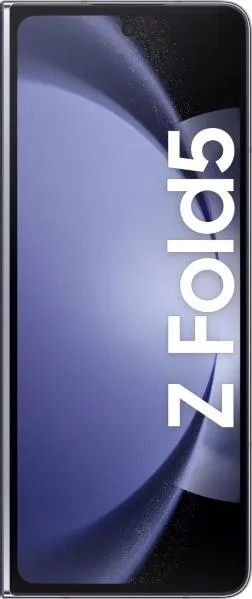
| Dimensions (mm) | 164 x 75 x 8.4 | 154.9 x 129.9 x 6.1 (folded) | Fold5 significantly more compact when folded, but thicker. Moto G is a traditional candybar design. |
| Weight (g) | 189 | 253 | Fold5 noticeably heavier due to folding mechanism and larger display. |
| Foldable | No | Yes | Fold5 offers a larger screen in a pocketable size and unique multitasking capabilities. Moto G is more traditional. |
| Display | |||
| Display Type | IPS LCD, 120Hz | Foldable Dynamic AMOLED 2X, 120Hz, HDR10+ | Fold5 boasts superior contrast, brightness, and color accuracy with HDR10+ support. Moto G's LCD is less vibrant. |
| Size (inches) | 6.5 | 7.6 (main), 6.2 (cover) | Fold5 offers a significantly larger main display for immersive content consumption. Moto G has a standard size. |
| Resolution | 720 x 1600 | 2176 x 1812 (main), 2316 x 904 (cover) | Fold5 has much sharper displays due to higher resolution. Moto G's display is noticeably less sharp. |
| PPI | 270 | 373 (main), 401 (cover) | Fold5 displays are significantly sharper and more detailed. |
| Refresh Rate (Hz) | 120 | 120 | Both phones offer smooth scrolling and animations thanks to the high refresh rate. |
| Performance | |||
| Chipset | Snapdragon 480+ 5G | Snapdragon 8 Gen 2 | Fold5 offers vastly superior processing power for demanding tasks and gaming. Moto G is suited for basic usage. |
| CPU | Octa-core (2x2.2 GHz & 6x1.8 GHz) | Octa-core (1x3.36 GHz & 2x2.8 GHz & 2x2.8 GHz & 3x2.0 GHz) | Fold5 has a much faster and more efficient CPU architecture. |
| RAM (GB) | 4 | 12 | Fold5 offers significantly more RAM for multitasking and demanding applications. |
| Camera | |||
| Rear Camera | 48MP Main, 2MP Macro | 50MP Main, 12MP Ultrawide, 10MP Telephoto | Fold5 features a more versatile camera system with higher resolution sensors and optical zoom. |
| Video Recording | 1080p@30fps | 8K@30fps | Fold5 capable of significantly higher resolution video recording. |
| Battery | |||
| Capacity (mAh) | 5000 | 4400 | Moto G has a larger battery capacity, potentially offering longer battery life for basic usage. Fold5's larger, higher resolution display will consume more power. |
2. Key Differences Analysis
Motorola Moto G (2023) Advantages:
- Lower Price: Significantly more affordable.
- Longer Battery Life (Potential): Larger battery capacity.
Samsung Galaxy Z Fold5 Advantages:
- Superior Performance: Significantly faster processor and more RAM.
- High-Quality Display: Foldable AMOLED with HDR10+ for vibrant visuals.
- Versatile Camera System: Multiple lenses including ultrawide and telephoto.
- Innovative Foldable Design: Larger screen real estate in a compact form factor.
- Premium Features: NFC, faster charging, newer Bluetooth and Wifi standards.
Trade-offs:
- Price: Fold5 is significantly more expensive.
- Battery Life: Fold5's battery may drain faster due to the demanding display.
- Durability: Foldable phones have more potential points of failure.
3. User Profiles & Recommendations
Moto G (2023): Budget-conscious users who prioritize basic communication, web browsing, and casual media consumption.
Fold5: Power users, multitaskers, content creators, and tech enthusiasts who value cutting-edge technology, top-tier performance, and a unique form factor.
4. Decision Framework
Key Questions:
- What is your budget?
- What are your primary smartphone usage patterns?
- Do you value innovation and cutting-edge technology or prioritize affordability and simplicity?
Scenario-Based Recommendations:
- Limited Budget, Basic Usage: Moto G (2023)
- Demanding Tasks, Multimedia Consumption, Innovation: Fold5
My Choice: Samsung Galaxy Z Fold5
While the Moto G (2023) offers good value for its price, the Samsung Galaxy Z Fold5 is the clear winner for me. The foldable design, superior performance, stunning display, and versatile camera system are compelling. I value the ability to multitask efficiently, consume content on a large, high-quality screen, and capture high-quality photos and videos. While the price is significantly higher, the Fold5 offers a transformative user experience that justifies the premium. The Snapdragon 8 Gen 2's significantly improved performance over the Snapdragon 480+, coupled with the massive RAM difference, makes the Fold5 a future-proof choice for demanding applications and multitasking. The larger, brighter, sharper AMOLED screen is crucial for media consumption and productivity. Ultimately, the Fold5's innovative features and premium experience align better with my needs and preferences.
