1. Specifications Comparison
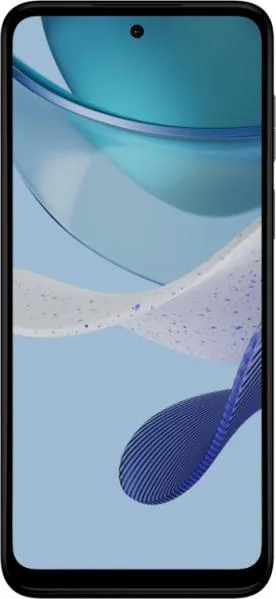
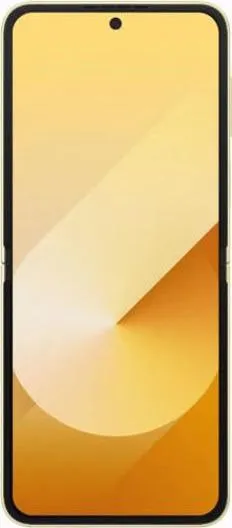
| Feature | Motorola Moto G (2023) | Samsung Galaxy Z Flip6 | Practical Impact |
|---|---|---|---|
| Design | |||
| Dimensions (mm) | 164 x 75 x 8.4 | 165.1 x 71.9 x 6.9 | Z Flip6 is slightly smaller and significantly thinner due to its foldable design. |
| Weight (g) | 189 | 187 | Negligible weight difference. |
| Foldable | No | Yes | Z Flip6 offers portability and a unique form factor. Moto G (2023) is a traditional slab phone. |
| Display | |||
| Display Type | IPS LCD, 120Hz | Foldable Dynamic AMOLED 2X, 120Hz | Z Flip6's AMOLED offers significantly better contrast, colors, and viewing angles. Its foldable nature allows for unique interactions and a smaller footprint when closed. |
| Size (inches) | 6.5 | 6.7 | Z Flip6 has a slightly larger screen. |
| Resolution | 720 x 1600 | 1080 x 2640 | Z Flip6 boasts a much sharper and more detailed display. |
| Refresh Rate (Hz) | 120 | 120 | Both offer smooth scrolling and animations. |
| Performance | |||
| Chipset | Snapdragon 480+ 5G (8 nm) | Snapdragon 8 Gen 3 (4 nm) | Z Flip6's 8 Gen 3 provides significantly faster processing, smoother multitasking, and better gaming performance. |
| CPU | Octa-core (2x2.2 GHz & 6x1.8 GHz) | Octa-core (1x3.39 GHz & 3x3.1 GHz & 2x2.9 GHz & 2x2.2 GHz) | Z Flip6 has a much more powerful CPU architecture leading to a substantial performance gap. |
| RAM (GB) | 4 | 12 | Z Flip6's 12GB RAM allows for effortless multitasking and app switching compared to the Moto G (2023)'s 4GB. |
| Camera | |||
| Rear Camera | 48MP Main, 2MP Macro | 50MP Main, 12MP Wide Angle | Z Flip6 offers a versatile camera system with a wider field of view, likely better image quality due to the superior processing power, and OIS. Moto G (2023) lacks OIS and a dedicated wide-angle lens. |
| Selfie Camera | 8MP | 10MP | Minor difference in resolution. Z Flip6 likely benefits from better image processing. |
| Video Recording | 1080p@30fps | Up to 4K@60fps, 720p@960fps | Z Flip6 offers superior video recording capabilities with higher resolution, frame rates, and slow-motion options. |
| Battery | |||
| Capacity (mAh) | 5000 | 4000 | Moto G (2023) has a larger battery capacity, potentially offering longer battery life. However, Z Flip6's more efficient processor might offset this difference. Real-world battery life depends heavily on usage patterns. |
2. Key Differences Analysis
Motorola Moto G (2023) Advantages:
- Lower Price: Significantly more affordable.
- Larger Battery: Potentially longer battery life.
Samsung Galaxy Z Flip6 Advantages:
- Significantly Higher Performance: Much faster processor, more RAM, smoother overall experience.
- Superior Display: Brighter, sharper, more vibrant AMOLED display with better viewing angles.
- Foldable Design: Unique form factor, increased portability.
- More Versatile Camera System: Higher resolution main camera, wide-angle lens, optical image stabilization (OIS), superior video recording capabilities.
- More Premium Features: NFC for contactless payments.
3. User Profiles & Recommendations
Motorola Moto G (2023):
- Budget-conscious users who prioritize affordability.
- Users with basic smartphone needs like calling, texting, web browsing, and social media.
- Users who prioritize long battery life.
Samsung Galaxy Z Flip6:
- Users who value performance and a premium experience.
- Users who want a unique, compact, and stylish device.
- Content creators and photographers who need a versatile camera system.
- Users who utilize NFC for mobile payments and other contactless applications.
4. Decision Framework
Key Questions for Buyers:
- What is your budget? The Moto G (2023) is a budget-friendly option, while the Z Flip6 is a premium device.
- What are your performance needs? For demanding tasks and gaming, the Z Flip6 is significantly better.
- Do you value portability and a unique design? The Z Flip6's foldable design offers both.
My Choice: Samsung Galaxy Z Flip6
While the Motorola Moto G (2023) offers excellent value for its price, the Samsung Galaxy Z Flip6 is the superior device overall. Its foldable design, powerful performance, stunning display, and versatile camera system make it a more compelling choice. The higher price is justified by the significant jump in quality and features. For me, the combination of portability, performance, and a premium experience outweighs the longer potential battery life of the Moto G (2023). The Z Flip6's unique form factor also appeals to me. While price is a major factor, the long-term benefits and enjoyment I would get from the Z Flip6 make it the better investment in my opinion.
