1. Specifications Comparison
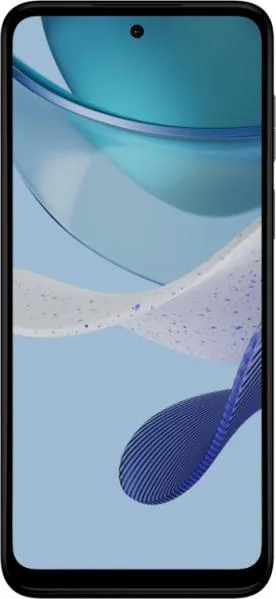
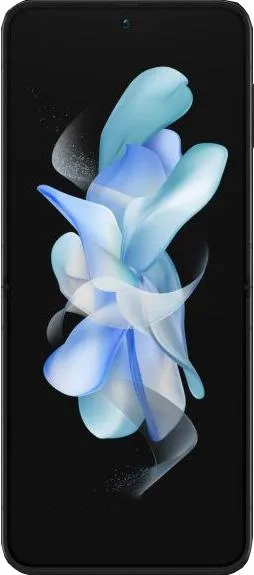
| Feature | Motorola Moto G (2023) | Samsung Galaxy Z Flip5 | Practical Impact |
|---|---|---|---|
| Design | |||
| Dimensions (mm) | 164 x 75 x 8.4 | 165.1 x 71.9 x 6.9 (folded) | Z Flip5 significantly more compact when folded, pocketable. Moto G is a standard candybar design. |
| Weight (g) | 189 | 187 | Negligible weight difference. |
| Foldable | No | Yes | Z Flip5's unique folding capability offers portability and style but introduces potential durability concerns. |
| Display | |||
| Display Type | IPS LCD, 120Hz | Foldable Dynamic AMOLED 2X, 120Hz, HDR10+ | Z Flip5 boasts superior contrast, vibrant colors, and higher peak brightness for better outdoor visibility thanks to AMOLED technology. HDR10+ provides a more dynamic viewing experience. |
| Display Size (inches) | 6.5 | 6.7 | Z Flip5 slightly larger; real-world difference minimal. |
| Resolution | 720 x 1600 | 1080 x 2640 | Z Flip5 significantly sharper and more detailed due to much higher resolution. |
| PPI | 270 | 425 | Z Flip5 noticeably sharper text and images. |
| Performance | |||
| Chipset | Snapdragon 480+ 5G | Snapdragon 8 Gen 2 | Z Flip5 dramatically faster and more powerful, enabling smooth multitasking, demanding gaming, and faster app loading. |
| CPU | Octa-core (2x2.2 GHz Kryo 460 & 6x1.8 GHz Kryo 460) | Octa-core (1x3.36 GHz Cortex-X3 & ...) | Z Flip5's flagship processor offers significant performance advantages. |
| RAM | 4GB | 8GB | Z Flip5 allows for more apps to run in the background without performance slowdowns. |
| Camera | |||
| Rear Camera | 48MP Main, 2MP Macro | 12MP Main, 12MP Wide Angle | While Moto G has higher megapixel count on the main sensor, Z Flip5's overall camera system is likely superior due to the faster processor, better image processing, and inclusion of a wide-angle lens. |
| Video Recording | 1080p@30fps | Up to 4K@60fps with HDR | Z Flip5 offers significantly higher resolution and frame rate video recording capabilities with HDR support for richer visuals. |
| Battery | |||
| Capacity | 5000 mAh | 3700 mAh | Moto G has a larger battery capacity, potentially offering longer battery life. However, Z Flip5's more efficient processor might offset this difference. Real-world battery life will depend on usage patterns. |
2. Key Differences Analysis
Motorola Moto G (2023) Advantages:
- Lower Price: Significantly more affordable.
- Larger Battery: Potentially longer battery life.
Samsung Galaxy Z Flip5 Advantages:
- Significantly More Powerful: Superior performance for demanding tasks and gaming.
- Higher Quality Display: Brighter, more vibrant, and sharper.
- More Versatile Camera System: Wide-angle lens and higher quality video recording.
- Foldable Design: Unique form factor for portability and style.
- NFC: Enables mobile payments and other contactless interactions.
Trade-offs:
- Z Flip5: Significantly more expensive; smaller battery capacity; foldable design introduces potential durability concerns.
- Moto G: Lower performance; less impressive display and camera; lacks premium features like NFC.
3. User Profiles & Recommendations
Moto G (2023): Budget-conscious users who prioritize basic functionality: calling, texting, web browsing, and light social media usage.
Z Flip5: Users who value cutting-edge technology, premium design, and top-tier performance. Ideal for power users, content creators, and those seeking a unique, stylish device.
4. Decision Framework
Key Questions:
- What is your budget? The Z Flip5 is significantly more expensive.
- What are your performance needs? For demanding tasks, the Z Flip5 is essential.
- Do you prioritize portability and style? The Z Flip5's foldable design is a key differentiator.
Scenario-Based Recommendations:
- Limited Budget, Basic Needs: Moto G (2023)
- Power User, High Budget: Z Flip5
- Prioritize Portability and Style: Z Flip5
My Choice: Samsung Galaxy Z Flip5
While the Moto G (2023) offers excellent value for its price, the Samsung Galaxy Z Flip5 is the clear winner for me. Its superior performance, stunning display, and unique foldable design outweigh the higher price and smaller battery. The Snapdragon 8 Gen 2 chip ensures a smooth and responsive user experience for years to come, and the compact folded size is incredibly appealing for portability. While the battery life is a concern, I am willing to compromise for the significant gains in other areas. The added benefit of NFC for mobile payments solidifies my decision. The Moto G is a great budget option, but the Z Flip5 offers a more future-proof and enjoyable overall experience.
