1. Specifications Comparison
| Feature | Motorola Moto G (2023) | Samsung Galaxy Tab S9 FE | Practical Impact |
|---|---|---|---|
| Design | |||
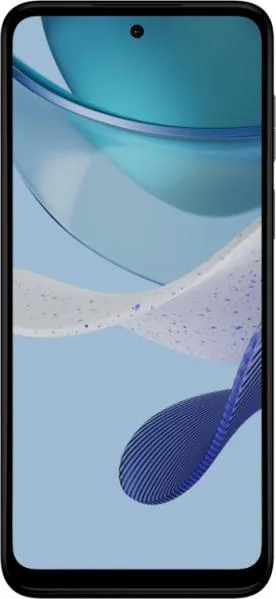
| Dimensions (mm) | 164 x 75 x 8.4 | 254.3 x 165.8 x 6.5 | Tab S9 FE significantly larger and heavier; Moto G pocketable, Tab S9 FE for home/office use. |
| Weight (g) | 189 | 523 | Tab S9 FE much heavier, less portable. |
| Display | |||
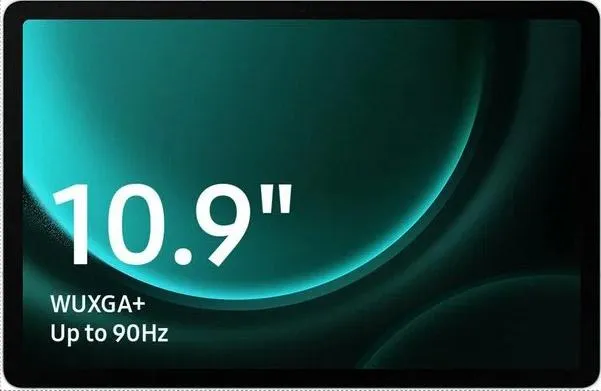
| Size (inches) | 6.5 | 10.9 | Tab S9 FE offers a much larger screen for media consumption and multitasking. |
| Resolution (px) | 720 x 1600 | 2304 x 1440 | Tab S9 FE has a sharper display despite lower PPI due to higher resolution; better for detail-oriented tasks. Moto G's lower resolution may appear pixelated to some. |
| PPI | 270 | 249 | Negligible real-world difference in sharpness at typical viewing distances given the screen sizes. |
| Refresh Rate (Hz) | 120 | 90 | Moto G's 120Hz offers smoother scrolling and animations. |
| Display Type | IPS LCD | IPS LCD | Similar color accuracy and viewing angles expected. No information on color depth or HDR capabilities for either device limits a full comparison. |
| Performance | |||
| Chipset | Snapdragon 480+ 5G | Exynos 1380 | Exynos 1380 is significantly more powerful, enabling smoother multitasking and better performance in demanding apps and games. |
| CPU | Octa-core (2x2.2 GHz...) | Octa-core (4x2.4 GHz...) | Exynos 1380's higher clock speeds and more powerful cores translate to noticeably faster performance. |
| GPU | Adreno 619 | Mali-G68 MP5 | Mali-G68 MP5 offers better graphics performance, important for gaming and graphically intensive applications. |
| RAM | 4GB | 6/8GB | More RAM in Tab S9 FE (depending on configuration) allows for better multitasking and app switching. |
| Camera | |||
| Rear Camera | 48MP Main, 2MP Macro | 13MP Main | Moto G boasts higher megapixel count on the Main sensor but lacks details on sensor size and pixel size, making a direct image quality comparison difficult. Tab S9 FE's single lens may limit versatility. |
| Front Camera | 8MP | 12MP | Tab S9 FE's front camera likely better for video calls and selfies due to higher resolution. |
| Video | 1080p@30fps | 4K@30fps, 1080p@30fps | Tab S9 FE capable of recording higher resolution video. |
| Battery | |||
| Capacity (mAh) | 5000 | 8000 | Tab S9 FE has significantly larger battery capacity, expected to provide much longer usage time given its larger display. |
2. Key Differences Analysis
Motorola Moto G (2023) Advantages:
- Portability: Significantly smaller and lighter, easier to carry and use one-handed.
- Higher Refresh Rate: Smoother display experience for scrolling and animations.
- Potentially Lower Price: Likely more affordable based on the "medium price" designation and available pricing data.
Samsung Galaxy Tab S9 FE Advantages:
- Larger Display: More immersive experience for media consumption, multitasking, and productivity.
- Higher Resolution: Sharper display for detailed tasks.
- More Powerful Performance: Handles demanding tasks and games with ease.
- Longer Battery Life: Significantly larger battery capacity.
- Better Front-Facing Camera: Higher resolution for video calls and selfies.
- Higher Resolution Video Recording: Can record in 4K.
3. User Profiles & Recommendations
Motorola Moto G (2023): Ideal for users who prioritize portability, affordability, and basic smartphone functionality. Suitable for:
- Students
- Budget-conscious buyers
- Users primarily using their phone for calling, texting, and social media
Samsung Galaxy Tab S9 FE: Ideal for users who prioritize a large screen for media consumption, productivity, and multitasking. Suitable for:
- Professionals who need a larger screen for work
- Students who need a device for note-taking and studying
- Users who enjoy watching videos and playing games on a larger screen
4. Decision Framework
Key Questions for Buyers:
- What is your budget? The Moto G (2023) is likely more affordable.
- What screen size do you prefer? Do you prioritize portability or a larger display?
- What will you primarily use the device for? Basic tasks or demanding applications and media consumption?
My Choice: Samsung Galaxy Tab S9 FE
While the Motorola Moto G (2023) offers excellent portability and a smooth display, the Samsung Galaxy Tab S9 FE is the better overall device for my needs. I prioritize a large, high-resolution display for productivity, media consumption, and multitasking. The significantly more powerful processor, larger battery, and better front-facing camera are compelling advantages. Although heavier and less portable, the Tab S9 FE better suits my use case as a portable workstation and entertainment device. The price difference is justifiable for the substantial performance and feature upgrades.
