1. Specifications Comparison
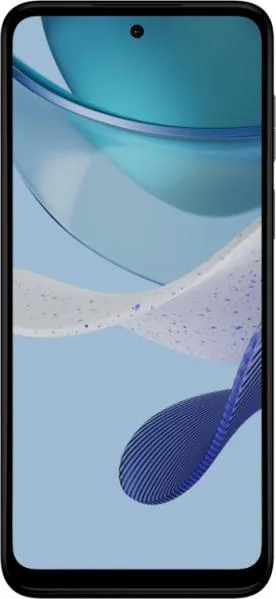
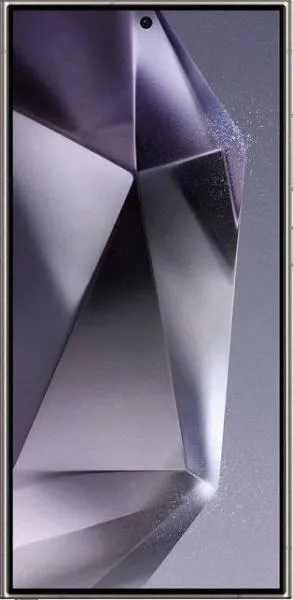
| Feature | Motorola Moto G (2023) | Samsung Galaxy S24 Ultra | Practical Impact |
|---|---|---|---|
| Design | |||
| Dimensions (mm) | 164 x 75 x 8.4 | 162.3 x 79 x 8.6 | S24 Ultra slightly shorter and narrower, but marginally thicker. Negligible difference in hand feel. |
| Weight (g) | 189 | 232 | Moto G significantly lighter, reducing hand fatigue during extended use. |
| Build Materials | Not specified | Not specified | Unable to compare build quality and durability. |
| Display | |||
| Display Type | IPS LCD, 120Hz | Dynamic LTPO AMOLED 2X, 120Hz | S24 Ultra offers superior contrast, deeper blacks, and potentially higher brightness with AMOLED technology. Both have smooth scrolling with 120Hz refresh rate. |
| Display Size (inches) | 6.5 | 6.8 | S24 Ultra provides a larger viewing area for media consumption. |
| Resolution | 720 x 1600 | 1440 x 3120 | S24 Ultra boasts much sharper visuals due to significantly higher resolution (almost 4x pixel density). |
| Peak Brightness (nits) | Not specified | 2600 | S24 Ultra's exceptional peak brightness ensures excellent outdoor visibility. Moto G's brightness is unknown. |
| Performance | |||
| Chipset | Snapdragon 480+ 5G | Snapdragon 8 Gen 3 | S24 Ultra dramatically outperforms in processing power and graphics rendering, enabling seamless multitasking, demanding gaming, and faster app loading. |
| CPU | Octa-core (2x2.2 GHz Kryo 460 & 6x1.8 GHz Kryo 460) | Octa-core (1x3.39GHz Cortex-X4 & 3x3.1GHz Cortex-A720 & 2x2.9GHz Cortex-A720 & 2x2.2GHz Cortex-A520) | S24 Ultra has a significantly more powerful and efficient CPU architecture. |
| GPU | Adreno 619 | Adreno 750 | S24 Ultra provides a substantial leap in graphics performance for gaming and visually intensive tasks. |
| RAM | 4GB | 12GB | S24 Ultra offers significantly more RAM for smoother multitasking and background app management. |
| Camera | |||
| Main Camera | 48MP | 200MP | S24 Ultra offers higher resolution and potentially better low-light performance. Practical differences in image quality depend on sensor size, processing algorithms, and other factors not specified for Moto G. |
| Video Recording | 1080p@30fps | Up to 8K@30fps | S24 Ultra supports significantly higher video resolution and frame rates. |
| Battery | |||
| Capacity | 5000 mAh | 5000 mAh | Similar battery capacity, but real-world battery life will depend on software optimization and power efficiency of each device. |
2. Key Differences Analysis
Moto G (2023) Advantages:
- Lighter weight: More comfortable for extended use.
- Lower price: Offers a budget-friendly option.
Samsung Galaxy S24 Ultra Advantages:
- Significantly higher performance: Handles demanding tasks and gaming with ease.
- Superior display: Brighter, sharper, and more vibrant visuals.
- More advanced camera system: Higher resolution sensors and more video recording capabilities.
- More Feature-rich: NFC for mobile payments and more advanced connectivity options.
Trade-offs:
- Price: The S24 Ultra is considerably more expensive.
- Weight: The S24 Ultra is heavier, potentially leading to hand fatigue.
3. User Profiles & Recommendations
Moto G (2023): Ideal for budget-conscious users who prioritize basic functionality: calling, texting, web browsing, and light social media use.
Samsung Galaxy S24 Ultra: Ideal for power users, gamers, photography enthusiasts, and those who demand the best performance and features. Excellent for content creation, multitasking, and demanding applications.
4. Decision Framework
Key Questions for Buyers:
- What is your budget? The Moto G is a budget option, while the S24 Ultra is a premium flagship.
- What are your primary use cases? Basic tasks vs. demanding applications and gaming.
- How important are display quality and camera performance? The S24 Ultra excels in these areas.
My Choice: Samsung Galaxy S24 Ultra
While the Moto G (2023) offers a budget-friendly option, the Samsung Galaxy S24 Ultra is the clear winner for me. The significantly superior performance, stunning display, advanced camera system, and feature-rich experience justify the higher price. I prioritize a smooth and powerful user experience, high-quality visuals for media consumption, and advanced camera capabilities for capturing photos and videos. The S24 Ultra delivers on all fronts. While the weight is a minor drawback, it's a trade-off I'm willing to make for the overall superior package. The longevity offered by the powerful hardware and expected software updates makes it a more valuable investment in the long run.
