1. Specifications Comparison
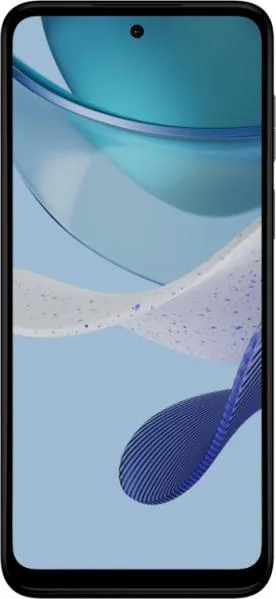
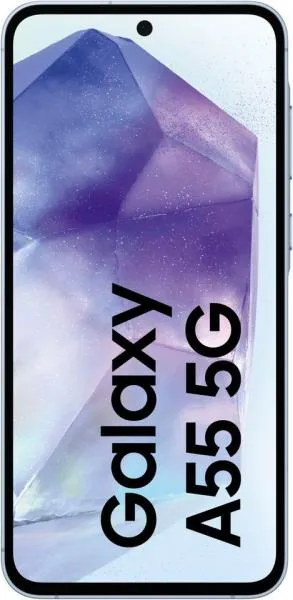
| Feature | Motorola Moto G (2023) | Samsung Galaxy A55 | Practical Impact |
|---|---|---|---|
| Design | |||
| Dimensions (mm) | 164 x 75 x 8.4 | 161.1 x 77.4 x 8.2 | A55 slightly smaller, thinner |
| Weight (g) | 189 | 213 | Moto G noticeably lighter |
| Build Material | Not specified | Not specified | Cannot compare build quality |
| Display | |||
| Display Type | IPS LCD, 120Hz | Super AMOLED, 120Hz, HDR10+ | A55 offers superior contrast, vibrant colors, and HDR support for better media consumption |
| Display Size (inches) | 6.5 | 6.6 | Negligible size difference |
| Resolution | 720 x 1600 | 1080 x 2340 | A55 significantly sharper, clearer text and images |
| PPI | 270 | ~400 | A55 much sharper; Moto G may show pixelation |
| Performance | |||
| Chipset | Snapdragon 480+ 5G (8 nm) | Exynos 1480 (4 nm) | A55 has a more powerful and efficient processor, leading to smoother multitasking and better performance in demanding apps |
| CPU | Octa-core (2x2.2 GHz Kryo 460 & 6x1.8 GHz Kryo 460) | Octa-core (4x2.75 GHz Cortex-A78 & 4x2.0 GHz Cortex-A55) | A55's CPU architecture offers significantly better performance |
| GPU | Adreno 619 | Xclipse 530 | A55 boasts superior graphics performance for gaming and visually intensive tasks |
| RAM | 4GB | 8GB/12GB | A55 offers more RAM for smoother multitasking and app switching |
| OS | Android 13 | Android 14 | A55 ships with a newer OS version, potentially offering more features and longer software support |
| Camera | |||
| Rear Camera | 48MP Main, 2MP Macro | 50MP Main (OIS), 13MP Ultrawide, 5MP Macro | A55 provides a more versatile camera system with optical image stabilization (OIS) for sharper images and an ultrawide lens |
| Front Camera | 8MP | 32MP | A55 offers a much higher resolution selfie camera |
| Video Recording | 1080p@30fps | 4K@30fps with EIS | A55 capable of recording higher resolution video with electronic image stabilization |
| Battery | |||
| Capacity | 5000 mAh | 5000 mAh | Similar battery capacity, but real-world battery life depends on optimization and usage |
| Charging Speed | Not specified | Not specified | Cannot compare charging speeds |
| Other | |||
| NFC | No | Yes | A55 supports contactless payments and data transfer via NFC |
2. Key Differences Analysis
Motorola Moto G (2023) Advantages:
- Lighter: Noticeably lighter, making it more comfortable for extended use.
- Potentially More Affordable: Depending on the specific variant and retailer, the Moto G might be cheaper.
Samsung Galaxy A55 Advantages:
- Superior Display: AMOLED technology, higher resolution, and HDR10+ support deliver a far better visual experience.
- Significantly Better Performance: More powerful processor, GPU, and more RAM translate to a smoother and more responsive user experience.
- More Versatile Camera System: OIS on the main camera, an ultrawide lens, and higher resolution sensors result in significantly better photos and videos.
- Newer Software with Longer Support: Ships with Android 14 and is likely to receive more software updates for longer.
- NFC Support: Enables contactless payments and other NFC functionalities.
3. User Profiles & Recommendations
Motorola Moto G (2023):
- Budget-conscious users: For users primarily focused on basic communication (calls, texts, browsing) and light app usage.
- Users prioritizing lightness: Its lighter weight makes it suitable for users who dislike heavy phones.
Samsung Galaxy A55:
- Users seeking a well-rounded experience: Offers a great balance of performance, camera quality, display, and features.
- Mobile gamers and multimedia enthusiasts: The powerful hardware and excellent display make it ideal for gaming and watching videos.
- Photography enthusiasts: The versatile camera system with OIS and ultrawide lens allows for capturing high-quality photos and videos.
- Users who value software updates and future-proofing: Likely to receive longer software support than the Moto G.
4. Decision Framework
Key Questions for Buyers:
- What is your budget? The Moto G is likely to be more affordable.
- What are your primary smartphone usage patterns? Basic communication vs. demanding apps, gaming, multimedia consumption.
- How important are camera quality, display quality, and performance? The A55 excels in these areas.
My Choice: Samsung Galaxy A55
While the Motorola Moto G (2023) offers a lighter weight and potential cost savings, the Samsung Galaxy A55 is a significantly better overall device. The superior display, significantly improved performance, more versatile camera system, newer software with longer update support, and NFC functionality make it a much more compelling choice for most users. The price difference is justifiable considering the substantial improvements in key areas that significantly impact the user experience. The A55 offers a more future-proof device that will likely provide a better experience over its lifespan.
