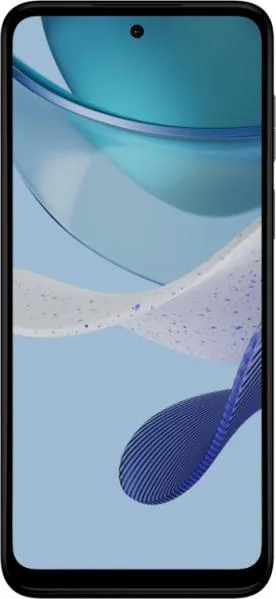
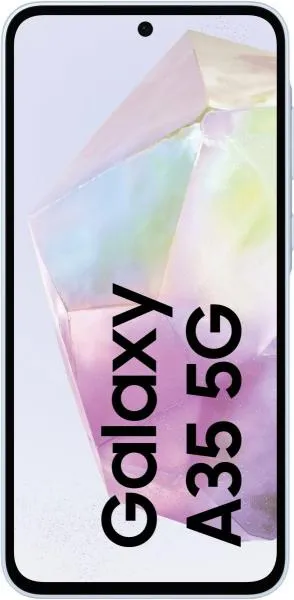
1. Specifications Comparison
| Feature | Motorola Moto G (2023) | Samsung Galaxy A35 | Practical Impact |
|---|---|---|---|
| Design | |||
| Dimensions (mm) | 164 x 75 x 8.4 | 161.7 x 78 x 8.2 | A35 slightly shorter and narrower, negligible difference in thickness. |
| Weight (g) | 189 | 209 | Moto G noticeably lighter, more comfortable for extended use. |
| Display | |||
| Display Type | IPS LCD, 120Hz | Super AMOLED, 120Hz | A35 offers significantly better contrast, deeper blacks, and potentially higher brightness, resulting in a superior viewing experience. |
| Size (inches) | 6.5 | 6.6 | Negligible difference in screen size. |
| Resolution | 720 x 1600 | 1080 x 2340 | A35 boasts much sharper visuals due to higher resolution (almost double the pixel density). Impacts clarity of text, images, and videos. |
| PPI | 270 | ~390 | Sharper and clearer images and text on the A35. |
| Performance | |||
| Chipset | Snapdragon 480+ 5G (8 nm) | Exynos 1380 (5 nm) | A35 significantly more powerful, enabling smoother multitasking, faster app loading, and better gaming performance. 5nm process also implies better power efficiency. |
| CPU | Octa-core (2x2.2 GHz Kryo 460 & 6x1.8 GHz Kryo 460) | Octa-core (4x2.4 GHz Cortex-A78 & 4x2.0 GHz Cortex-A55) | A35 has a more powerful and modern CPU architecture, leading to faster and more responsive performance. |
| GPU | Adreno 619 | Mali-G68 MP5 | A35 offers a more capable GPU, resulting in smoother graphics and improved gaming performance. |
| RAM | 4GB | 6GB/8GB | A35 offers more RAM, enabling better multitasking and preventing apps from closing in the background as frequently. |
| OS | Android 13 | Android 14 | A35 runs a newer version of Android, offering potential features and security updates not available on the Moto G. Long term OS support also appears better on the A35 (up to Android 18). |
| Camera | |||
| Main Camera | 48MP | 50MP | While megapixel count is similar, the A35 has optical image stabilization (OIS) leading to significantly better low-light photos and smoother videos. |
| Video Recording | 1080p@30fps | 4K@30fps | A35 capable of recording much higher resolution video. |
| Battery | |||
| Capacity | 5000 mAh | 5000 mAh | Similar battery capacity, though real-world battery life will depend on usage and the A35's more efficient processor. |
| Other | |||
| NFC | No | Yes | A35 supports contactless payments and data transfer via NFC. |
2. Key Differences Analysis
Motorola Moto G (2023) Advantages:
- Lighter: More comfortable for one-handed use and extended periods.
- Potentially Lower Price: Depending on specific retailer pricing.
Samsung Galaxy A35 Advantages:
- Significantly Better Display: AMOLED technology offers superior contrast, colors, and viewing angles. Higher resolution provides sharper visuals.
- Much More Powerful Performance: Faster processor, GPU, and more RAM translate to a smoother and more responsive user experience across all tasks.
- Superior Camera: OIS enables better low-light photos and videos. 4K video recording capability.
- Newer Android Version: Access to latest features and security updates, longer software support lifecycle.
- NFC: Enables contactless payments and other NFC functionalities.
3. User Profiles & Recommendations
Motorola Moto G (2023):
- Ideal User: Budget-conscious users who prioritize basic functionality (calls, texting, web browsing) and a lightweight design. Less demanding users who don't engage in heavy multitasking or gaming.
- Use Cases: Casual web browsing, social media, light photography, making calls and texting.
Samsung Galaxy A35:
- Ideal User: Users who value a high-quality display, smooth performance, a good camera, and the latest Android features. Suitable for moderate gaming, multitasking, and content consumption.
- Use Cases: Mobile gaming, content consumption (videos, photos), photography enthusiasts, multitasking, mobile payments.
4. Decision Framework
Key Questions for Buyers:
- What is your budget? The Moto G (2023) is likely more affordable.
- What are your primary smartphone usage patterns? For basic usage, the Moto G may suffice. For demanding tasks, the A35 is significantly better.
- Which features are most important to you? Prioritize display quality, performance, camera, or other specific features.
My Choice: Samsung Galaxy A35
While the Moto G (2023) offers a lighter design and potentially lower price, the Samsung Galaxy A35 provides a significantly better overall user experience. The superior AMOLED display, much faster performance thanks to the Exynos 1380 and increased RAM, the inclusion of OIS for the camera, NFC functionality, and longer software update support make it a much more compelling device for a slightly higher price. The performance difference alone would greatly impact daily usage, making the A35 a more future-proof choice. While subjective, the significantly sharper display would also drastically improve the viewing experience.
