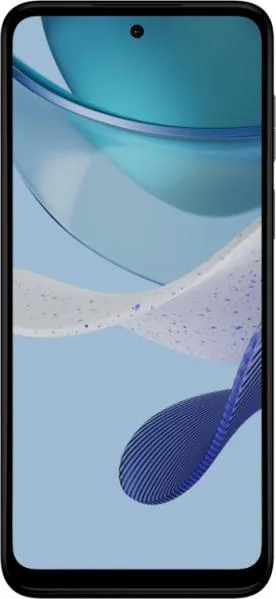
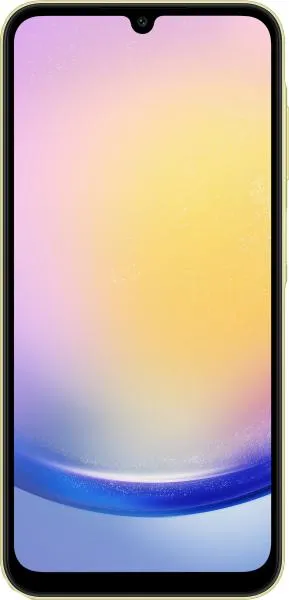
1. Specifications Comparison
| Feature | Motorola Moto G (2023) | Samsung Galaxy A15 | Practical Impact |
|---|---|---|---|
| Design | |||
| Dimensions (mm) | 164 x 75 x 8.4 | 160.1 x 76.8 x 8.4 | Virtually identical in size and thickness. |
| Weight (g) | 189 | 200 | Negligible weight difference in hand. |
| Display | |||
| Display Type | IPS LCD, 120Hz | Super AMOLED, 90Hz | AMOLED offers richer colors, deeper blacks, and better power efficiency in dark mode. The higher refresh rate on the Moto G might result in smoother scrolling, but may impact battery life more. |
| Resolution | 720 x 1600 | 1080 x 2340 | Significantly sharper and more detailed visuals on the A15. Noticeably better for media consumption and gaming. |
| Pixel Density (PPI) | 270 | 396 | A15's higher PPI translates to crisper text and images. |
| Peak Brightness (nits) | Not specified | 800 | Missing peak brightness for Moto G makes outdoor visibility comparison difficult. A15's 800 nits suggest good outdoor visibility. |
| Performance | |||
| Chipset | Snapdragon 480+ 5G (8 nm) | Mediatek Helio G99 (6 nm) | Helio G99 generally offers better CPU performance. Both are entry-level chipsets, but G99 should handle multitasking and demanding apps slightly better. |
| CPU | Octa-core (2x2.2 GHz Kryo 460 & 6x1.8 GHz Kryo 460) | Octa-core (2x2.2 GHz Cortex-A76 & 6x2.0 GHz Cortex-A55) | Similar clock speeds, but architectural differences favor the A15 for slightly better performance. |
| GPU | Adreno 619 | Mali-G57 MC2 | Mali-G57 MC2 provides a noticeable performance advantage in graphics-intensive tasks like gaming. |
| RAM | 4GB | 4GB/6GB/8GB | A15 offers configurations with more RAM, leading to better multitasking and smoother performance with multiple apps open. |
| OS | Android 13 | Android 14 | A15 has a newer Android version with potential feature and security advantages. A15 also boasts longer OS support up to Android 17. |
| Camera | |||
| Main Camera | 48MP | 50MP | While megapixels aren't everything, the A15's slightly higher resolution main camera could offer marginally better detail. Real-world performance depends on image processing. |
| Front Camera | 8MP | 13MP | A15's selfie camera should produce significantly better selfies with more detail. |
| Video Recording | 1080p@30fps | 1080p@30fps | Both offer basic video recording capabilities. A15 specs mention 240fps slow-motion, a feature absent in Moto G description. |
| Battery | |||
| Capacity | 5000 mAh | 5000 mAh | Similar battery capacities suggest comparable battery life, but actual performance depends on software optimization and display efficiency. |
| Other | |||
| NFC | No | Yes | A15 supports contactless payments and data transfer via NFC. |
| Price Range | Medium | Medium | Prices overlap, making value a key consideration. |
2. Key Differences Analysis
Motorola Moto G (2023) Advantages:
- 120Hz Display: Potentially smoother scrolling and animations, though at a lower resolution.
- Slightly Lighter: Marginally lighter, but practically insignificant.
Samsung Galaxy A15 Advantages:
- Sharper Display: Significantly better display resolution for clearer visuals.
- AMOLED Display: Superior contrast, color accuracy, and power efficiency in dark mode.
- Better Performance: More powerful chipset and GPU for smoother multitasking and gaming.
- More RAM Options: Configurations with higher RAM available for improved performance.
- Newer Android Version with Longer Support: Access to latest features and security updates, plus guaranteed updates for a longer period.
- NFC: Enables contactless payments and data transfer.
- Better Selfie Camera: Higher resolution for improved selfie quality.
- Slow-Motion Video: Offers slow-motion video recording (not specified for Moto G).
Trade-offs:
- Moto G: Higher refresh rate potentially impacts battery life more significantly due to lower resolution LCD display.
- A15: Lower refresh rate compared to Moto G, but smoother overall experience due to superior performance and higher resolution.
3. User Profiles & Recommendations
Motorola Moto G (2023): Budget-conscious users prioritizing basic communication and light usage. Best for:
- Casual users: Primarily using phone for calls, texting, and web browsing.
- Users sensitive to price: Seeking the most affordable option.
Samsung Galaxy A15: Users seeking a well-rounded experience with a better display, performance, and features. Best for:
- Media consumers: Watching videos, browsing photos, and playing casual games.
- Multitaskers: Running multiple apps simultaneously.
- Users needing NFC: For contactless payments and data transfer.
- Users prioritizing long-term software support: Benefitting from extended security and feature updates.
4. Decision Framework
Key Questions for Buyers:
- What is your budget? While both are mid-range, A15 variants with more RAM cost more.
- What are your primary phone usage patterns? Casual usage might favor the Moto G for its price, while demanding tasks benefit from the A15's performance and display.
- Which features are essential? NFC, a better display, and longer software updates might make the A15 worth the extra cost for some users.
Scenario-Based Recommendations:
- Tight budget and basic needs: Moto G (2023)
- Balanced performance and features: Samsung Galaxy A15 (base model)
- Best possible experience and future-proofing: Samsung Galaxy A15 (higher RAM variant)
My Choice: Samsung Galaxy A15
The Samsung Galaxy A15, even in its base configuration, offers a significantly better overall user experience. The superior AMOLED display, more powerful processor, newer Android version with longer update support, NFC functionality, and better cameras outweigh the slightly higher price and lower refresh rate. While the Moto G (2023) might be sufficient for extremely budget-conscious users with basic needs, the A15 provides a much more compelling package for most users in the long run. The noticeably sharper display, improved performance, and longer software support make the A15 a more future-proof investment.
