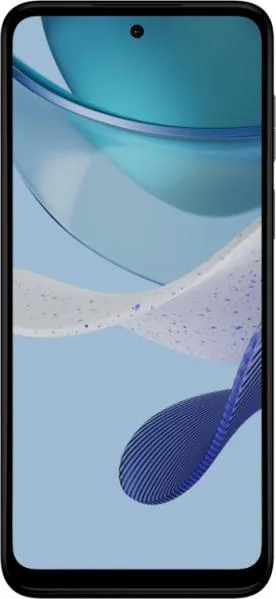
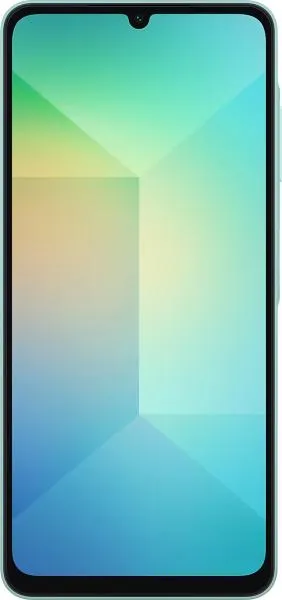
1. Specifications Comparison
| Feature | Motorola Moto G (2023) | Samsung Galaxy A06 | Practical Impact |
|---|---|---|---|
| Design | |||
| Dimensions (mm) | 164 x 75 x 8.4 | 167.3 x 77.3 x 8 | Galaxy A06 is slightly larger and may feel less comfortable in smaller hands. |
| Weight (g) | 189 | 189 | Identical weight. |
| Build Materials | Missing | Missing | Cannot compare build quality and durability. |
| Display | |||
| Size (inches) | 6.5 | 6.7 | A06 offers a slightly larger screen for more immersive media consumption. |
| Resolution (px) | 720 x 1600 | 720 x 1600 | Identical resolution, resulting in similar sharpness. |
| Display Type | IPS LCD, 120Hz | PLS LCD | Moto G (2023)'s 120Hz refresh rate will provide smoother scrolling and animations compared to the A06's standard 60Hz (assumed). |
| PPI | 270 | 262 | Negligible difference in pixel density; both will appear similarly sharp. |
| Performance | |||
| Chipset | Snapdragon 480+ 5G | MediaTek Helio G85 | Snapdragon 480+ generally offers better performance and 5G connectivity. |
| CPU | Octa-core (2x2.2 GHz & 6x1.8 GHz) | Octa-core (2x2.0 GHz & 6x1.8 GHz) | Moto G (2023) has a slightly faster CPU, potentially resulting in quicker app loading. |
| GPU | Adreno 619 | Mali-G52 MC2 | Adreno 619 generally provides a smoother gaming experience. |
| RAM | 4GB | 4/6GB (variant dependent) | A06 offers a 6GB RAM option, enabling better multitasking. |
| OS | Android 13 | Android 14 | A06 ships with a newer Android version, offering potential feature and security advantages. |
| Camera | |||
| Rear Camera | 48MP Main + 2MP Macro | 50MP Main + 2MP Depth | A06 has a slightly higher resolution main sensor. Practical image quality differences depend on sensor quality and software processing, which cannot be determined from the provided data. |
| Front Camera | 8MP | 8MP | Identical front camera resolution. |
| Video Recording | 1080p@30fps | 1080p@30/60fps | A06 can record at 60fps, resulting in smoother video footage. |
| Battery | |||
| Capacity (mAh) | 5000 | 5000 | Identical battery capacity. Actual battery life depends on usage and optimization. |
| Charging Speed | Not specified | Not specified | Cannot compare charging speeds. |
2. Key Differences Analysis
Motorola Moto G (2023) Advantages:
- 5G Connectivity: Enables faster download and streaming speeds in areas with 5G coverage.
- Smoother Display: 120Hz refresh rate provides a noticeable improvement in scrolling and animations.
- Generally Better Performance: Snapdragon 480+ outperforms Helio G85 in most benchmarks.
Samsung Galaxy A06 Advantages:
- Newer Android Version: Comes with Android 14, potentially providing longer software support and newer features.
- Larger Display: Offers a slightly larger screen for a more immersive experience.
- 60fps Video Recording: Enables smoother video capture.
- Potentially Lower Price: Listed as "low price" compared to Moto G (2023)'s "medium price".
- Higher Resolution Main Camera: 50MP vs 48MP, although real-world difference depends on factors beyond resolution.
3. User Profiles & Recommendations
Moto G (2023): Users who prioritize performance, a smooth display, and 5G connectivity. Ideal for mobile gaming, streaming, and future-proofing.
Samsung Galaxy A06: Budget-conscious users who prioritize a large screen and newer software. Suitable for casual use, social media, and content consumption.
4. Decision Framework
Key Questions:
- Is 5G connectivity important? If yes, the Moto G (2023) is the clear choice.
- What is your budget? The Galaxy A06 is likely more affordable.
- What are your primary use cases? Gaming and demanding tasks favor the Moto G (2023); casual use favors the A06.
My Choice: Motorola Moto G (2023)
While the Samsung Galaxy A06 offers a larger display and newer Android version, the Motorola Moto G (2023)'s superior performance, smoother 120Hz display, and 5G connectivity are more compelling for my needs. I prioritize a fluid user experience and future-proofing, making the Moto G (2023) a better long-term investment, even if it comes at a slightly higher price. The performance difference between the Snapdragon 480+ and Helio G85 is significant enough to impact daily usage, especially for tasks beyond basic web browsing and social media. Also, having 5G future-proofs the device for the coming years.
