1. Specifications Comparison
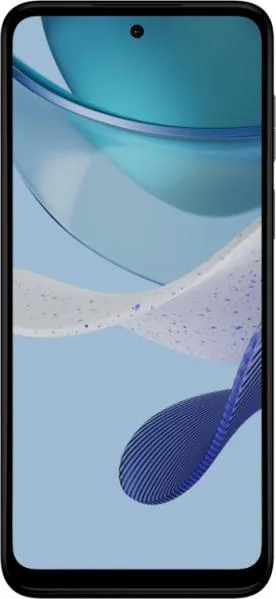
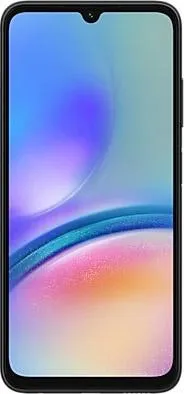
| Feature | Motorola Moto G (2023) | Samsung Galaxy A05s | Practical Impact |
|---|---|---|---|
| Design | |||
| Dimensions (mm) | 164 x 75 x 8.4 | 168 x 77.8 x 8.8 | A05s is slightly larger and thicker. |
| Weight (g) | 189 | 194 | Negligible weight difference in real-world use. |
| Build Material | Not specified | Not specified | Cannot compare build quality without material information. |
| Display | |||
| Display Size (inches) | 6.5 | 6.7 | A05s offers a slightly larger screen for media consumption. |
| Resolution | 720 x 1600 | 1080 x 2400 | A05s has a significantly sharper and more detailed display. |
| Refresh Rate (Hz) | 120 | 90 | Moto G 2023 provides smoother scrolling and animations, but higher power consumption. |
| Display Type | IPS LCD | PLS LCD | Both are LCD panels; PLS LCD generally offers slightly better color reproduction and viewing angles than IPS. |
| Performance | |||
| Chipset | Snapdragon 480+ 5G | Snapdragon 680 4G | Moto G 2023 has 5G connectivity, while A05s offers a slightly more powerful CPU but only 4G. |
| CPU | Octa-core (2x2.2 GHz & 6x1.8 GHz) | Octa-core (4x2.4 GHz & 4x1.9 GHz) | A05s likely has better multi-core performance for demanding tasks. |
| GPU | Adreno 619 | Adreno 610 | Moto G 2023 might have slightly better gaming performance due to faster clock speeds, but differences will likely be minor. |
| RAM (GB) | 4 | 4/6 (depending on version) | A05s offers a 6GB RAM option for better multitasking. |
| Camera | |||
| Rear Cameras | 48MP Main, 2MP Macro | 50MP Main, 2MP Portrait, 2MP Macro | A05s has a dedicated depth sensor for portrait mode. Resolution differences in the main camera might not be noticeable in real-world usage. |
| Front Camera | 8MP | 13MP | A05s likely produces better selfie photos with higher resolution. |
| Video Recording | 1080p@30fps | 1080p@30/60fps | A05s can record smoother videos at 60fps. |
| Battery | |||
| Capacity (mAh) | 5000 | 5000 | Similar battery capacity, but actual battery life depends on usage and optimization. |
| Other | |||
| NFC | No | Yes | A05s supports contactless payments and data transfer via NFC. |
| Operating System | Android 13 | Android 13 | Both run on the latest Android version. Future OS updates are not guaranteed for either device. |
2. Key Differences Analysis
Motorola Moto G (2023) Advantages:
- 5G Connectivity: Enables faster download speeds and lower latency where 5G networks are available.
- 120Hz Refresh Rate: Smoother scrolling and animations, enhancing the overall user experience.
Samsung Galaxy A05s Advantages:
- Sharper Display: Higher resolution (1080p) for clearer visuals and better media consumption.
- More Powerful CPU: Potentially better performance for demanding tasks and multitasking.
- NFC: Supports contactless payments and data transfer.
- Higher Resolution Selfie Camera: Better quality for video calls and self-portraits.
- 60fps Video Recording: Smoother and more professional-looking videos.
Trade-offs:
- Moto G (2023): 5G connectivity comes at the cost of a less powerful processor compared to the A05s. The lower resolution display is also a noticeable compromise.
- A05s: Lack of 5G might be a significant drawback for users in areas with 5G coverage. The 90Hz refresh rate might feel less smooth compared to the Moto G's 120Hz.
3. User Profiles & Recommendations
Motorola Moto G (2023): Budget-conscious users who prioritize 5G connectivity and smooth display over raw performance and camera quality. Best for web browsing, social media, and casual gaming in areas with good 5G coverage.
Samsung Galaxy A05s: Users who prioritize display quality, overall performance, and camera features. Suitable for multimedia consumption, photography, and moderate multitasking. Ideal for users who don't need 5G or are in areas with limited 5G availability.
4. Decision Framework
Key Questions for Buyers:
- Is 5G essential? If yes, the Moto G (2023) is the only option.
- Which is more important: display quality or refresh rate? A05s offers a sharper display, while Moto G 2023 has a smoother refresh rate.
- What is your budget and RAM requirement? The A05s offers a 6GB RAM variant for better performance, but at a higher price.
My Choice: Samsung Galaxy A05s
While 5G is appealing, the superior display, slightly better performance, NFC functionality, and improved camera of the Samsung Galaxy A05s make it a more well-rounded device for my needs. I prioritize a sharp screen for media consumption and a versatile camera for everyday photography. The lack of 5G is less of a concern for me personally, as widespread 5G adoption in my area is still developing. The potential for 6GB RAM is also a significant advantage for future-proofing the device. While the Moto G 2023 offers a smoother refresh rate, the noticeable difference in resolution would likely impact my daily usage more significantly.
