
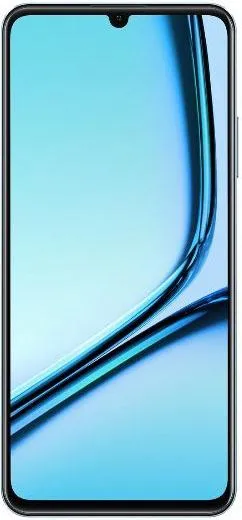
1. Specifications Comparison
| Feature | Motorola Moto G (2023) | Realme Note 50 | Practical Impact |
|---|---|---|---|
| Design | |||
| Dimensions (mm) | 164 x 75 x 8.4 | 167.2 x 76.7 x 8 | Realme Note 50 is slightly larger and taller. |
| Weight (g) | 189 | 186 | Negligible weight difference. |
| Build Material | Not specified | Not specified | Cannot compare build quality and durability. |
| Display | |||
| Size (inches) | 6.5 | 6.74 | Realme Note 50 offers a slightly larger screen for media consumption. |
| Resolution (pixels) | 720 x 1600 | 720 x 1600 | Same resolution, but Realme's larger screen results in lower pixel density (260 ppi vs 270 ppi), potentially making images less sharp. |
| Refresh Rate (Hz) | 120 | 90 | Moto G (2023) offers smoother scrolling and animations with its higher refresh rate. |
| Display Type | IPS LCD | IPS LCD | Both use IPS LCD technology, offering decent color reproduction and viewing angles but lacking the deep blacks of OLED. |
| Performance | |||
| Chipset | Snapdragon 480+ 5G | Unisoc Tiger T612 | Snapdragon 480+ generally offers better performance and power efficiency than the Unisoc Tiger T612. |
| CPU | Octa-core (2x2.2 GHz & 6x1.8 GHz) | Octa-core (2x1.8 GHz & 6x1.8 GHz) | Moto G (2023) has faster prime cores for demanding tasks. |
| GPU | Adreno 619 | Mali-G57 | Adreno 619 typically provides better gaming performance than Mali-G57. |
| RAM (GB) | 4 | 4 | Same RAM capacity for multitasking. |
| Camera | |||
| Main Camera (MP) | 48 | 13 | Moto G (2023) has significantly higher resolution, likely resulting in more detailed photos. |
| Front Camera (MP) | 8 | 5 | Moto G (2023) has a higher resolution front camera for better selfies. |
| Video Recording | 1080p@30fps | 1080p@30fps | Both offer basic video recording capabilities. |
| Battery | |||
| Capacity (mAh) | 5000 | 5000 | Same battery capacity. Real-world battery life will depend on usage and optimization. |
| Other | |||
| OS | Android 13 | Android 13 | Both run on the latest Android version. |
| NFC | No | No | Neither phone supports contactless payments. |
| 5G | Yes | No | Moto G (2023) offers 5G connectivity for faster data speeds where available. |
| Price Range | Medium | Low | Realme Note 50 is more budget-friendly. |
2. Key Differences Analysis
Motorola Moto G (2023) Advantages:
- Superior Performance: The Snapdragon 480+ and Adreno 619 provide smoother performance for everyday tasks and gaming.
- Higher Refresh Rate Display: 120Hz offers a noticeably smoother user experience.
- Better Camera System: Significantly higher resolution main and selfie cameras.
- 5G Connectivity: Future-proofs the device with access to faster mobile data.
Realme Note 50 Advantages:
- Lower Price: More budget-friendly option.
- Slightly Larger Display: Provides more screen real estate for media consumption.
3. User Profiles & Recommendations
Motorola Moto G (2023): Users who prioritize performance, a smooth display, a good camera, and future-proof 5G connectivity, even at a slightly higher price. Suitable for:
- Moderate to heavy smartphone users.
- Mobile gamers.
- Users who consume media frequently.
Realme Note 50: Budget-conscious users who prioritize a large screen and basic functionality. Suitable for:
- Light smartphone users primarily focused on communication and browsing.
- Users seeking a large screen for video watching on a budget.
4. Decision Framework
Key Questions for Buyers:
- What is your budget? The Realme Note 50 is significantly cheaper.
- How important is performance and a smooth display? The Moto G (2023) significantly outperforms the Realme Note 50 in these areas.
- Do you need 5G connectivity? This is only offered by the Moto G (2023).
Scenario-Based Recommendations:
- Tight Budget: Realme Note 50.
- Balanced Needs: Motorola Moto G (2023).
- Performance Focused: Motorola Moto G (2023).
My Choice: Motorola Moto G (2023)
While the Realme Note 50 offers a larger display at a lower price, the Motorola Moto G (2023) provides a significantly better overall user experience due to its superior processor, smoother 120Hz display, better camera system, and 5G connectivity. The performance difference between the Snapdragon 480+ and the Unisoc Tiger T612 is substantial and will be noticeable in daily use. The higher refresh rate screen also contributes significantly to a more fluid and responsive experience. The price difference is justifiable for the long-term value and better overall usability the Moto G (2023) provides.
