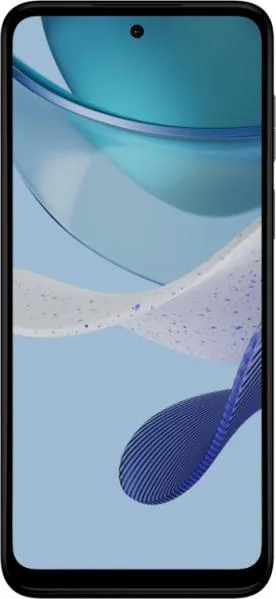
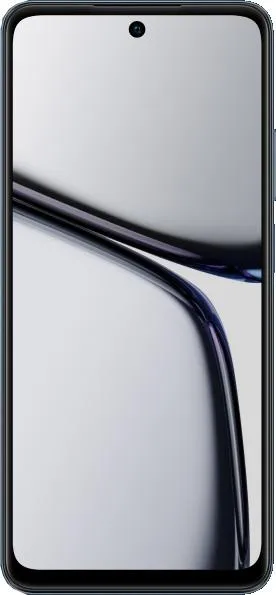
1. Specifications Comparison
| Feature | Motorola Moto G (2023) | Realme C65 | Practical Impact |
|---|---|---|---|
| Design | |||
| Dimensions (mm) | 164 x 75 x 8.4 | 164.6 x 76.1 x 7.6 | Realme C65 is slightly larger but thinner. Negligible difference in daily use. |
| Weight (g) | 189 | 185 | Virtually identical weight. |
| Build Material | Not specified | Not specified | Cannot compare build quality and durability without this information. |
| Display | |||
| Size (inches) | 6.5 | 6.67 | Realme C65 offers a marginally larger screen. |
| Resolution (px) | 720 x 1600 | 720 x 1604 | Nearly identical resolution; both are HD+ and will appear similarly sharp. |
| Refresh Rate (Hz) | 120 | 90 | Moto G (2023)'s 120Hz display will feel smoother for scrolling and animations. |
| Display Type | IPS LCD | IPS LCD | Both use IPS LCD technology, offering good color reproduction and viewing angles. |
| Performance | |||
| Chipset | Snapdragon 480+ 5G | MediaTek Helio G85 | Snapdragon 480+ generally offers better power efficiency and slightly improved CPU performance, but Helio G85 might have a slight edge in GPU tasks. |
| CPU | Octa-core (2x2.2 GHz & 6x1.8 GHz) | Octa-core (2x2.0 GHz & 6x1.8 GHz) | Comparable CPU performance; differences will be minor in most applications. |
| RAM (GB) | 4 | 8 | Realme C65's 8GB RAM allows for smoother multitasking and better handling of demanding apps. |
| GPU | Adreno 619 | Mali-G52 MC2 | Mali-G52 might offer slightly better gaming performance. Adreno 619 generally has better driver support. |
| Camera | |||
| Main Camera (MP) | 48 | 50 | Realme C65 has a higher megapixel count, but image quality depends on factors beyond resolution. |
| Front Camera (MP) | 8 | 8 | Identical front camera resolution. |
| Camera Features | Digital Zoom, Dual Camera | Digital Zoom, Dual Camera | Feature sets are similar, however Realme C65 offers 120 fps slow-motion video recording which is missing in Moto G. |
| Battery | |||
| Capacity (mAh) | 5000 | 5000 | Identical battery capacity. Real-world battery life depends on usage and optimization. |
| Charging Speed | Not specified | Not specified | Cannot compare charging speeds without this information. |
| Other | |||
| NFC | No | Yes | Realme C65 supports NFC for contactless payments and other functionalities. |
| OS | Android 13 | Android 14 | Realme C65 ships with a newer Android version, potentially offering more features and longer software support. |
2. Key Differences Analysis
Motorola Moto G (2023) Advantages:
- 120Hz Refresh Rate: Smoother display experience.
- Potentially Better Power Efficiency: Due to the Snapdragon 480+ chip.
Realme C65 Advantages:
- Larger RAM: Better multitasking and performance with demanding applications.
- NFC: Enables contactless payments and data transfer.
- Newer Android Version: Likely to receive longer software updates and potentially has newer features.
- Slightly Better GPU: Mali-G52 might provide a slight advantage in gaming scenarios.
- Slow Motion Video: Offers 120fps slow-motion video recording.
3. User Profiles & Recommendations
Motorola Moto G (2023): Suitable for users prioritizing a smooth display experience and basic smartphone functionality on a budget. Best for casual users who primarily use their phone for web browsing, social media, and light tasks.
Realme C65: Ideal for users who value multitasking, mobile gaming, and NFC functionality. The larger RAM and newer Android version also make it a better choice for long-term use.
4. Decision Framework
Key Questions for Buyers:
- Is a smooth display experience a top priority? If yes, the Moto G (2023)'s 120Hz display is a strong advantage.
- Do you frequently multitask or use demanding applications? If yes, the Realme C65's 8GB RAM will provide a better experience.
- Is NFC essential for your usage? If yes, the Realme C65 is the only option.
My Choice: Realme C65
While the Moto G (2023)'s 120Hz display is appealing, the Realme C65 offers a more well-rounded package for my needs. The 8GB RAM is crucial for smooth multitasking, and NFC is essential for contactless payments. The newer Android version promises longer software support. While specific benchmarks are missing, the Helio G85 with the Mali-G52 MC2 should provide adequate performance for everyday tasks and light gaming. The slightly larger screen is a bonus. The lack of detailed camera sensor specifications makes a definitive camera quality comparison difficult, but the presence of slow-motion video recording in Realme C65 adds value. Overall, the Realme C65 provides greater value and future-proofing.
