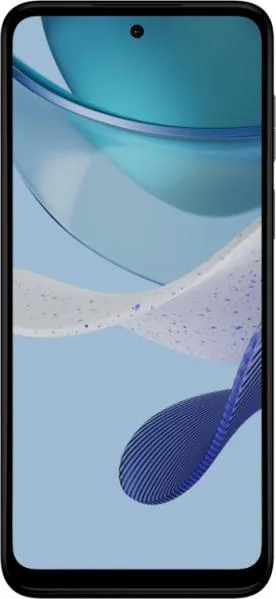
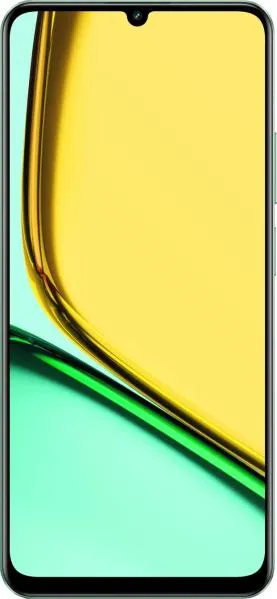
1. Specifications Comparison
| Feature | Motorola Moto G (2023) | Realme C61 | Practical Impact |
|---|---|---|---|
| Design | |||
| Dimensions (mm) | 164 x 75 x 8.4 | 167.3 x 76.7 x 7.8 | Realme C61 is slightly larger and thinner. Negligible difference in daily use. |
| Weight (g) | 189 | 188 | Virtually identical weight. |
| Display | |||
| Size (inches) | 6.5 | 6.74 | Realme C61 offers a slightly larger screen for more immersive content consumption. |
| Resolution (px) | 720 x 1600 | 720 x 1600 | Identical resolution; sharpness will be similar. Realme C61 might appear slightly less sharp due to the larger screen size spreading the same number of pixels over a larger area. |
| Refresh Rate (Hz) | 120 | 90 | Moto G (2023) will provide smoother scrolling and animations, beneficial for gaming and general UI responsiveness. |
| Display Type | IPS LCD | IPS LCD | Both use IPS LCD technology, expecting similar color accuracy and viewing angles. |
| Performance | |||
| Chipset | Snapdragon 480+ 5G | Unisoc Tiger T612 | Snapdragon 480+ 5G generally offers better performance and 5G connectivity, resulting in faster app loading, smoother multitasking, and access to faster cellular networks. |
| CPU | Octa-core (2x2.2 GHz & 6x1.8 GHz) | Octa-core (2x1.8 GHz & 6x1.8 GHz) | Moto G (2023)'s higher clock speed on performance cores should provide a noticeable performance advantage in demanding tasks. |
| RAM (GB) | 4 | 6 | Realme C61's higher RAM capacity allows for better multitasking and keeping more apps open in the background without performance slowdown. |
| GPU | Adreno 619 | Mali-G57 | Adreno 619 generally offers better gaming performance compared to Mali-G57. |
| Camera | |||
| Main Camera (MP) | 48 | 32 | Moto G (2023) has a higher resolution main camera, potentially capturing more detailed photos. |
| Selfie Camera (MP) | 8 | 5 | Moto G (2023) has a higher resolution selfie camera. |
| Video Recording | 1080p@30fps | 1080p@30fps | Identical video recording capabilities. |
| Battery | |||
| Capacity (mAh) | 5000 | 5000 | Identical battery capacity; expected similar battery life, though real-world usage varies greatly. |
| Other | |||
| OS | Android 13 | Android 14 | Realme C61 comes with a newer Android version out of the box, offering potential features and security updates. |
| Price Range | Medium | Low | Realme C61 is positioned in a lower price bracket. |
2. Key Differences Analysis
Motorola Moto G (2023) Advantages:
- Performance: The Snapdragon 480+ 5G and Adreno 619 GPU provide a significant performance advantage, especially noticeable in gaming and demanding applications.
- 5G Connectivity: Offers faster download and upload speeds, improved network latency, and future-proofing.
- Higher Resolution Main Camera: Potentially better image quality in various lighting conditions.
- Smoother Display: 120Hz refresh rate results in a more fluid user experience.
Realme C61 Advantages:
- Lower Price: Offers a more budget-friendly option.
- Larger Display: Provides a slightly more immersive viewing experience.
- Higher RAM: Better multitasking capabilities, especially beneficial for users who frequently switch between apps.
- Newer Android Version: Access to newer features and longer software support (though updates are not guaranteed).
3. User Profiles & Recommendations
Motorola Moto G (2023): Ideal for users who prioritize performance, smooth display, 5G connectivity, and a decent camera. Suitable for gaming, multitasking, and content consumption.
Realme C61: Best suited for budget-conscious users who primarily use their phones for basic tasks like calling, texting, browsing, and social media. The larger screen is a plus for media consumption.
4. Decision Framework
Key Questions for Buyers:
- What is your budget? The Realme C61 is significantly cheaper.
- What are your performance needs? For gaming or demanding apps, the Moto G (2023) is a clear winner.
- How important is 5G connectivity? If 5G is a must-have, the Moto G (2023) is the only option.
Scenario-Based Recommendations:
- Tight Budget, Basic Usage: Realme C61
- Moderate Budget, Performance Focused: Motorola Moto G (2023)
- Future-Proofing with 5G: Motorola Moto G (2023)
My Choice: Motorola Moto G (2023)
While the Realme C61 offers a compelling value proposition for its price, the Motorola Moto G (2023)'s superior performance, 5G connectivity, and smoother display are crucial factors for a better long-term user experience. The performance difference between the Snapdragon 480+ and the Unisoc Tiger T612 is significant enough to impact daily usage. Furthermore, the inclusion of 5G ensures the phone remains relevant for longer. The slightly higher price is justified by these advantages for a user who desires a responsive and future-proof device. I value performance and connectivity, making the Moto G (2023) the better choice for me.
