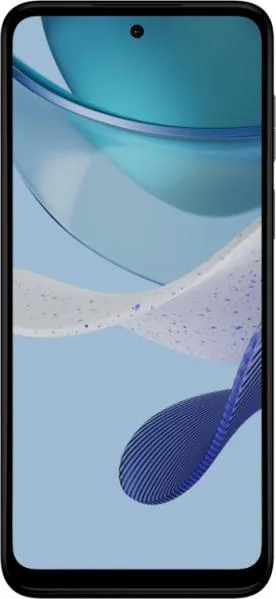
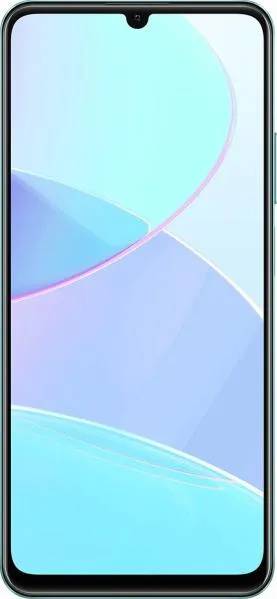
1. Specifications Comparison
| Feature | Motorola Moto G (2023) | Realme C51 | Practical Impact |
|---|---|---|---|
| Design | |||
| Dimensions (mm) | 164 x 75 x 8.4 | 167.2 x 76.7 x 8 | Realme C51 is slightly larger and taller. |
| Weight (g) | 189 | 186 | Negligible weight difference. |
| Display | |||
| Size (inches) | 6.5 | 6.74 | Realme C51 offers a larger screen for media consumption. |
| Resolution (pixels) | 720 x 1600 | 720 x 1600 | Same resolution, but Realme C51 has slightly lower pixel density due to larger screen size. |
| Refresh Rate (Hz) | 120 | 90 | Moto G (2023) provides smoother scrolling and animations. |
| Display Type | IPS LCD | IPS LCD | Both use IPS LCD technology, expecting similar color accuracy and viewing angles. |
| Performance | |||
| Chipset | Snapdragon 480+ 5G | Unisoc Tiger T612 | Snapdragon 480+ generally offers better performance and 5G connectivity. |
| CPU | Octa-core (2x2.2 GHz Kryo 460 & 6x1.8 GHz Kryo 460) | Octa-core (2x1.8 GHz Cortex-A75 & 6x1.8 GHz Cortex-A55) | Moto G (2023) likely has a performance advantage due to higher clock speeds and more powerful cores. |
| GPU | Adreno 619 | Mali-G57 | Adreno 619 generally provides better graphics performance for gaming. |
| RAM (GB) | 4 | 4 | Same RAM capacity. |
| Camera | |||
| Main Camera (MP) | 48 | 50 | Realme C51 boasts slightly higher megapixel count, but image quality depends on sensor and processing. |
| Selfie Camera (MP) | 8 | 5 | Moto G (2023) has a higher resolution front camera. |
| Battery | |||
| Capacity (mAh) | 5000 | 5000 | Same battery capacity, expected similar battery life depending on usage. |
| Other | |||
| NFC | No | Yes | Realme C51 supports contactless payments and data transfer. |
| Operating System | Android 13 | Android 13 | Both run the latest Android version. |
2. Key Differences Analysis
Motorola Moto G (2023) Advantages:
- Superior Performance: The Snapdragon 480+ 5G chipset and Adreno 619 GPU offer a noticeable performance advantage, especially for gaming and demanding tasks.
- Smoother Display: The 120Hz refresh rate provides a more fluid user experience.
- 5G Connectivity: Future-proofs the device with faster data speeds.
Realme C51 Advantages:
- Larger Display: Provides more immersive experience for media consumption.
- NFC Support: Enables contactless payments and other NFC functionalities.
- Slightly Lower Price: Based on the provided limited pricing data.
3. User Profiles & Recommendations
Motorola Moto G (2023): Suitable for users who prioritize performance, smooth display, and future-proof 5G connectivity. Ideal for gaming, multitasking, and those who want a phone that feels responsive.
Realme C51: Best suited for budget-conscious users who prioritize a large display for media consumption and require NFC functionality for contactless payments. Suitable for casual users and those who primarily use their phone for browsing, social media, and watching videos.
4. Decision Framework
Key Questions for Buyers:
- Is 5G connectivity important to you? If yes, the Moto G (2023) is the only option.
- Do you prioritize performance or display size? Moto G (2023) for performance, Realme C51 for larger screen.
- Is NFC a must-have feature? If yes, the Realme C51 is the better choice.
My Choice: Motorola Moto G (2023)
While the Realme C51 offers a larger display and NFC, I would choose the Motorola Moto G (2023) due to its superior performance and 5G connectivity. The Snapdragon 480+ provides a significantly better user experience for demanding tasks and gaming. The 120Hz refresh rate also contributes to a smoother and more responsive feel. While I value NFC, the performance difference and future-proofing of 5G outweigh the benefits of NFC and the slightly larger screen in the Realme C51 for my personal use. I prioritize a fluid and responsive phone experience, and the Moto G (2023) delivers on that front.
