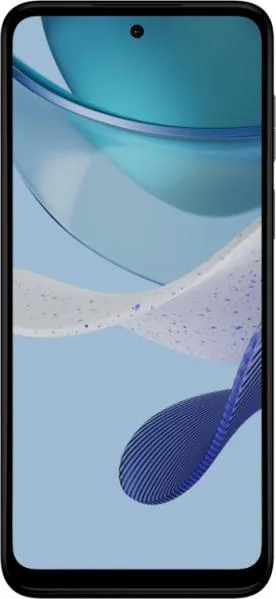
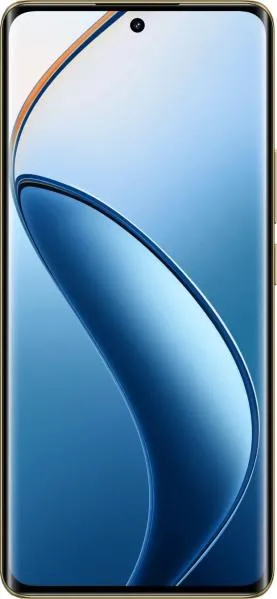
1. Specifications Comparison
| Feature | Motorola Moto G (2023) | Realme 12 Pro | Practical Impact |
|---|---|---|---|
| Design | |||
| Dimensions (mm) | 164 x 75 x 8.4 | 161.5 x 74 x 8.8 | Realme 12 Pro is slightly smaller and thinner. Negligible difference in daily use. |
| Weight (g) | 189 | 190 | Virtually identical weight. |
| Build Materials | Not specified | Not specified | Cannot compare build quality and durability. |
| Display | |||
| Display Type | IPS LCD, 120Hz | AMOLED, 1B colors, 120Hz | Realme 12 Pro offers significantly better contrast, deeper blacks, and more vibrant colors due to AMOLED technology. |
| Display Size | 6.5" | 6.7" | Realme 12 Pro has a slightly larger screen, providing more immersive content consumption. |
| Resolution | 720 x 1600 (270 ppi) | 1080 x 2412 (394 ppi) | Realme 12 Pro has a much sharper and more detailed display. Noticeably crisper text and images. |
| Peak Brightness | Not specified | 950 nits | Realme 12 Pro should offer better outdoor visibility. Moto G's brightness is unknown. |
| Performance | |||
| Chipset | Snapdragon 480+ 5G (8 nm) | Snapdragon 6 Gen 1 (4 nm) | Realme 12 Pro has a significantly more powerful processor, resulting in smoother multitasking, faster app loading, and better gaming performance. |
| CPU | Octa-core (2x2.2 GHz Kryo 460 & 6x1.8 GHz Kryo 460) | Octa-core (4x2.2 GHz Cortex-A78 & 4x1.8 GHz Cortex-A55) | Realme 12 Pro's CPU architecture is more modern and efficient. |
| GPU | Adreno 619 | Adreno 710 | Realme 12 Pro's GPU offers significantly improved graphics performance for gaming and demanding applications. |
| RAM | 4GB | 8GB | Realme 12 Pro has double the RAM, allowing for more apps to run in the background without impacting performance. |
| Camera | |||
| Main Camera | 48MP, f/1.7 | 50MP, f/1.8, Sony IMX882 | Realme 12 Pro likely has better low-light performance and image quality due to a larger sensor and OIS. |
| Ultrawide | Not specified | 8MP, f/2.2 | Realme 12 Pro offers ultrawide photography, enabling wider field of view shots. |
| Telephoto | Not available | 32MP, f/2.0, 2x optical zoom | Realme 12 Pro offers optical zoom for better quality zoomed images. Moto G only has digital zoom. |
| Video Recording | 1080p@30fps | 4K@30fps with EIS | Realme 12 Pro supports much higher resolution video recording and features Electronic Image Stabilization (EIS) for smoother footage. |
| Battery | |||
| Capacity | 5000 mAh | 5000 mAh | Identical battery capacity. Real-world battery life will depend on software optimization and usage patterns. |
2. Key Differences Analysis
Realme 12 Pro Advantages:
- Superior Display: AMOLED with higher resolution, brightness, and color accuracy.
- Significantly Better Performance: More powerful processor, GPU, and double the RAM.
- More Versatile Camera System: Includes ultrawide and telephoto lenses, OIS, and 4K video recording.
- NFC: Supports contactless payments and data transfer.
Motorola Moto G (2023) Potential Advantages:
- Potentially Lower Price: Depending on specific market and retailer, it might be more affordable.
Trade-offs:
- The Moto G (2023) sacrifices performance, display quality, and camera features for a potentially lower price.
3. User Profiles & Recommendations
Realme 12 Pro: Users who prioritize performance, a high-quality display, a versatile camera system, and modern features like NFC. Suitable for:
- Mobile gamers
- Photography enthusiasts
- Content consumers (video streaming, social media)
- Users who demand smooth multitasking
Motorola Moto G (2023): Budget-conscious users who primarily use their phone for basic tasks like calling, texting, browsing, and light social media. Suitable for:
- Users on a tight budget
- Individuals seeking a simple, functional smartphone
- Secondary phone for specific purposes
4. Decision Framework
Key Questions for Buyers:
- What is your budget? The Realme 12 Pro is likely more expensive.
- What are your primary smartphone uses? Gaming, photography, and demanding tasks require the Realme 12 Pro's performance.
- How important is display quality? The Realme 12 Pro's AMOLED screen offers a superior visual experience.
My Choice: Realme 12 Pro
Reasoning: The Realme 12 Pro offers a significantly better overall package despite the likely higher price. The superior display, performance, camera system, and inclusion of NFC make it a more future-proof and enjoyable device to use. While the Moto G (2023) might be sufficient for basic tasks, the Realme 12 Pro's advantages in key areas outweigh the price difference for most users. The performance gap alone would significantly impact daily usage and long-term satisfaction. The improved camera system and display are also crucial for a satisfying smartphone experience in 2024.
